


Chickens, How To, Info Guides
Why Won’t My Chickens Sleep in Their Coop at Night?
Mar
 ChatGPT
 Claude
 Perplexity
 Grok
Grok
 Google AI
 You
You
 WhatsApp
 LinkedIn
Answering the question “why won’t my chickens sleep in their coop?” can be baffling. But fear not! In this comprehensive guide, we delve into common reasons your feathered friends might prefer the backyard over their designated quarters.
From coop location importance to addressing health concerns, we’ve got you covered. Why won’t my chickens sleep in their coop? Let’s find out together.
Key Takeaways
- Keep the coop clean, roomy, and thoughtfully set up, with plenty of roosting space and easy-to-use ramps so your chickens aren’t crowded or stressed.
- Make sure your flock is safe from predators and pests by securing the coop against snakes and rodents, and regularly treating for red mites, which can make chickens avoid the coop altogether.
- Pay attention to flock behaviour by managing bullying from dominant hens and giving broody hens a quiet, safe space so they can comfortably return to nesting.
- Improve how the coop functions by including automatic doors and choosing a spot that offers a good balance of sunlight, shade, and protection.
- Build a consistent routine by using food as a reward to train your chickens to head back to the coop each evening and feel comfortable in their surroundings
Why Won’t My Chickens Sleep in Their Coop?
Are your chickens not heading back into their coop when the sun sets? Do they prefer to sleep in your backyard? There are some common reasons why this may be happening:
- An overcrowded coop with no available roosting poles.
- It’s a new coop your flock is unsure of.
- Predators such as snakes, foxes, rats or mice.
- Red mites.
- Older or more dominant chickens are bullying those lower on the pecking order.
- The coop is dirty.
- One chicken is injured and has trouble using ramps or steps to enter the coop.
- The automatic coop door closes too early and latecomers are denied access.
- A broody hen has made her nest outside of the coop.
The Importance of Proper Coop Location
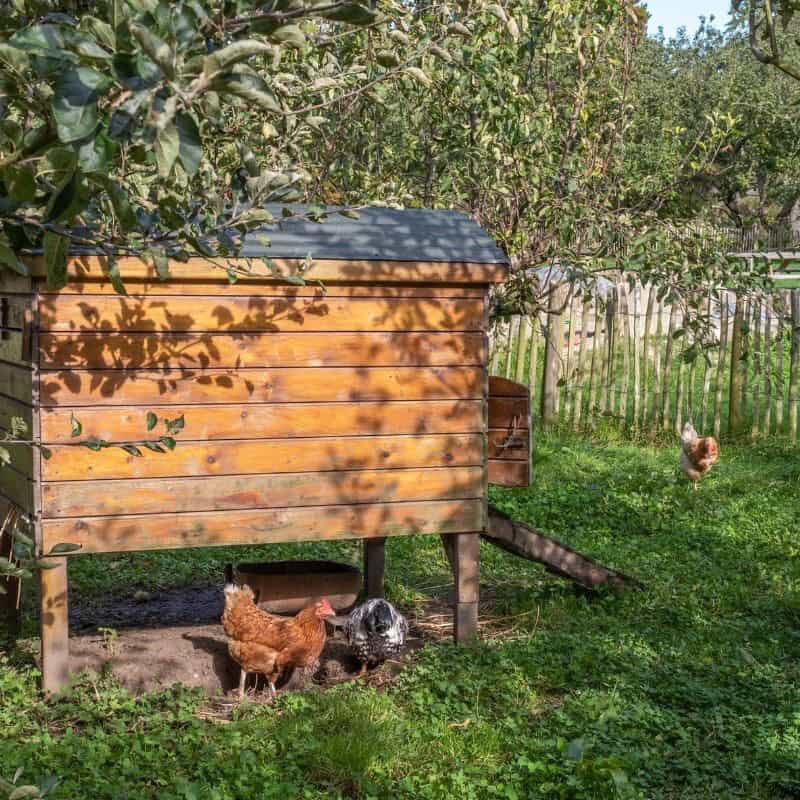
The spot you choose to place the coop can determine whether your chickens want to use it.
Temperature
Chickens enjoy lounging in the sun but they’re not fans of baking in it all day. A location that offers both light supply and shade will let them bask or cool off as they please.
Distance
Accessibility is key. Place the coop too far from where your chickens hang out during the day and watch them protest by refusing to trek back at night.
Keep it close to their daily wander zones and voila – happier chooks who know where their bed is.
Safety Concerns
Your chickens may avoid the coop if it is located near something they are afraid of. For example, if it’s located right next to a dog pen where your pup is barking at them constantly.
Once you work out what is frightening them, you can either relocate the perceived threat or move the coop to a different section of your yard.
The Role of Coop Design
Making sure you have a suitable coop will help ensure your chickens want to sleep there each night.
Space
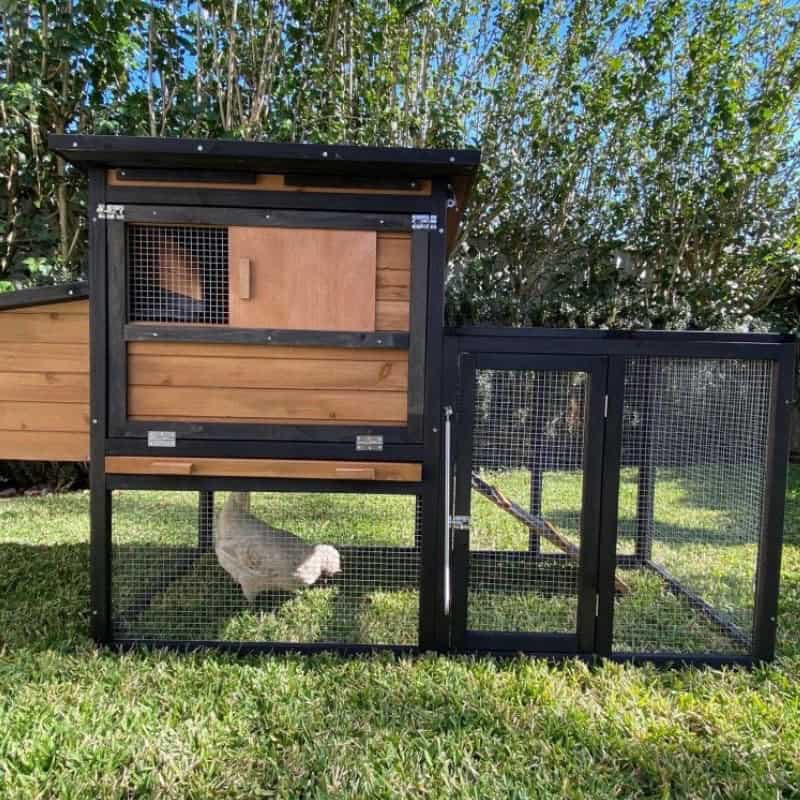
Chickens aren’t fans of cramped spaces or dark corners. They need room to stretch their wings – literally. A well-designed chicken coop offers ample space, proper ventilation, and plenty of natural light.
Predator Resistant
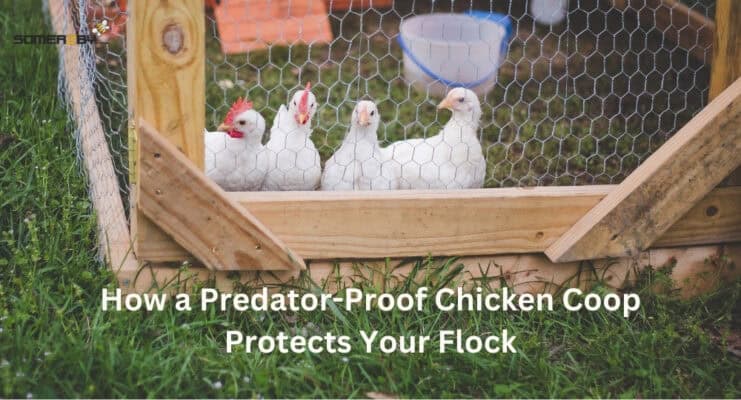
Unwanted guests can be highly stressful for chickens. Keep your flock secure by ensuring your coop will keep out both larger and smaller predators hens fear.
Prevent animals from getting in by having heavy duty steel weld mesh on the sides and fill in any small openings.
A motion sensitive light installed just outside the coop will keep away night time visitors and anti-tunnel skirts lie flat to stop anything digging its way in.
A Place To Nest and Rest
Nesting boxes are a quiet space where hens can lay eggs. Ensure your coop offers at least one nesting box for every 3 laying hens, with soft bedding on the base.
Also ensure your coop has enough roosting spots so each hen has a place to sleep securely at night above ground level—mimicking their natural instincts to find safety from ground predators by sleeping up high.
Weather Protection
Ensure your chickens feel safe in any weather. Your chickens’ coop should have a fully covered roof to protect them from rain and excessive heat. It should also feature enclosed areas to escape from the wind and cold weather overnight.
Identifying and Addressing Health Issues
Are your chickens suddenly avoiding their coop? You might be dealing with an unexpected health issue. Let’s dive in and figure out what’s going on.
Injury
If older birds have injured themselves, they may be physically struggling to access your coop. This is especially common for coops that require your chicken to use steps, ramps or a ladder to enter.
If you suspect this may be the case, monitor your birds closely for any signs of pain or injury. This may include limping, trouble flapping her wings, or being less active than usual.
If you find an issue, you will need to contact your local vet for treatment. You may also need to make adjustments to the coop to make access easier.
Red Mites
If your flock suddenly decides to avoid the coop, consider that you may have mites. These tiny critters can make life miserable for chickens, leading them to seek refuge elsewhere.
Regularly inspect both your birds and their living quarters for these pests. If you do have mites, you will need to replace all bedding and then apply a mite treatment to both the chickens and their coop.
Training Your Chicken to Sleep in Their Coop
If your chickens stopped sleeping in their coop, a little training can go a long way. With a bit of patience and the right strategy, you’ll have them marching into their bedtime boudoir without a fuss.
The Importance of Routine
Much like us, chickens thrive on consistency. Let them out of their coop at the same time every morning and round them up to go back inside at the same time each afternoon.
It is best to put them to bed at sunset. If you do this each day, eventually they will learn to put themselves away when they see the sun going down.
Food as an Incentive
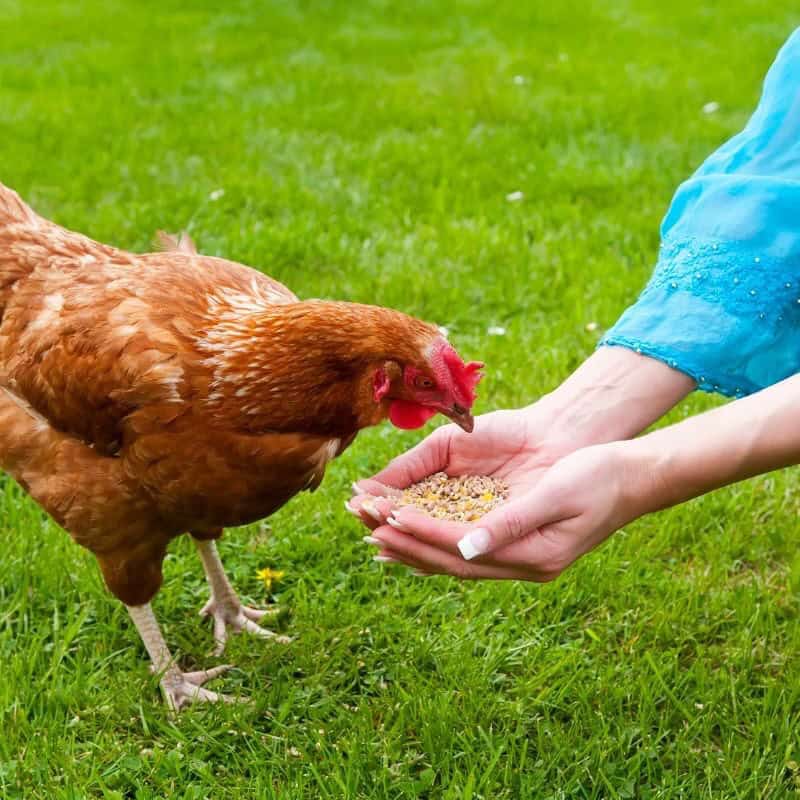
As the sun begins to set, lure your flock back into their coop using their favourite food. I find tinned corn works wonders with my flock at home! Like training a puppy, this shows your hens that if they go into their coop at bedtime, they will be rewarded with food.
As time goes on, offer fewer and fewer treats until they eventually go in on their own. Start this training from a young age for maximum impact.
FAQ
How to clean and maintain a chicken coop?
Regular cleaning of a chicken coop is essential to keep your chickens healthy and comfortable. Begin by removing all bedding and cleaning surfaces with a pet-safe disinfectant. Ensure feeder and waterer are also cleaned and free of debris. Once dried, replace with fresh bedding such as straw or pine shavings. Regularly check for any signs of pests like red mites and address promptly.
What specific health issues should I look for in my chickens?
Chickens can exhibit several health issues, including respiratory problems, parasites, and egg binding. Common signs to watch for are coughing, sneezing, lethargy, and a decrease in egg production. Additionally, check for external parasites like lice or mites, which can cause irritation and feather loss. If you suspect your chickens are unwell, consulting a veterinarian experienced with poultry is advisable.
How can I improve my chicken coop design for better comfort?
Improving a chicken coop design involves ensuring adequate space, ventilation, and accessibility. Each chicken should have at least two to three square feet of space inside the coop. Good ventilation prevents respiratory issues and maintains air quality. Provide roosts and nesting boxes at varying heights, which caters to your chickens’ natural instincts and adds comfort.
What should be included in a chicken coop design?
An effective chicken coop design should include roosting bars, nesting boxes, and sufficient ventilation. Ensure there is enough space for the flock’s size to prevent overcrowding. The coop should be predator-proof, featuring sturdy materials like steel weld mesh and secure locks. Weather protection, including a solid roof and appropriate drainage, is also vital to shield chickens from harsh elements.
What materials are best for building a predator-proof coop?
When constructing a predator-proof coop, use heavy-duty materials such as galvanised steel and hardware cloth. These materials are resistant to attempts by predators to chew or dig through. Steel weld mesh is recommended for windows and vents, while treated timber provides a durable and robust frame. Avoid using chicken wire alone, as it’s not strong enough to fend off determined predators.
Toni’s Wrap
Why won’t my chickens sleep in their coop? In this blog, we’ve uncovered common reasons why your flock may be avoiding their coop.
Take great care of your girls by making changes to your coop’s location and design – this can help encourage your flock to use your coop again.
Avoiding the coop could also be a symptom of an underlying health issue so keep an eye out for symptoms and contact your local vet if you suspect anything is wrong.
Chicken keepers can train their birds to go into their coop at dusk, although remember chooks are notoriously stubborn! Check out the Somerzby chicken coop range for quality enclosures your flock will want to sleep in every night.
Related Blogs