


Sep
 ChatGPT
 Claude
 Perplexity
 Grok
Grok
 Google AI
 You
You
 WhatsApp
 LinkedIn
If you’re a backyard chicken keeper, you want to give your flock the best dust bath possible. This guide is for chicken owners ready to create a safe, effective and enjoyable dust bathing area. We’ll cover everything you need to know, from picking the right location and materials to setting it up, avoiding common mistakes, and keeping it clean and inviting so your chickens can stay healthy and happy.
Key Takeaways
- Chickens naturally dust bathe by scratching and rolling around in loose soil or sand.
- Dust bathing supports feather and skin health, naturally deters parasites, keeps chickens cool, and provides mental stimulation through social interaction.
- To set up a chicken dust bath, fill a container with a suitable dust bath mixture and place it in a location accessible to your flock.
- Sand and dirt are the base ingredients, with optional additives including diatomaceous earth, wood ash, herbs, peat moss or pine shavings.
- Provide multiple dust baths for larger flocks, avoid wet or compacted soil, and rake out and refresh the dust regularly.
What is a Chicken Dust Bath?
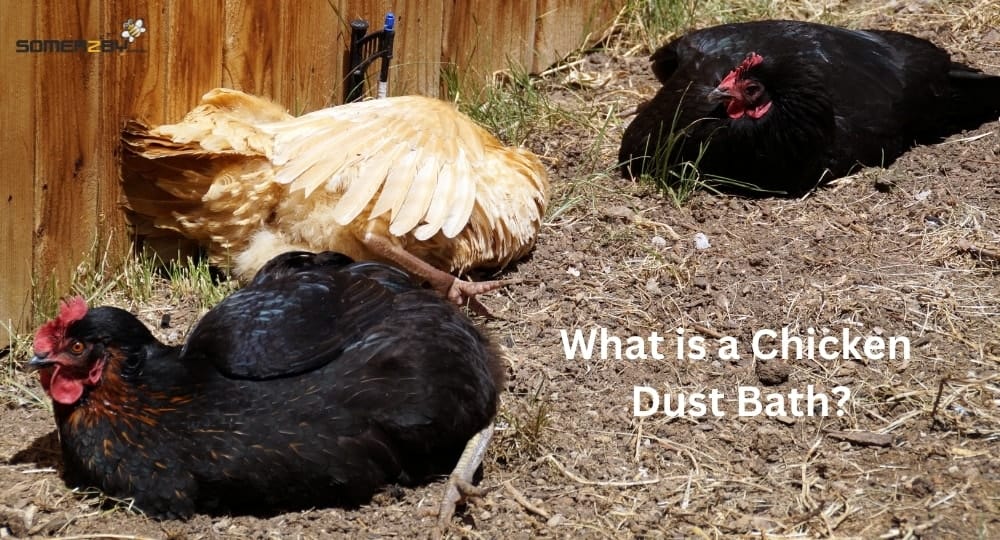
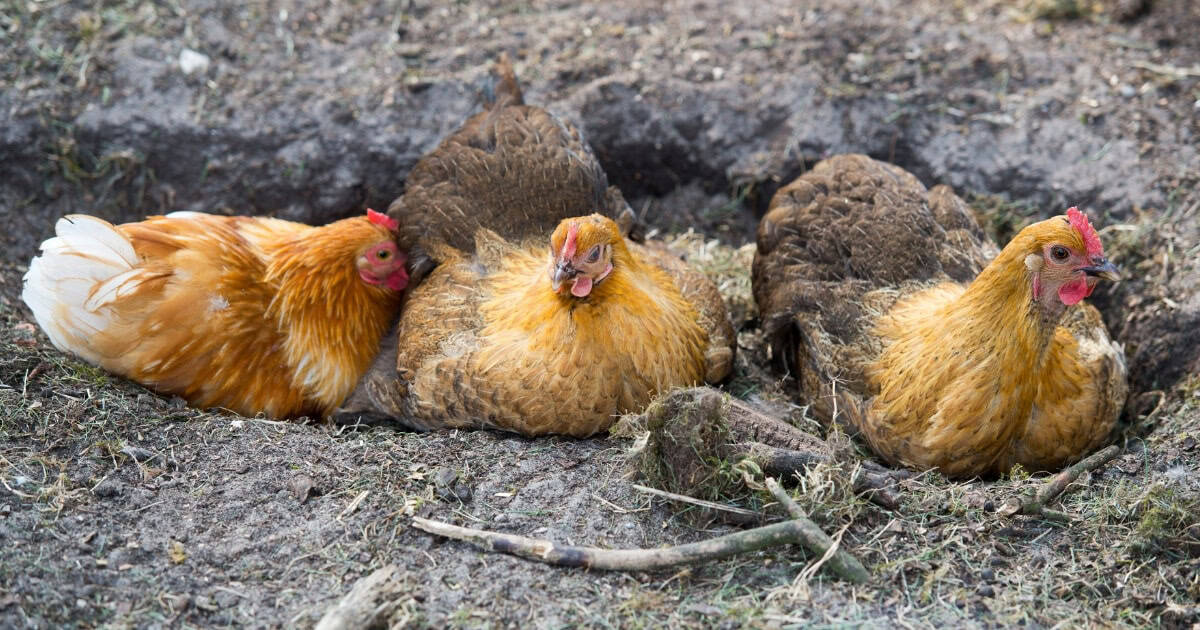
Dust bathing is a natural behaviour for all chickens. It involves chickens getting into a patch of loose dirt or sand, covering themselves and their feathers, and then shaking it off. This helps keep their feathers clean and healthy. Common dust bathing behaviours include:
- Scratching at the ground
- Flapping their wings
- Lying down and wiggling back and forth
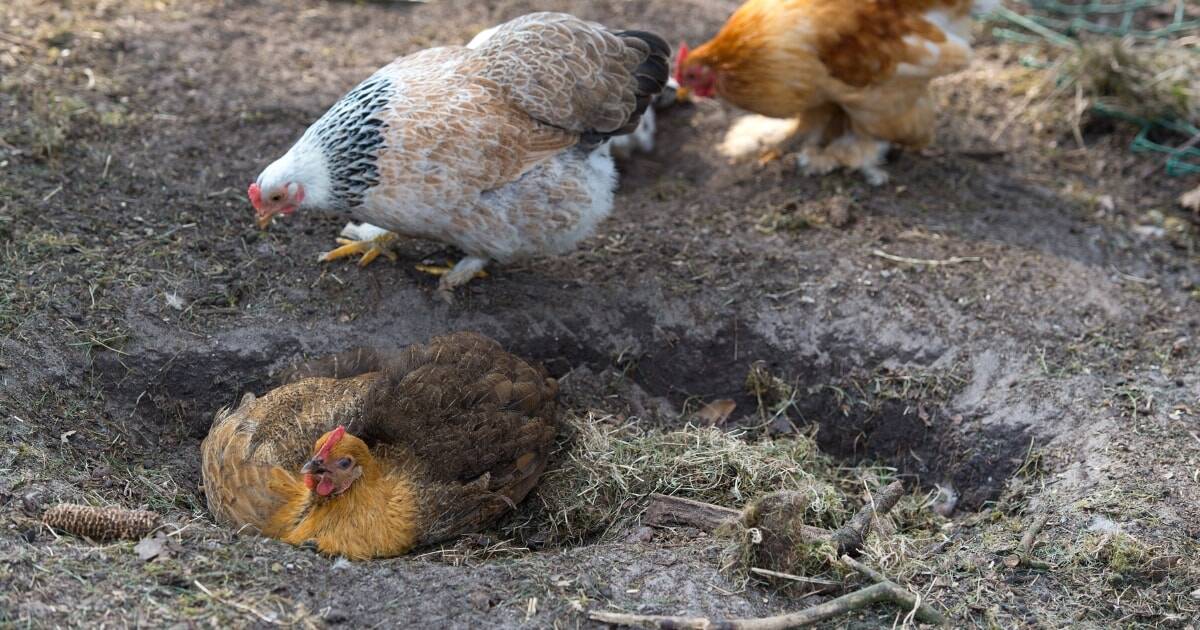
A chicken dust bath is simply a designated area where chickens bathe in dust. For backyard chickens, this could be a hole they dig themselves or a special area chicken keepers set up for them.
Many other animals also enjoy dust bathing, including quails, sparrows, turkeys, elephants, horses and pigs.
Why Do Chickens Need a Dust Bath?
Feather and Skin Health
The primary reason chickens bathe in dust is to keep their feathers and skin clean. The dust will naturally absorb moisture and oils that build up, and when your chickens shake it off, the dirt, moisture and oils are removed along with it.
Parasite Prevention
Dust bathing is one of the best natural ways to control parasites such as lice and mites. As chickens coat themselves in dust, the fine particles work down to their skin, making it difficult for pesky parasites to cling on. The dust also helps dry out and suffocate these pests, reducing their numbers and keeping your chickens healthier.
Cooling and Comfort
Dust bathing helps our chickens stay cool in hot weather. The loose soil absorbs heat and moisture from their skin, and as they shake it off, it creates a light cooling effect. The shallow pits they dig also expose cooler soil beneath the surface, offering a refreshing place to rest.
Mental Stimulation
Dust bathing is a way for backyard chickens to relieve stress and stay mentally stimulated. They often bathe together, making it a fun social activity where they can interact and bond with flock mates.
How to Make a Chicken Dust Bath (Step-by-Step)
We suggest providing your chooks with a designated dust bathing area. Otherwise, they may decide to make one themselves in your garden beds!
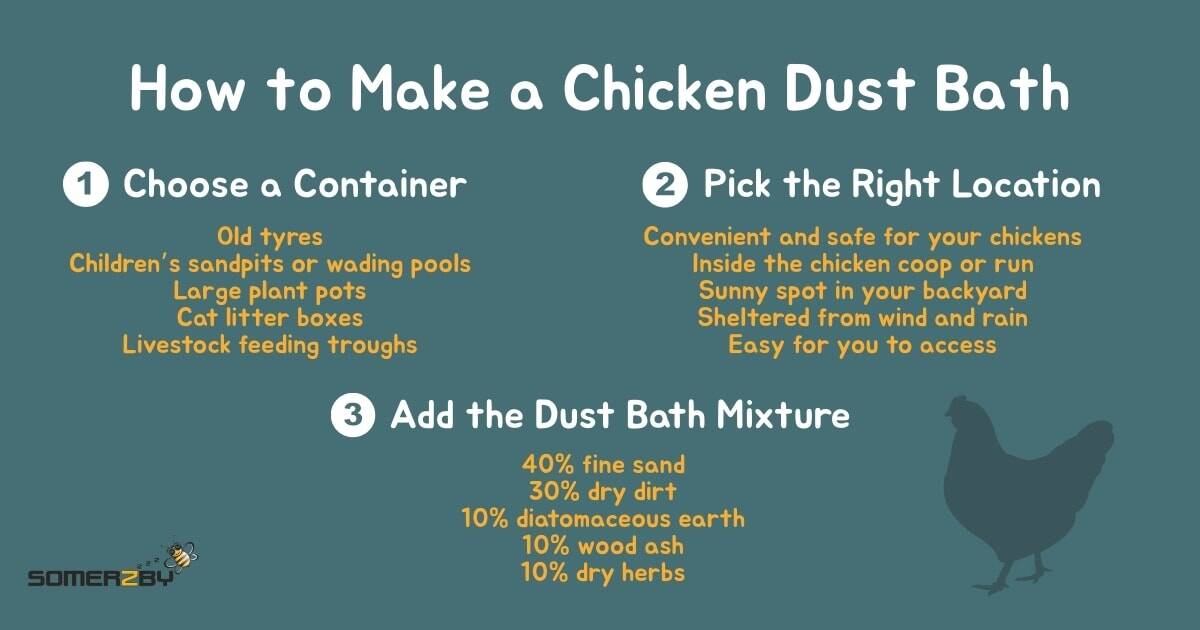
Step 1: Choose a Container
Start with a large container as the base for your dust bath. Aim for something around 75 cm wide (big enough for at least two hens) and about 20 cm deep. Suitable options include:
- Old tyres
- Children’s sandpits or wading pools
- Large plant pots
- Cat litter boxes
- Livestock feeding troughs
There’s no need to buy anything new, many of these items can be repurposed or found for free online (for example, tyre shops often give away old tyres).
You can also build a simple raised frame out of scrap wood, though keep in mind it will be harder to empty when replacing the dust.
Step 2: Pick the Right Location
Place your dust bath in a spot that’s convenient and safe for your chickens. Setting it inside the chicken coop or chicken run gives them easy access while helping protect it from wild birds or neighbourhood cats using it as a litterbox.
If your chickens free range during the day, you could choose a sunny spot in your backyard where they like to hang out. Make sure the area is sheltered from wind and rain to keep the dust clean and dry.
Step 3: Add the Dust Bath Mixture
Fill your container with your dust bath blend. Ensure it’s not too shallow to spill or too deep for easy access. A great dust bath recipe is:
- 40% fine sand
- 30% dry dirt
- 10% food-grade diatomaceous earth
- 10% wood ash
- 10% dry herbs
Try different combinations of the above until you find what your chickens enjoy the most.
Best Materials for Your Chicken Dust Bath
Base Ingredients
All chicken dust baths start with a mix of sand and dirt.
Choose a crumbly, fine sand that can reach between your hens’ feathers and onto their skin, helping to soak up moisture and oils. Dirt adds minerals and a thicker texture, which helps the sand stick to their feathers.
If your backyard soil is naturally sandy, your chickens can dig their own dust bath. In areas with heavy clay or wet conditions, you’ll need to add sand and mix it in for the best results.
Optional Additives
You can enhance your chicken dust bath with a few extra ingredients:
- Food-grade diatomaceous earth: A fine white powder that helps keep away mites and lice.
- Wood ash: Burnt remains from your smoker or fireplace that adds vitamin K and anti-bacterial properties.
- Dried herbs: Rosemary, thyme, lavender, mint or oregano add fragrance and can deter insects.
- Peat moss: Partially decomposed moss that absorbs moisture. Chickens seem to really love it!
- Pine shavings: Dust-extracted wood shavings that help absorb droppings and keep the dust bath cleaner.
Materials to Avoid
Only use natural, safe ingredients. Never use cat litter as it can be toxic if ingested. When using wood ash, ensure it does not contain any lighter fluid or chemicals.
Common Mistakes to Avoid When Making a Chicken Dust Bath
Using Wet or Compacted Soil
One of the most important things to remember is that the dust bath should always be dry and loose. Excess moisture can cause clumping, making it difficult for chickens to use and creating a breeding ground for bacteria.
Not Refreshing the Bathing Area Often
Keep an eye on your chicken’s dust bathing area. Rake out manure and mess every few days, top up dirt when it gets low and replace the mixture completely when it gets too smelly.
Providing Only One Dust Bath For a Large Flock
If you have more than six chickens, we recommend providing multiple dust bathing areas. This prevents overcrowding and ensures every hen has a chance to use them, even those lower in the pecking order.
How to Maintain a Chicken Dust Bath
Refresh Regularly
Dust bath maintenance is minimal and can be done at the same time you clean out your coop.
Every day or two, inspect the dust bath. Rake out droppings or feathers and sweep any scattered dust back into the container. If the bath is getting low, add more dry dirt or sand and mix it in.
Replace the mixture about once a month, or sooner if it becomes wet or compacted.
Cover in Rainy Weather to Stay Dry
If your dust bath is not under a roof, you will need to put a lid or tarp over the top of it when rain is expected. If you allow it to get rained on, the mixture will clump and need to be replaced more often.
Adjust Dust Bath Location Seasonally
Relocate your dust bath to ensure your chickens always feel comfortable. We suggest moving it into a sunny spot in winter and a shady spot in summer.
FAQ
How deep should a chicken dust bath be?
A chicken dust bath mixture should be at least 20cm deep. Use a large enough container so your hens can dig and scratch up the dust and dirt without reaching the bottom.
Can I make a dust bath inside the coop?
Yes, the chicken coop is a great area to place your dust bath as it is protected from wet weather and local wildlife using it as a litter box. Set it up on the ground level of the coop in a quiet corner where all hens can access it.
Where is the best place to put a chicken dust bath?
Choose an area your chickens spend most of their time during the day. Placing it under a solid roof is recommended to protect it from rain. Ensure you can easily access the area so you can replace dirt when needed.
Do backyard chickens need a dust bath year-round?
Yes, chickens should have access to dust baths every day as they will use them throughout all seasons and at all ages. Even baby chicks begin dusting at around 4 weeks old! Limiting your chickens’ access to bathing leaves them dirty, at risk of mites and lice, and feeling bored.
Toni’s Wrap
Creating the perfect dust bath is an important part of your flock’s long term health and comfort. As a backyard chicken owner, you want your hens to enjoy this natural behaviour safely and effectively, and setting up the right space makes all the difference. From choosing the ideal location and materials to avoiding common mistakes and maintaining it properly, a well-planned dust bath provides your pet chickens with a space that supports their well-being, keeps parasites at bay, and adds enrichment to their daily life.
Related Blogs