



Dogs, Info Guides
Can Dogs Sleep Outside? How Cold Is Too Cold for Your Dog at Night?
Aug
 ChatGPT
 Claude
 Perplexity
 Grok
Grok
 Google AI
 You
You
 WhatsApp
 LinkedIn
While it’s becoming increasingly common for dogs to sleep indoors, many enjoy the fresh air and comfort of sleeping outdoors. However, Australian dog owners often worry their dog won’t be warm enough outside overnight, especially during winter.
Whether your dog sleeps outdoors is a personal choice, and your decision should depend on their breed, health, age and the shelter provided.
In this blog, we’ll explore the factors that determine whether outdoor sleeping is suitable for your dog, how to keep them warm and comfortable, and when it might be best to bring them inside.
Key Takeaways
- Dogs can get cold overnight, especially in winter. Tolerance varies depending on breed, coat type, age, size and how accustomed they are to outdoor conditions.
- Signs your dog is too cold include shivering, curling up tightly, pale skin and lethargy.
- In Australia, winter nights can range from mild to freezing depending on the region. Small breed dogs should be brought indoors below 10°C, while large, cold-weather breeds may be able to stay outdoors until it drops below 4°C.
- Rain and wind chill can make temperatures feel much colder. Monitor forecasts and bring them inside during extreme weather.
- Keep your pet warm outdoors by providing an insulated, weatherproof kennel that’s raised off the ground and sized correctly. Add extra bedding and consider a dog coat.
Do Dogs Get Cold at Night?
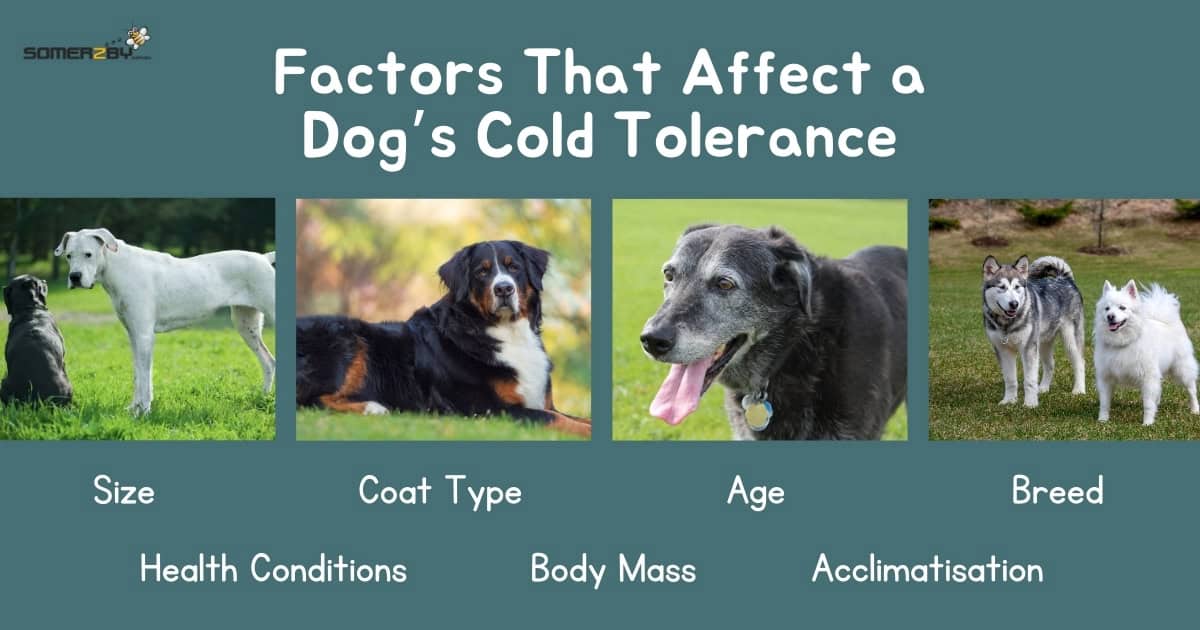
Factors That Affect a Dog’s Cold Tolerance
When deciding if it is too cold for your dog to sleep outside, there is no blanket answer. Every dog is different and there are several important factors you need to consider before deciding if your dog will be comfortable outdoors overnight.
If you are unsure, speak to your vet for advice on your dog.
Dog Breed and Coat Type
Different breeds handle the cold differently. Dogs originally bred for cold regions (eg. Siberian Huskies) and working breeds (eg. Cattle Dogs) will naturally feel more comfortable in the cold and may be happy to sleep outdoors. Alternatively, dogs bred as indoor lap dogs (eg. Cocker Spaniels) may have a low tolerance for the cold.
Also consider your dog’s coat. Breeds with double coats (eg. German Shepherds) can use their thicker fur to retain body heat while breeds with thin coats and bald bellies (eg. Dalmatians) get colder quicker.
If you have a dog that needs its fur cut regularly, you might consider leaving it longer in cooler months to help keep them warmer.
Dog Age
Senior dogs (in the last third of their lifespan) and puppies (under 6 months old) are more vulnerable to the cold because they cannot regulate their body temperature effectively. Both also tend to have weaker immune systems, and exposure to cold can further compromise this, increasing the risk to their health.
Dog Size and Body Mass
Small breeds lose body warmth faster because they have a greater skin surface area to volume ratio compared to larger dogs. Big dogs can generally handle colder temperatures because they have more body fat and muscle to help retain warmth.
Dog Health Conditions
Sick dogs should not be exposed to cold temperatures, as it can weaken their immune system and risk worsening their health. Pets with low blood pressure usually have poor circulation and will be more sensitive to the cold. Dogs with arthritis may also experience joint pain in the cold.
Dog Acclimatisation
When deciding if your dog can sleep outside, think about how used to it they are. Dogs that spend plenty of time outdoors are usually better at handling cooler nights. But if your dog is mostly indoors, they may find it stressful and be more vulnerable to the cold. Gradual exposure to outdoor conditions can help improve a dog’s tolerance over time.
Common Signs Your Dog is Too Cold at Night
You can often tell if your dog is feeling the cold just by watching their behaviour, so trust your instincts if something doesn’t seem right. Symptoms of dogs feeling too cold include:
Shaking or Shivering
The first sign that it is too cold for your dog is shivering. This involuntary shaking is the body creating rapid muscle contractions to try to create heat and raise the dog’s core body temperature.
Other early signs that might signal cold include acting anxious, lifting their paws off the ground and whining.
Curled Up
A common sign your dog is feeling cold is curling up tightly into a donut shape to conserve body heat. While some dogs naturally sleep like this, if your dog doesn’t usually curl up, it’s a good indication they’re feeling chilly. They might also tuck their nose or paws under their body or blankets to keep warm.
You may notice your dog seeking warm places, like trying to sit on your lap or snuggling into sheltered areas outside.
Pale or Cold Skin
If your dog is too chilly, you may notice their exposed skin (like the nose, ears, paws or belly) feels unusually cold to the touch and looks pale. This is a sign their core body temperature is dropping and should be taken seriously.
Lethargy or Sluggishness
When exposed to extreme cold for extended periods, your dog’s physical responses can slow down as the body attempts to conserve heat. This may result in your dog appearing unusually tired or sluggish. This is a sign of moderate hypothermia and your dog needs to be taken to a vet immediately.
Other serious hypothermia symptoms include shallow breathing, muscle stiffness and dilated pupils.
What Temperature is Too Cold for Dogs to Sleep Outside?
While winters in Australia are relatively mild, overnight temperatures can vary significantly depending on the region. Understanding what temperature is too cold for your dog to sleep outside is essential for their safety and comfort.
General Guidelines Based on Temperature
While temperature thresholds can vary depending on your dog’s breed, size and age, here are some general guidelines to help you:
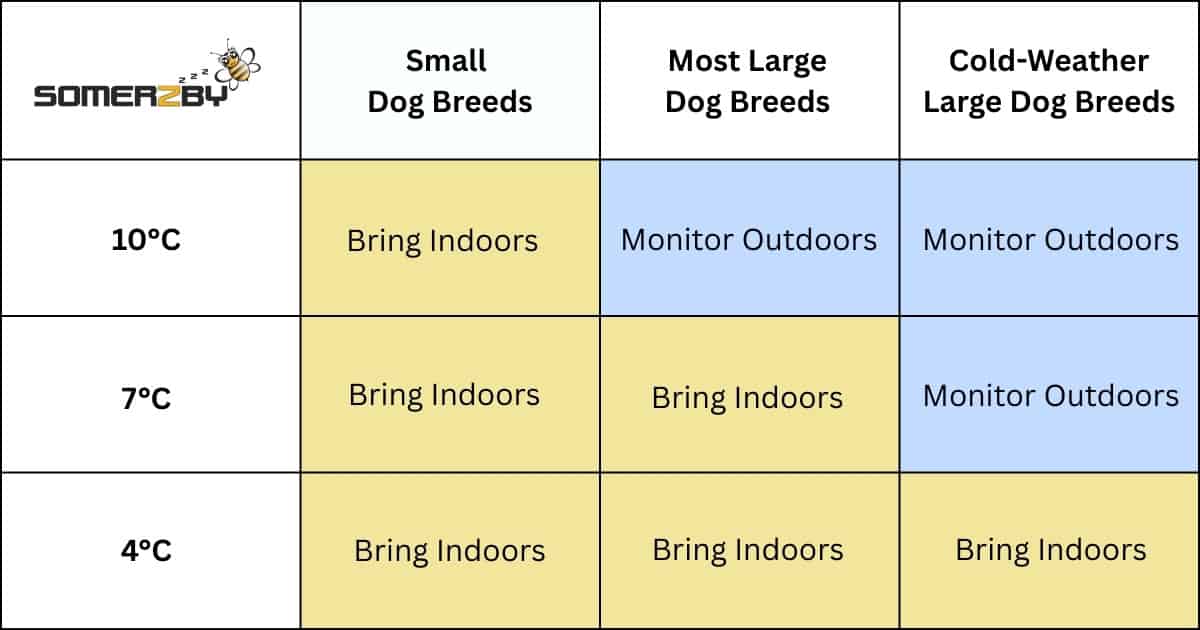
Cold-weather large breeds are any dog that was originally bred to thrive in the snow. This includes:
- Alaskan Malamutes
- Siberian Huskies
- Saint Bernards
- Bernese Mountain Dogs
- Samoyeds
When determining if a temperature is too low for your dog to sleep outdoors, use your common sense. When in doubt, don’t risk it! Just bring your pet indoors.
Cold Weather Risk Factors
When assessing weather conditions, there’s more to consider than just the temperature reading. Wet weather can quickly draw heat away from your dog’s body, especially if their coat becomes soaked, making the air feel much colder than it actually is. Wind chill also plays a major role. Even a mild temperature can feel freezing when cold wind penetrates your dog’s fur and strips away body heat.
What Can Happen if it’s Too Cold?
If it’s too cold for your dog outdoors, the most obvious concern is your dog being uncomfortable and not getting a good rest.
However, hypothermia is also a serious concern, even in Australia where our winters are relatively mild. Hypothermia occurs when your dog’s body temperature drops too far, starting with mild symptoms like shivering and lethargy, and potentially progressing to severe signs such as breathing difficulties, muscle stiffness and even death.
How to Keep Your Dog Warm and Safe if They Sleep Outside
If you do decide to let your dog sleep outside, we recommend taking the following steps to ensure they stay safe and warm all night long.
Provide Proper Shelter
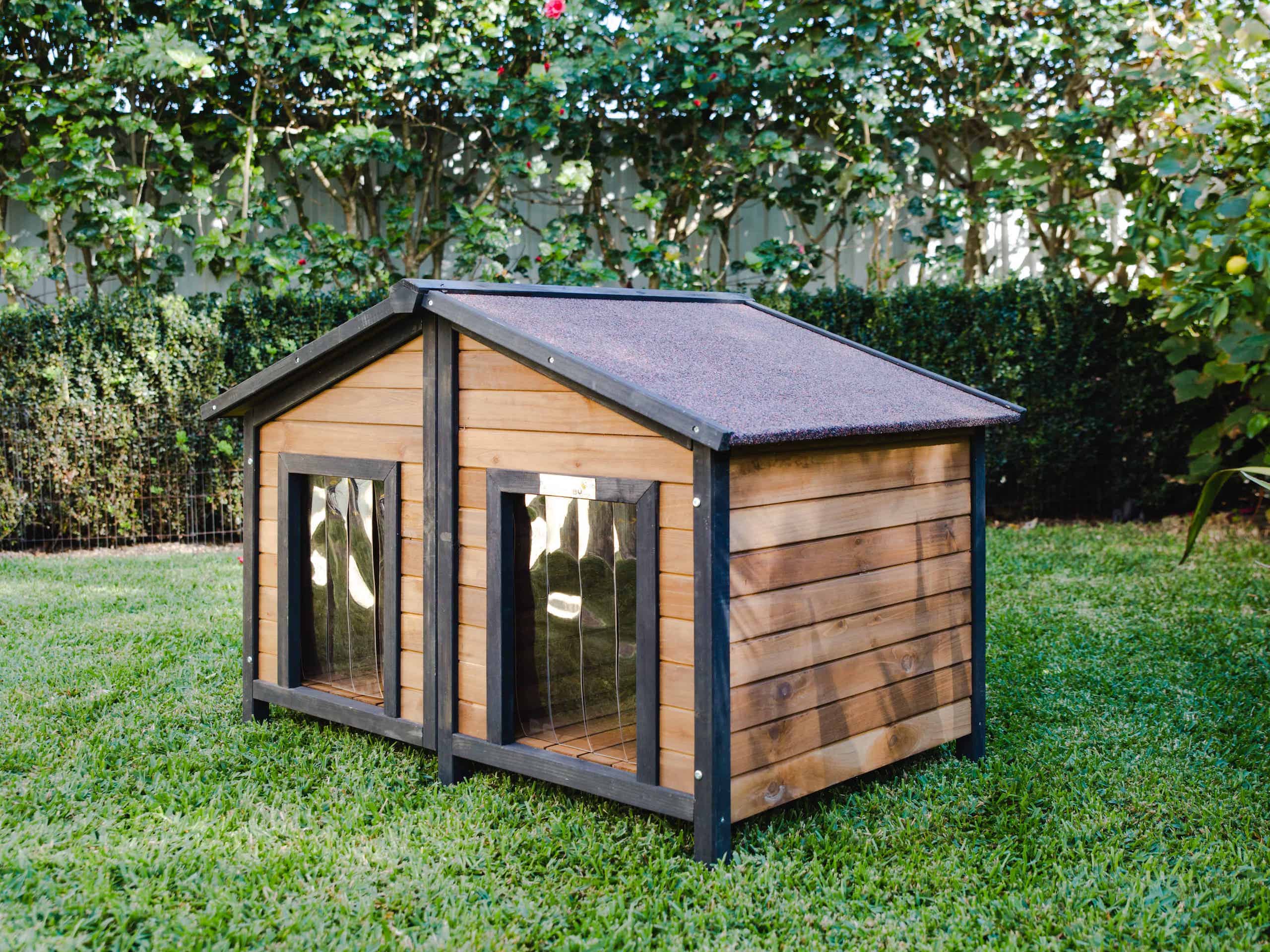
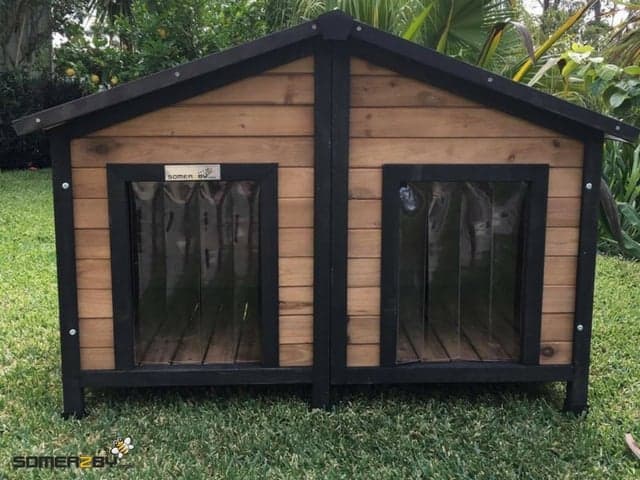
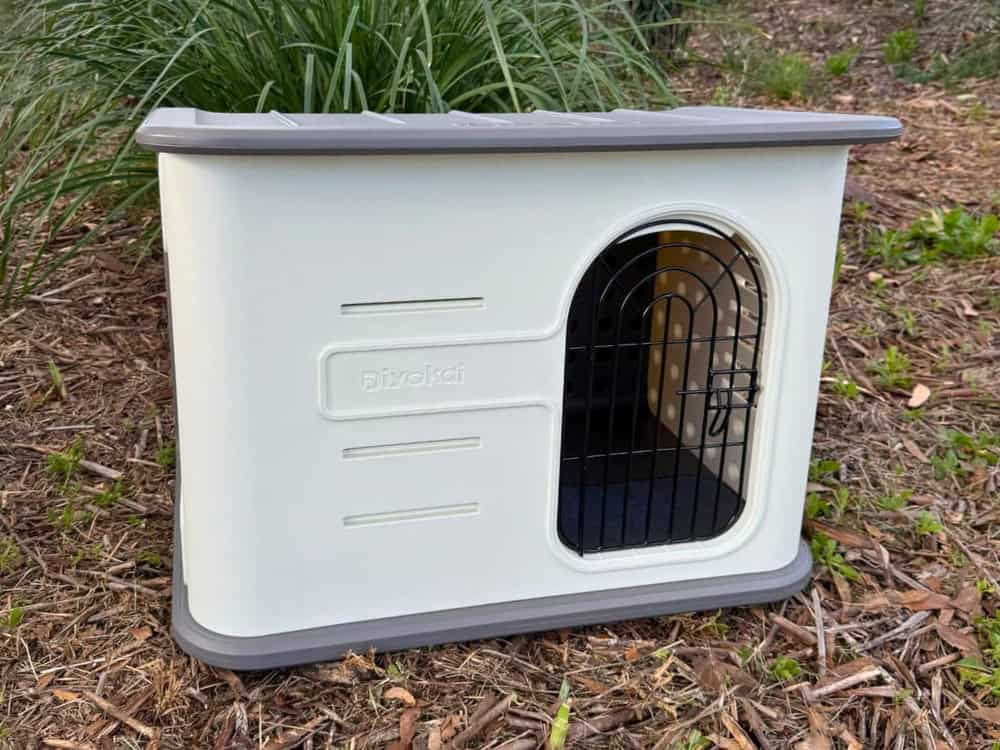
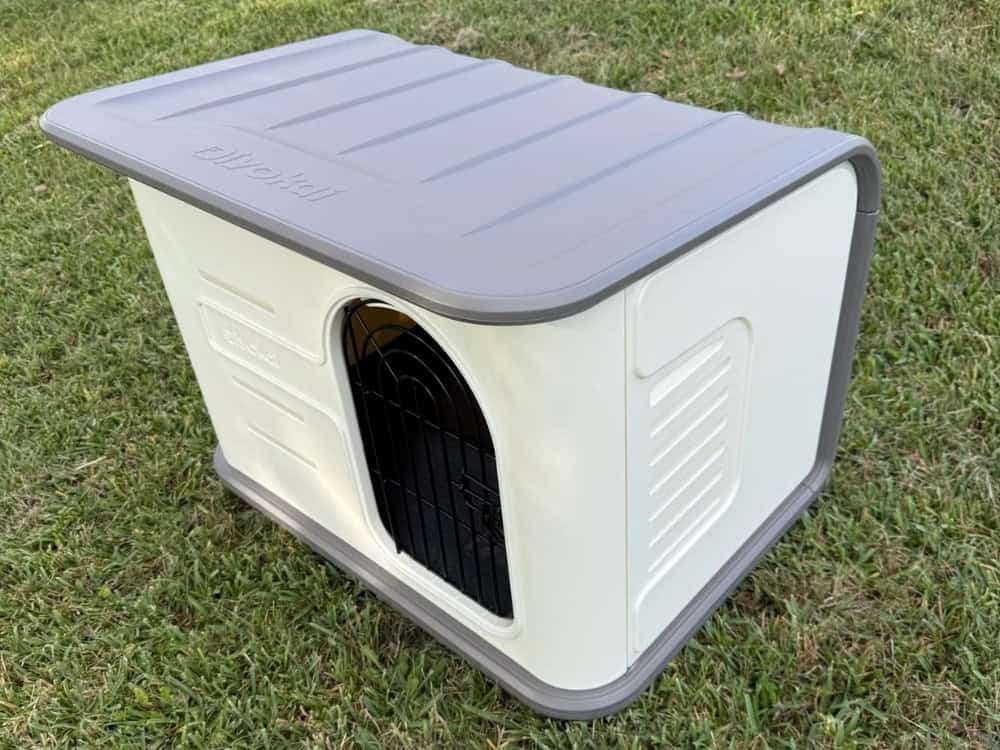
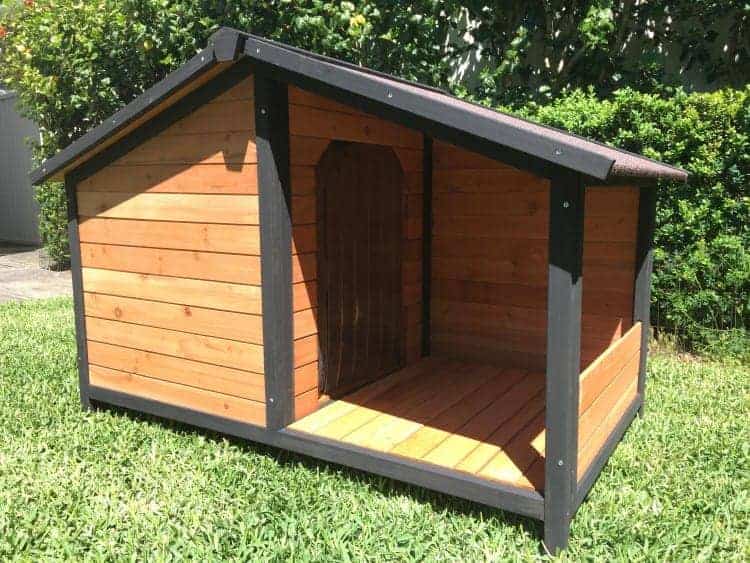
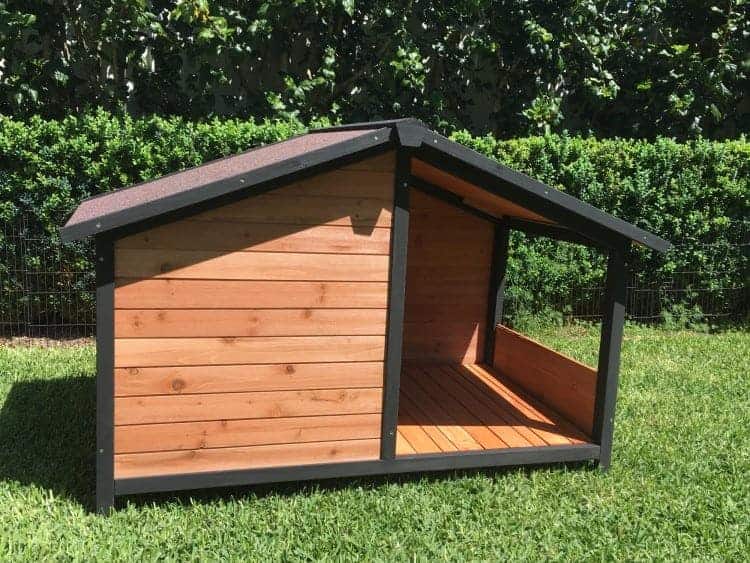
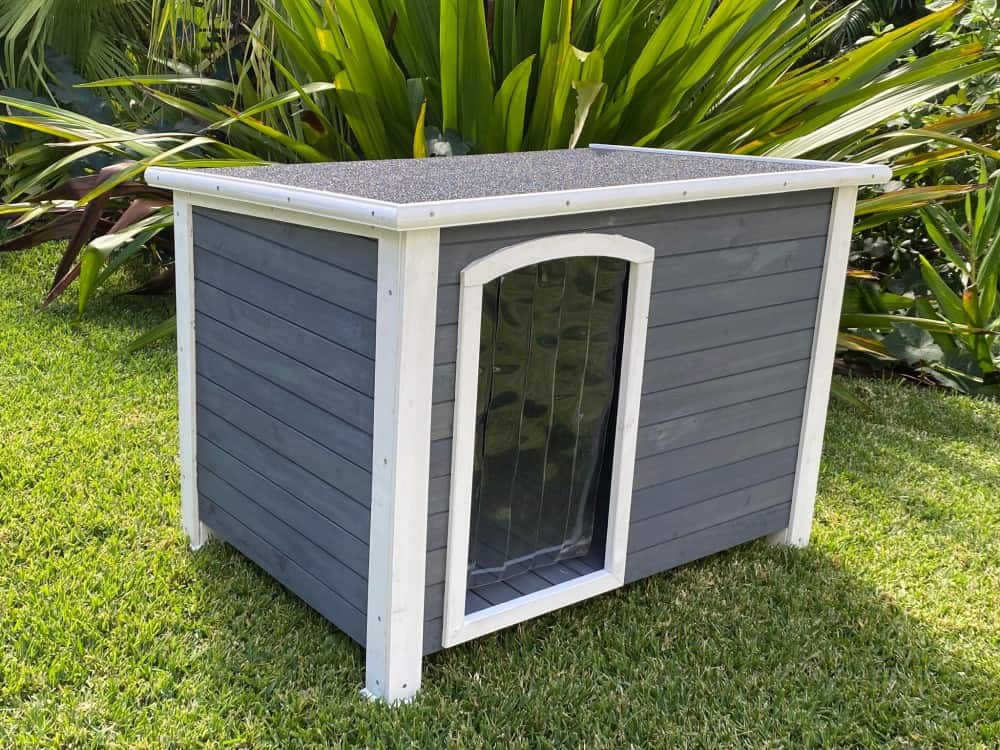
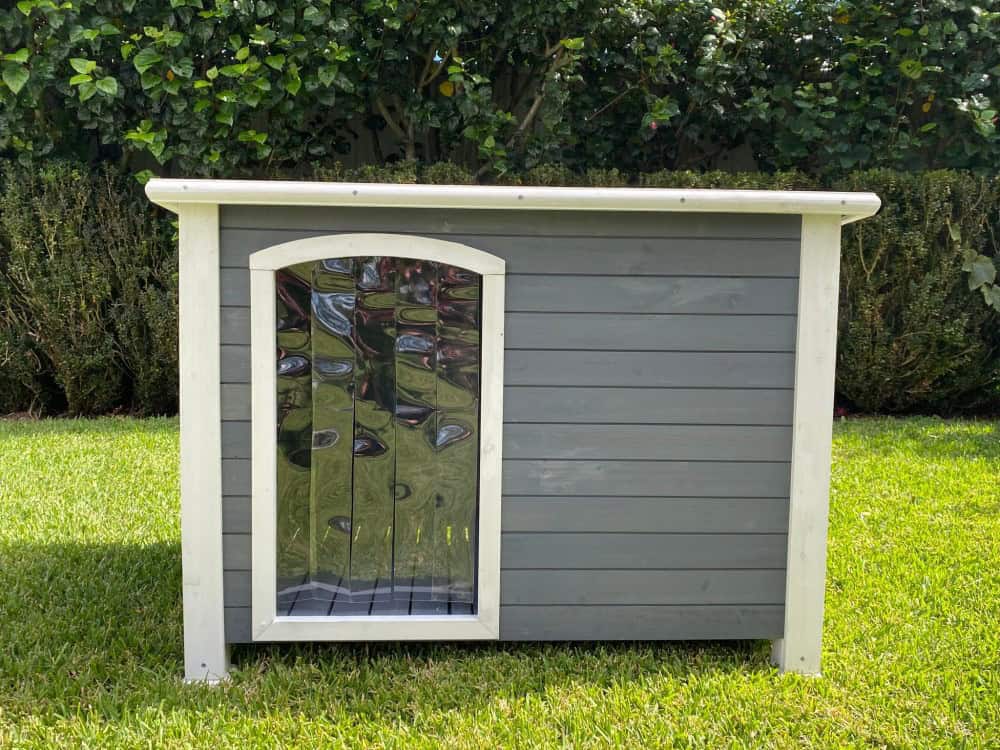
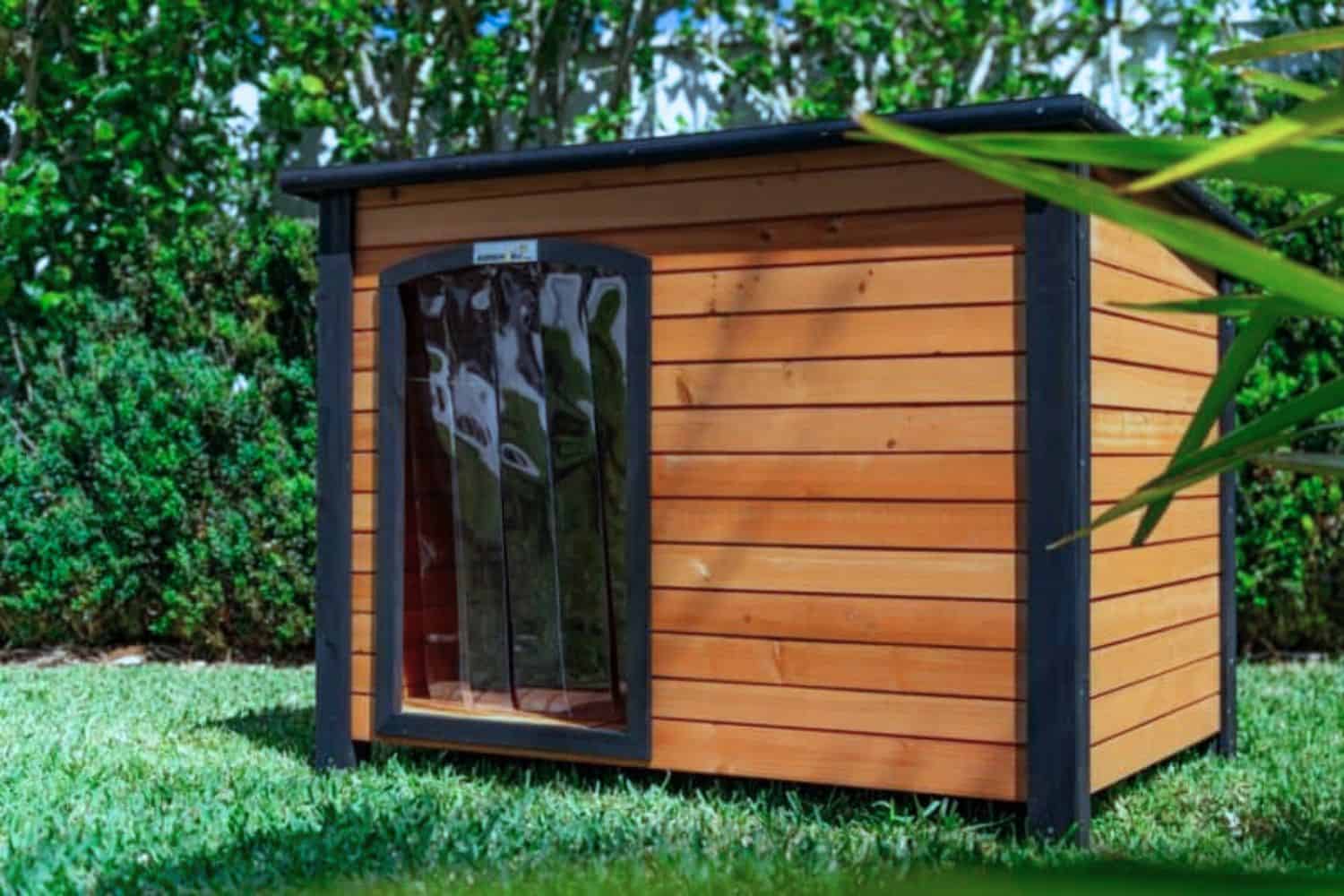
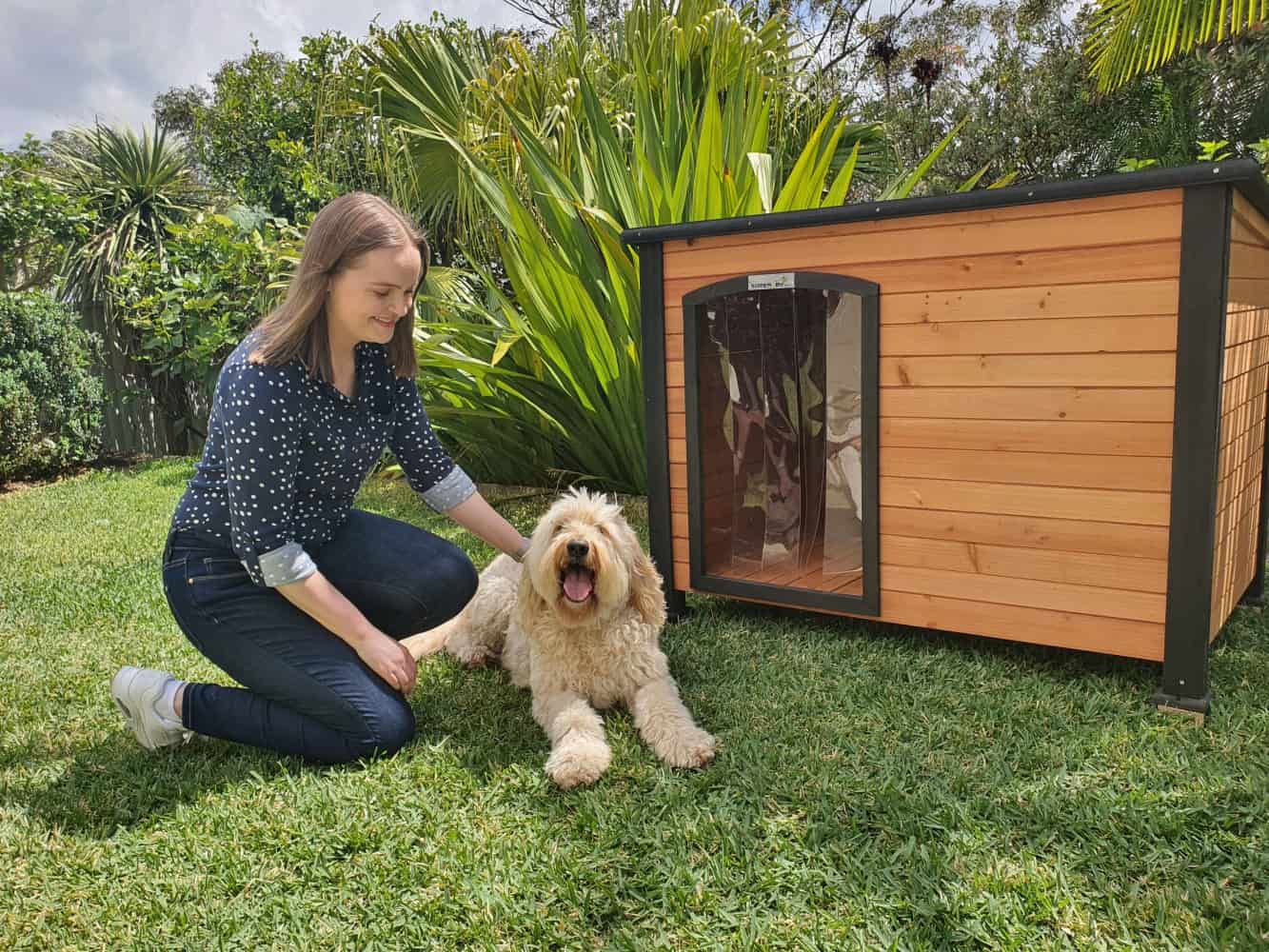
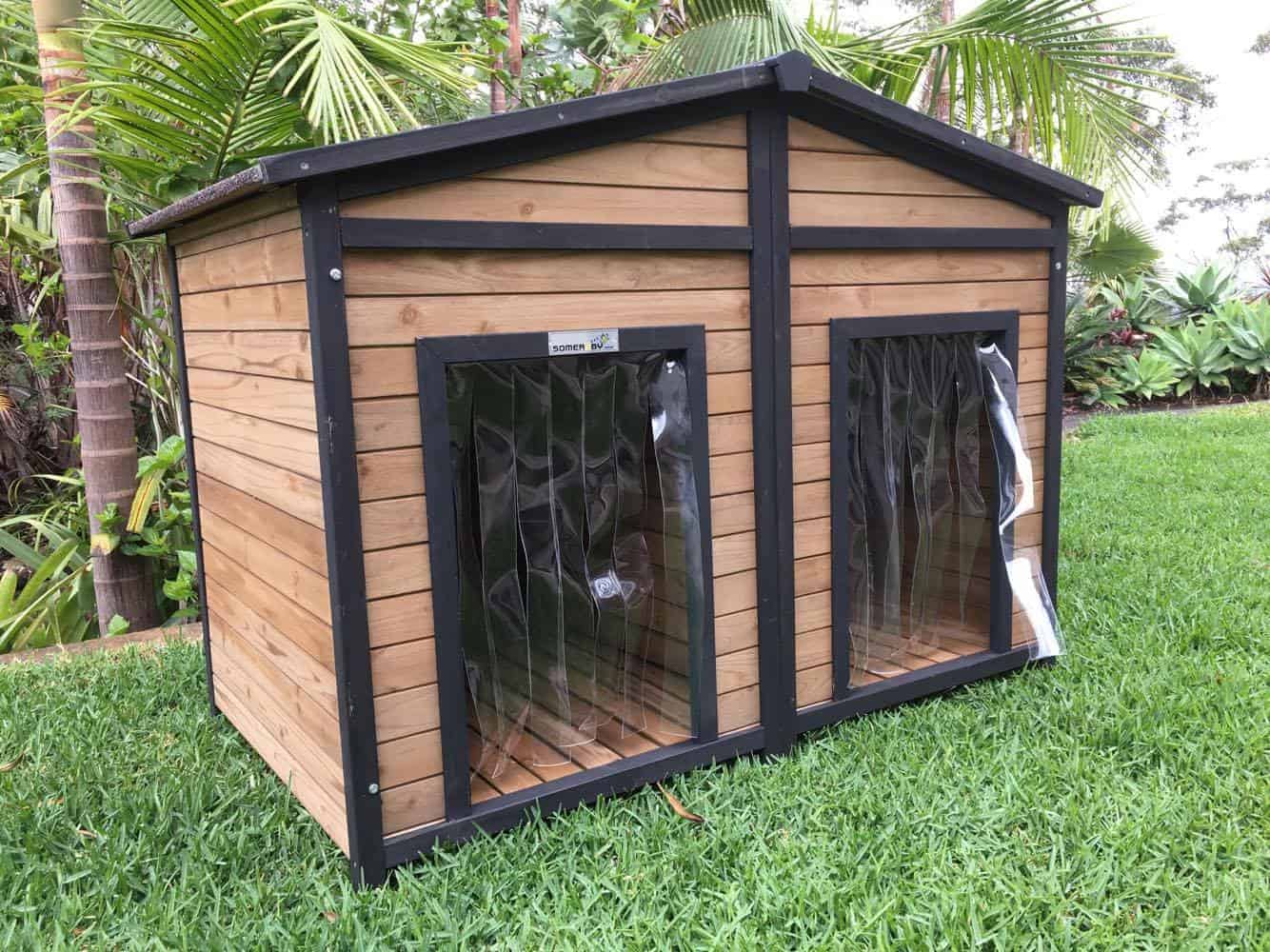
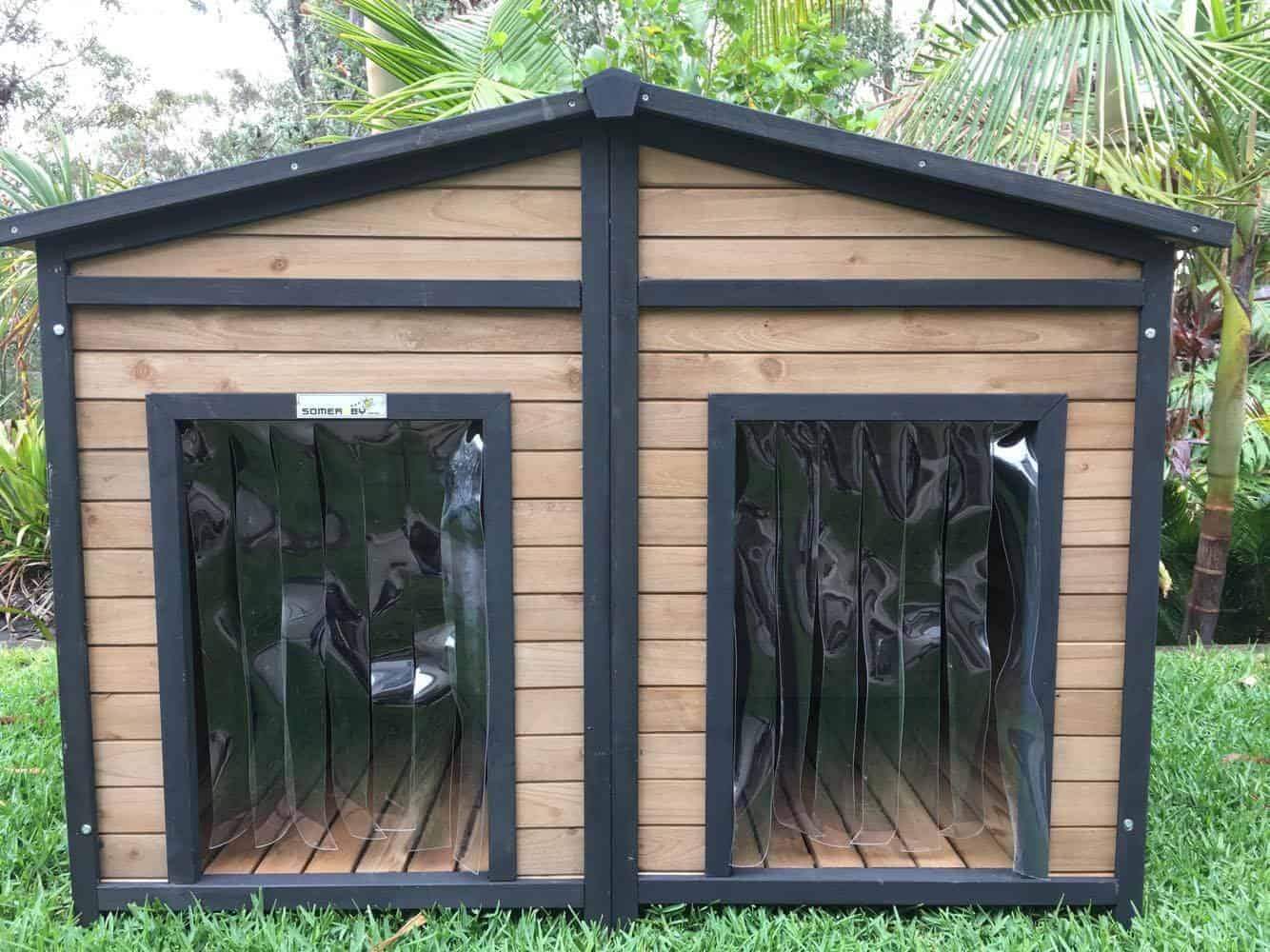
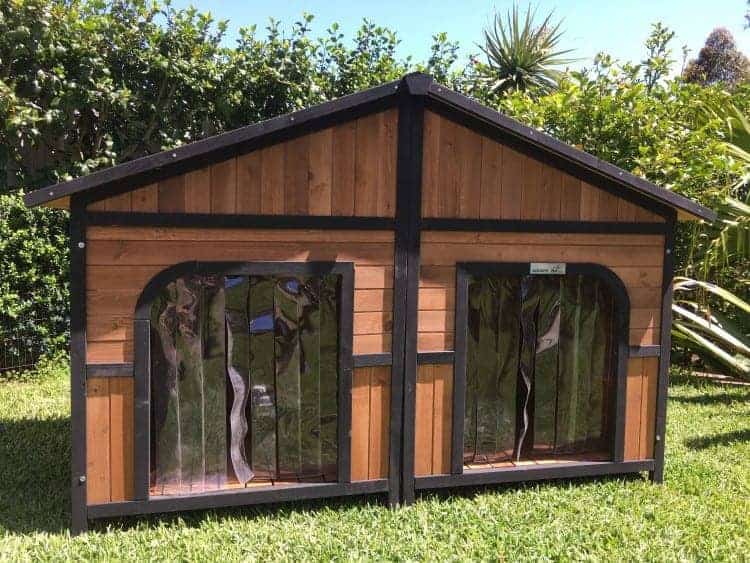
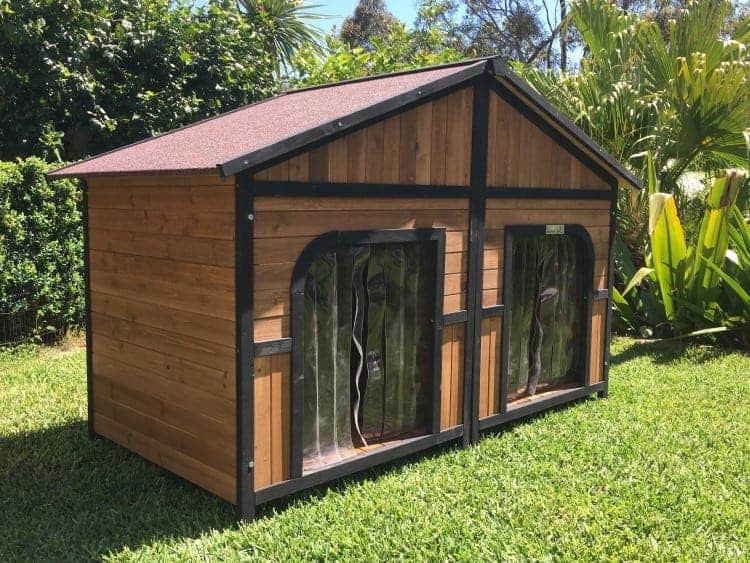
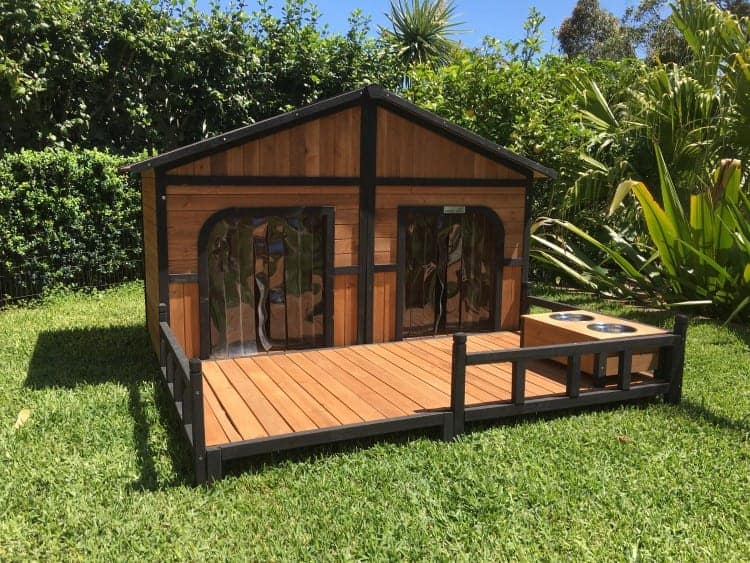
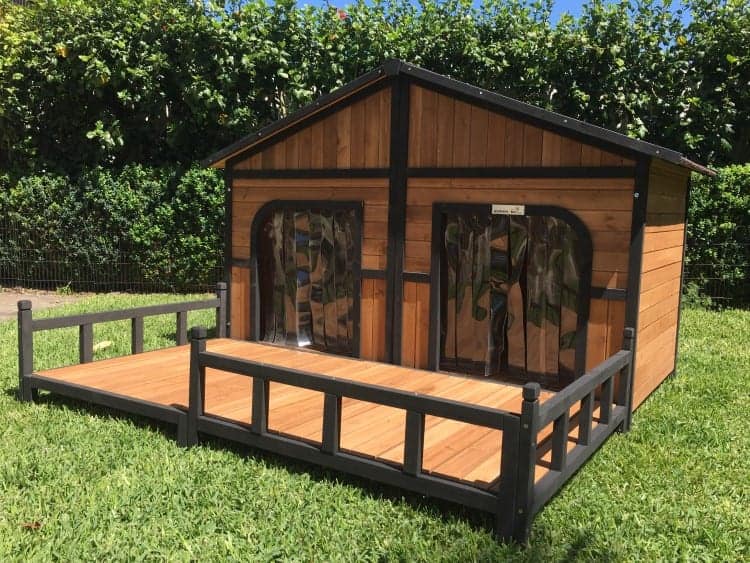
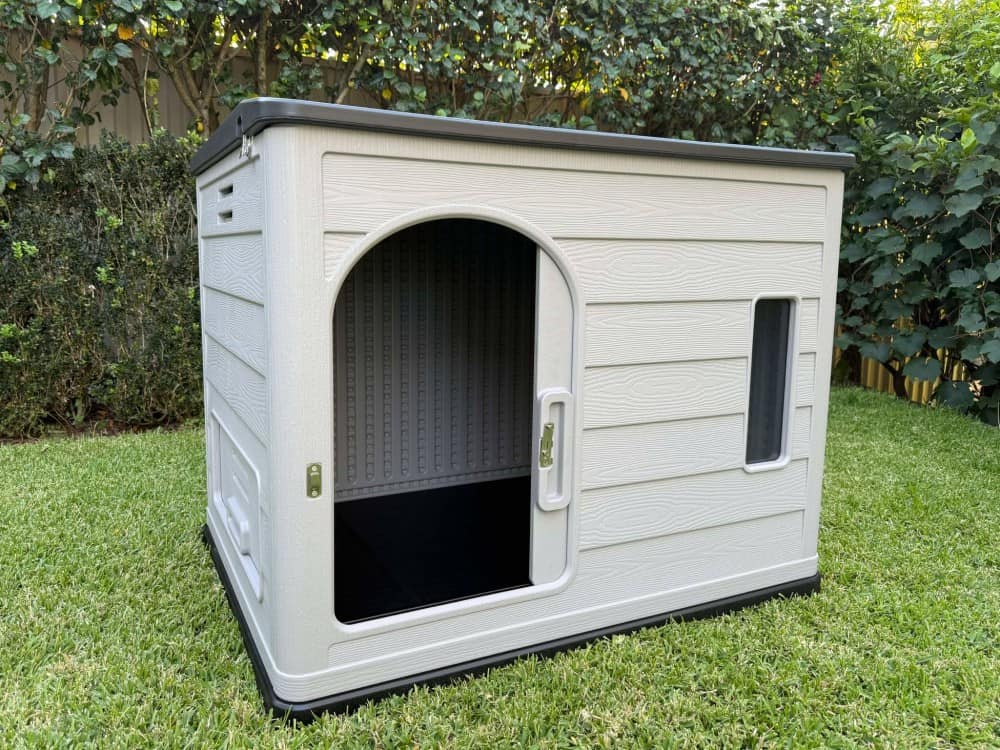
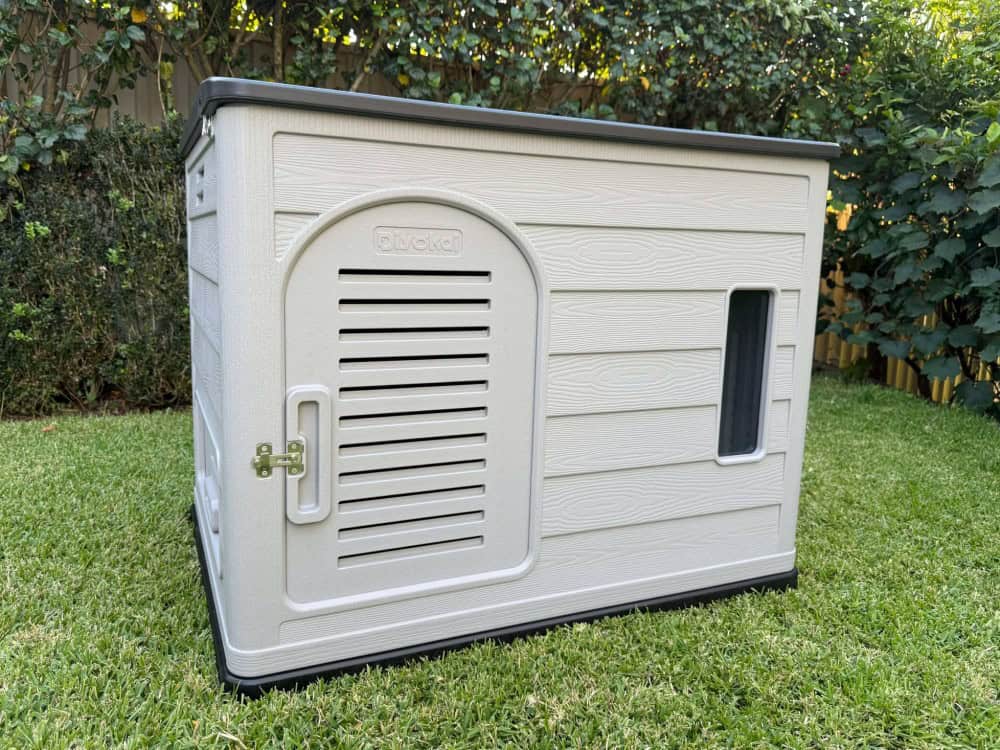
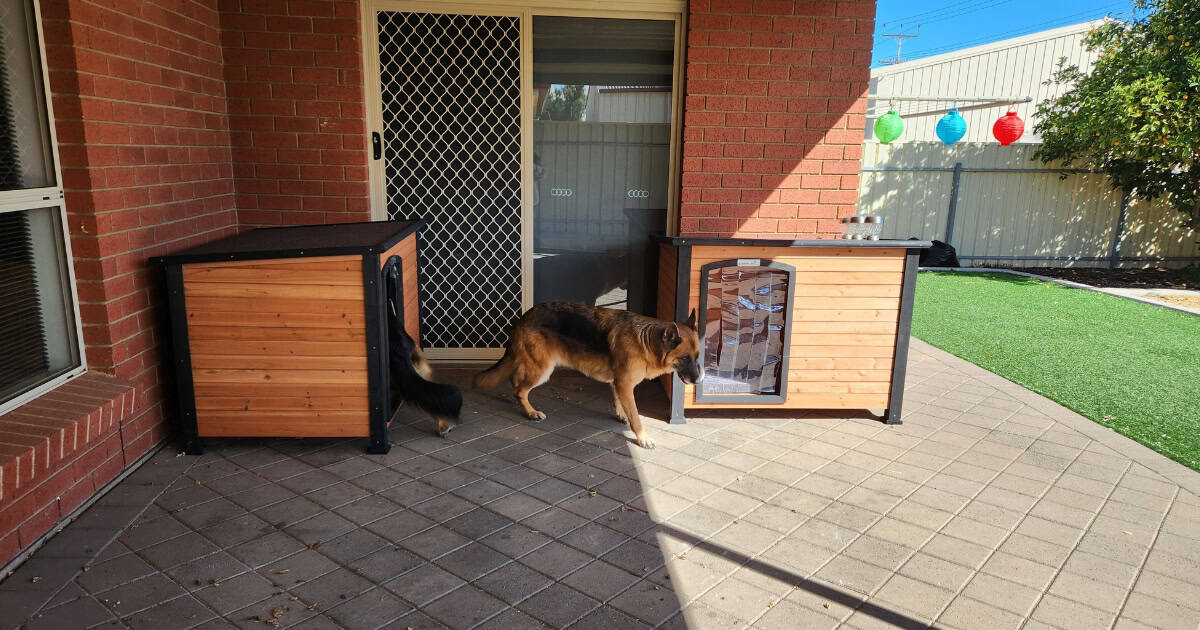
The most important thing for outdoor dogs is a quality shelter that protects them from the elements. Choose a timber or plastic kennel, as these materials provide better insulation to keep warmth in. It should be raised off the ground to prevent cold seeping in from the soil, have a waterproof roof and face away from prevailing winds.
The kennel should be just large enough for your dog to stand, turn and lie comfortably, but small enough for their body heat to warm the interior. For added rain protection, place it under a sheltered area (like a verandah or garage).
Inspect the kennel regularly for any damage and repair it as needed. If possible, consider adding a doggy door to your home so your dog can choose to come inside when it gets too cold.
All Products
All Products
All Products
All Products
All Products
All Products
All Products
All Products
All Products
Make the Sleeping Area Warm and Dry
A well-insulated kennel will help your dog stay warm through the night. Fill the kennel with bedding that’s a good insulator, such as a fleece dog bed, a fluffy blanket or layers of old towels. Using multiple layers works best. For example, a base of towels with a fleece bed and an extra blanket on top to trap heat.
We don’t recommend using heat pads without constant supervision, as they can pose a safety risk if chewed and may cause overheating or burns.
Dress Them in a Dog Coat
Help your dog stay warm outdoors by dressing them in a cosy jacket or dog pyjamas made from a warm, high-quality material. Make sure the fit is comfortable and, if your dog isn’t used to wearing clothing, introduce it gradually with short periods until they adapt.
In areas where it snows or the ground gets icy, dog booties can also provide valuable protection for their paws.
Monitor Conditions and Your Dog’s Behaviour
If your dog sleeps outside, keep a close eye on the forecast and check weather reports daily. When very cold or stormy conditions are expected, provide extra protection or bring your dog indoors before the weather worsens.
While they’re outdoors, monitor their behaviour for any signs of hypothermia. If you suspect it, act immediately! Bring them inside, wrap them in blankets or towels to warm them, and contact your vet.
FAQ
Can dogs sleep outside overnight in Australia?
It depends on the region and the dog! Some outdoor dogs, particularly cold-tolerant breeds, can handle sleeping outside in mild regions. However, winter nights in many inland and southern areas can drop below freezing, which can be dangerous. Always provide an insulated shelter, protect from wind and rain, and bring your dog inside if conditions become too harsh.
Can cold weather worsen health problems like arthritis in dogs?
Yes. Cold temperatures can reduce circulation and cause joints to stiffen, making arthritis more painful and limiting mobility. To help manage their condition, dogs with arthritis should sleep indoors during winter months so they can be kept warm and comfortable.
What are the signs of hypothermia in dogs?
Symptoms of hypothermia in dogs include:
- Shivering
- Lethargy
- Breathing difficulties
- Muscle stiffness
- Dilated pupils
If you notice any of these symptoms, wrap your dog in a blanket and call a vet immediately. If left untreated, hypothermia can lead to coma or death.
Can dogs get sick from cold weather?
While cold weather cannot directly cause illness, it can weaken your dog’s immune system. This can make them more susceptible to viruses, respiratory issues and infections. Keeping them warm and dry is the best way to reduce these risks.
Do older dogs or puppies get cold more easily?
Yes, older pets feel the cold more due to reduced muscle mass and a slower metabolism. Young pups also chill quickly because they have less body fat and haven’t fully developed the ability to regulate their temperature. As both are sensitive to cold, we recommend they sleep inside when possible.
Toni’s Wrap
If your dog sleeps outside, winter can bring real worries about their comfort and safety. In this blog, we’ve explored how to tell if your dog is cold, what temperatures may be too low, and how breed, age and size can affect their tolerance. You’ve also learned why providing a warm, well-insulated shelter is so important for outdoor dogs.
With this knowledge, you can feel confident you’re making the right choices to keep your dog safe and comfortable through winter nights. By staying alert to their needs and making small adjustments, you can enjoy peace of mind knowing your much-loved companion is warm, healthy and happy outdoors.
Related Blogs











My neighbours recently purchased a new puppy that is left outside all day and night. I have been doing some research to give to the owners about why dogs should not be left outside and I came across your blog. I am astonished that the majority of the information on the internet provides little to no information on the psychological impacts of leaving a dog outside. It doesnt matter what breed the dog is, all dogs love company and have a need for safety and security. Dogs can be very anxious creatures because they are constantly on the look out for threats or trying to make sense of our human world. If a dog is left outside, specially overnight, it wont have the opportunity to fully relax and “have a good night sleep”. Leaving dogs outside for prolong periods of time and specially overnight can result in behavioural issues in the future. There is fantastic research by Dr Gregory Berns on dogs’ brains and how we all share the same brain structure/functions. I am trying to get the message out there that as pet owners we need to be more mindful and respectful of our dog’s emotional and physical care needs and not just “what is my dog doing for me”.
I call BS. Some dogs prefer to be outside and many dogs do not need to have constant human attention.
If the dog is not too small and has a thick coat, it will do just fine outdoors almost anywhere in the US in a decent dog house. In many cases it is just as ridiculous to make a dog sleep indoors. Where they sleep and what they do is a matter of training and discipline and who is the leader of the pack, you or your pooch. So it is your choice.
We raised sheep in Wyoming when I was young and our collies slept outdoors with the sheep all summer and all winter. Coyotes and a rare cougar might want a little woolly snack. They might take on one dog but not 3 or 4 .
The temperatures often reach 20 or 30 below zero. The dogs would “dog pile” together or burrow into snow where the temperature is warmer or roll up in an old rug. They like to sleep under a wagon or other shelter out of the precipitation. But they can survive the most brutal blizzards.
In Alaska I would image many sled dogs sleep outdoors in the arctic winter. I don’t think they are in the igloos with their Eskimo owners very often. One of my college roommates had a young, mischievous, black Newfoundland dog. He would find some thin ice to break, roll in the water, then roll in the snow. He became the abdominal white snow dog. He could easily hide about anywhere on the snow and jump on unsuspecting members of the family. One would have to be crazy to let that dog in the house for even a few minutes, let alone all night.
Here is a site that describes how to properly house a dog outside in rule happy Minneapolis MN, where the state motto is: “You can’t do that.”
https://www.coonrapidsmn.gov/DocumentCenter/View/4312/Proper-Outdoor-Shelter-for-Dogs-PDF
Sheepdogs are a bit different .They might be a little hardier . With thicker coats in winter and bury themselves in snow or pack together .But below 10 degrees celsius for puppies and dogs with thin coats is inhumane and damn cruel noncaring …………..it can easily make them susceptible to pneumonia and chest infections and its just inhumane unless there is a lined kennel and the dog wears a dog jacket and its windproof . Dogs get frost bite . They feel just likewe do . They are feel creatures who will suffer greatly if exposed . So …protect them .
I have a german shepherd dog and she have 7 puppies and they outside day and night and right now it cold. What should I do. They are 4 months old. And I worry about them slot when they outside . I look after them everyday
Hey Anita, although matured healthy dogs that have medium to long fur such as German Shepherds can easily sleep outside if they prefer it, small puppies cannot regulate their core temperatures and not only need to be in a place that has a constant temperature that does not fluctuate but somewhere where they can relax and not get anxious. So I would recommend if you can possibly move them indoors or anyplace that is safe and accessible.