

Sep
 ChatGPT
 Claude
 Perplexity
 Grok
Grok
 Google AI
 You
You
 WhatsApp
 LinkedIn
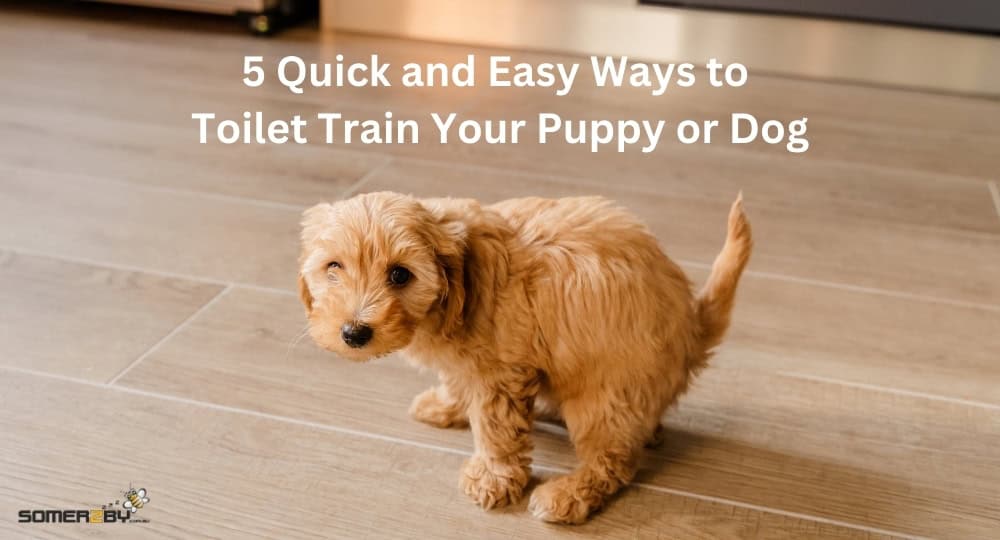
Bringing home a new puppy or adopting a dog is exciting, but toilet training can quickly become stressful. If you’re feeling frustrated by accidents or worried that your dog is taking too long to learn, you’re not alone! This guide offers practical, easy-to-follow tips to help you navigate house training with confidence and build good habits so you can become the responsible, caring pet parent you want to be.
Key Takeaways
- Toilet training involves setting a consistent feeding and toilet schedule, watching for signs your dog needs to go, and choosing a designated toilet area. Use verbal cues and positive reinforcement.
- Accidents are normal! Clean thoroughly, avoid punishment and consider increasing potty breaks to prevent repeated mistakes.
- Crate training can improve bladder control by encouraging dogs to avoid toileting where they sleep.
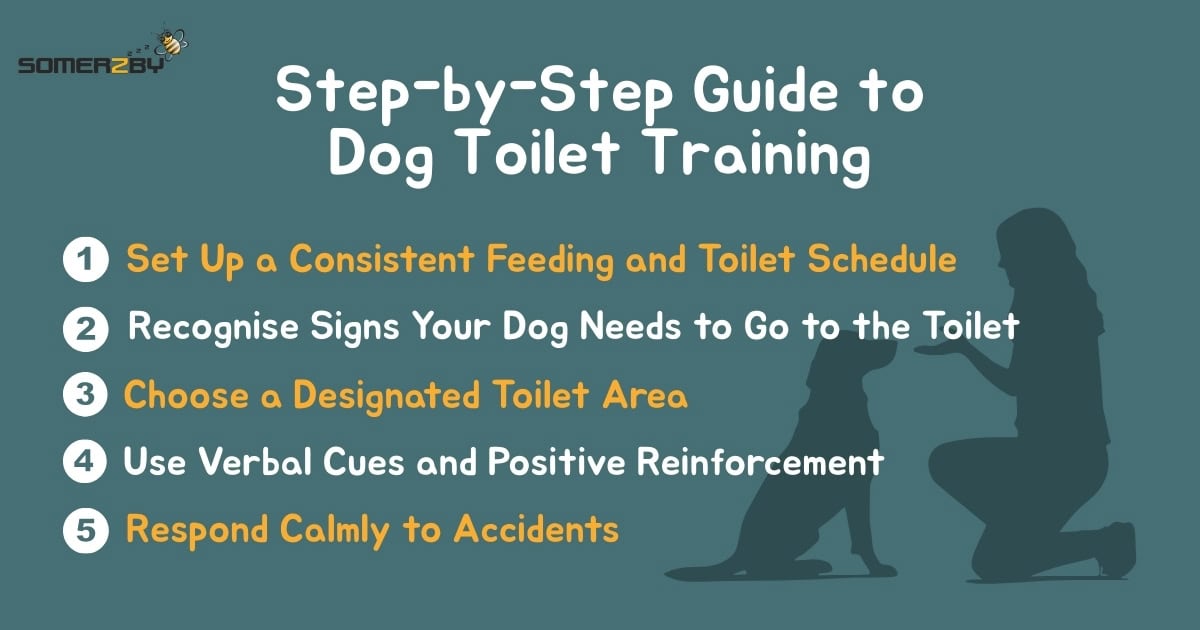
Step-by-Step Guide to Dog Toilet Training
Dogs of any age can be toilet trained, although it is usually easier and faster if you start when they are a puppy. It is never too early or late to begin toilet training!
Step 1: Set Up a Consistent Feeding and Toilet Schedule
Begin toilet training by taking your dog outside at regular intervals. For young puppies, this may be every hour. For older dogs, you can gradually increase this time, as they can hold for longer periods. We recommend setting a timer to remind yourself to take them out. Once they go, reset the timer.
Keep track of every toilet break using a journal, whiteboard or smartphone app. This will help you recognise your dog’s patterns and predict when accidents might happen. Remember, not all dogs follow exact intervals. For example, some may wee more often in the evening.
Take your dog to the toilet about 15 minutes after:
- Waking up
- Eating
- Exercise or playtime
- An exciting event (such as a visitor arriving)
- When you return home after being out
Also, take them outside 15 minutes before:
- Bedtime
- Being left alone at home
By linking toilet breaks to these key events, your dog will learn to go at regular, predictable times even when you’re not there to supervise.
Finally, try to keep daily routines consistent. Feeding your dog the same amount at similar times each day makes it much easier to anticipate when they’ll need to go, setting them up for long-term toilet training success.
Step 2: Recognise Signs Your Dog Needs to Go to the Toilet
While your dog is toilet training, watch them closely. If you notice any sign they are about to go to the bathroom, quickly carry them to their toilet area. Young puppies often give only a few seconds’ warning so they will need extra supervision.
Signs a dog might be about to go to the toilet include:
- Sniffing the ground (especially in an area they have peed in before)
- Walking in a circle
- Pacing
- Fidgeting
- Disappearing to a quiet area by themselves
Step 3: Choose a Designated Toilet Area
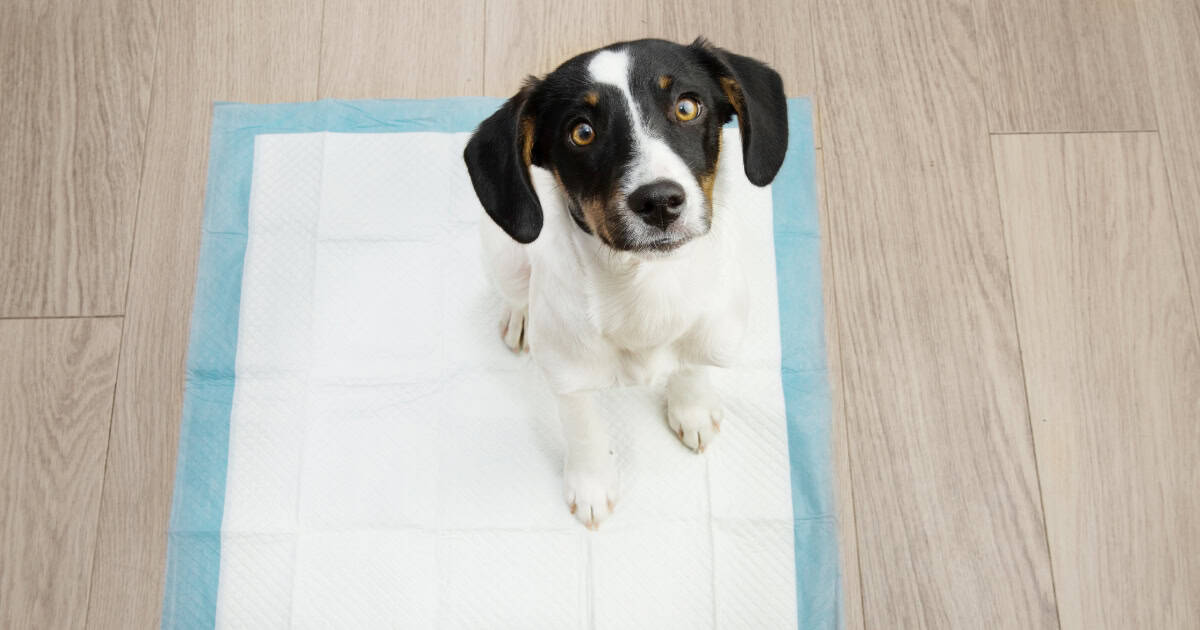
Select one spot to serve as your dog’s toilet area. For most households, this is a patch of grass in the garden. However, for apartment living, it could be a puppy pad or even a tray with sod. If using a puppy pad, always keep it in the same location to avoid confusion and help your pet form a strong association between that spot and toileting.
Pick an area that is quiet and private, so your dog isn’t distracted. Avoid using the same place for eating or playtime. This way, they’ll understand it’s just for toilet time.
If you move house, even well-trained dogs may need a refresher. Begin toilet training again in the new environment so they learn where their new toilet area is.
Step 4: Use Verbal Cues and Positive Reinforcement
Choose a simple command word for going to the bathroom, such as “toilet” or “wee-wee.” Each time you take your dog to their designated toilet area, say the command clearly. As they begin to go, repeat the word in a calm tone.
Once they finish, reward them immediately with enthusiastic pats or a high-value treat. Say “Good” before the command word (eg, “Good toilet”) in a happy voice to reinforce the behaviour. It’s important to reward immediately so they form a strong association between the action and the praise. Then, calmly leave the area and move on to your next activity.
Repeat this process consistently until your puppy understands what’s expected. Make sure everyone in the household uses the same chosen word to avoid confusion and speed up learning.
Step 5: Respond Calmly to Accidents
Accidents are a normal part of toilet training. All dogs will have them at some stage! Instead of getting frustrated, accept that it’s part of the learning process and focus on helping your dog improve next time.
Positive reinforcement, or reward based training, is the most effective way to toilet train a dog. We never recommend punishment for accidents. Yelling, scolding or showing frustration won’t teach your dog what to do. Instead, it may cause fear, confusion or even lead them to hide accidents from you, which can slow down progress.
What to Do When Your Dog Has an Accident
Accidents are a normal part of toilet training, even if they feel frustrating in the moment. But the way you respond plays a more important role in your dog’s learning and overall progress.
Stay Calm and Do Not Punish
Never yell at or punish your dog for toileting indoors, especially if you didn’t see it happen. Dogs don’t associate delayed punishment with their actions, so it won’t teach them anything. Rubbing their nose in the mess is also ineffective, as it only creates fear and confusion. Instead of stopping a bad habit, it can make your dog hide accidents from you, which makes toilet training harder.
Gently Interrupt and Redirect
If you see your dog peeing or pooing where they shouldn’t be, gently interrupt them and say “no” or “uh-uh” in a calm tone. Then take them to the correct location to finish. For puppies, it’s best to carry them. For adult dogs, guide them calmly.
Clean Thoroughly
Dogs often decide where to do their business by sniffing the ground and returning to spots they’ve used before. Even if an area seems clean to us, their sensitive noses can still detect lingering scents.
If your dog toilets in the wrong place, clean the area immediately and thoroughly with an enzymatic cleaner, as these break down odours far more effectively. Avoid ammonia-based products, since urine naturally contains ammonia. To a dog, these cleaners can smell like pee and may actually encourage them to go to the toilet in the same spot again.
Increase Potty Breaks
If your dog is having frequent accidents, it may help to offer more regular bathroom breaks. Puppies under 12 months often need to go more often, as their bladder control is still developing. Pets experiencing a major change in routine (such as a new adoption or moving to a new home) may also need extra opportunities to toilet. Gradually increasing the frequency of potty breaks can help prevent accidents and support successful toilet training.
Crate Training and Its Role in House Training
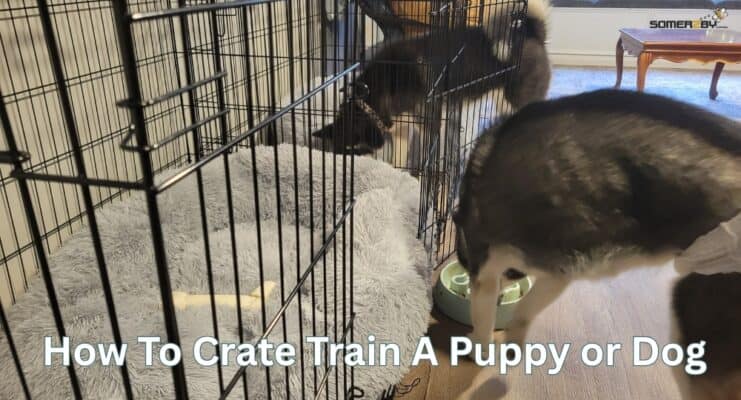
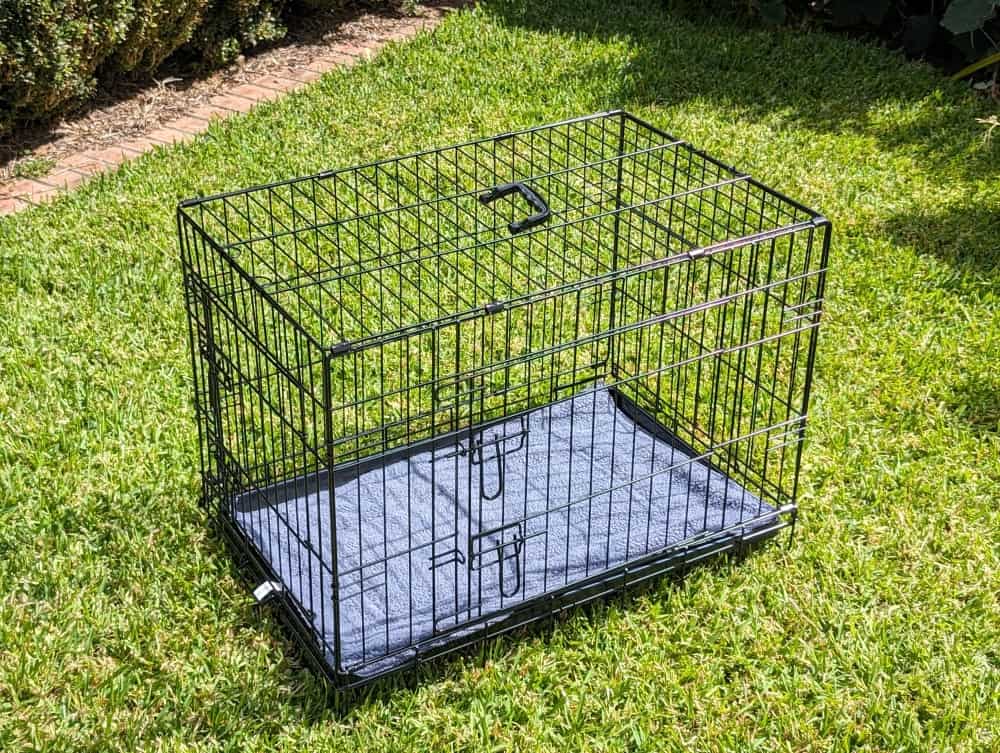
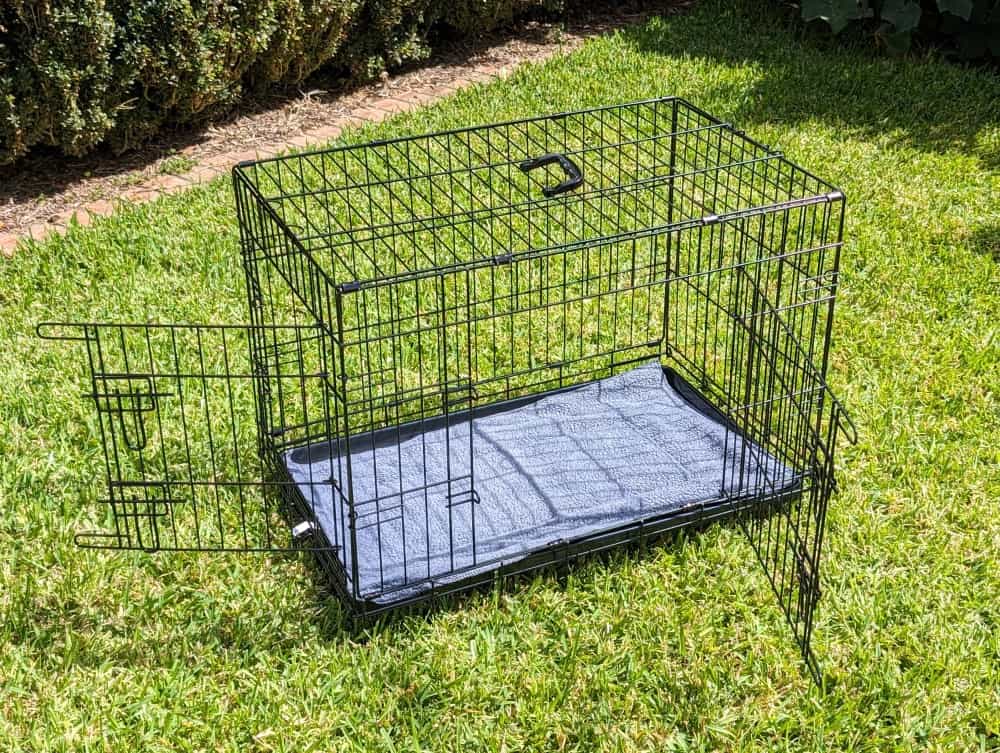
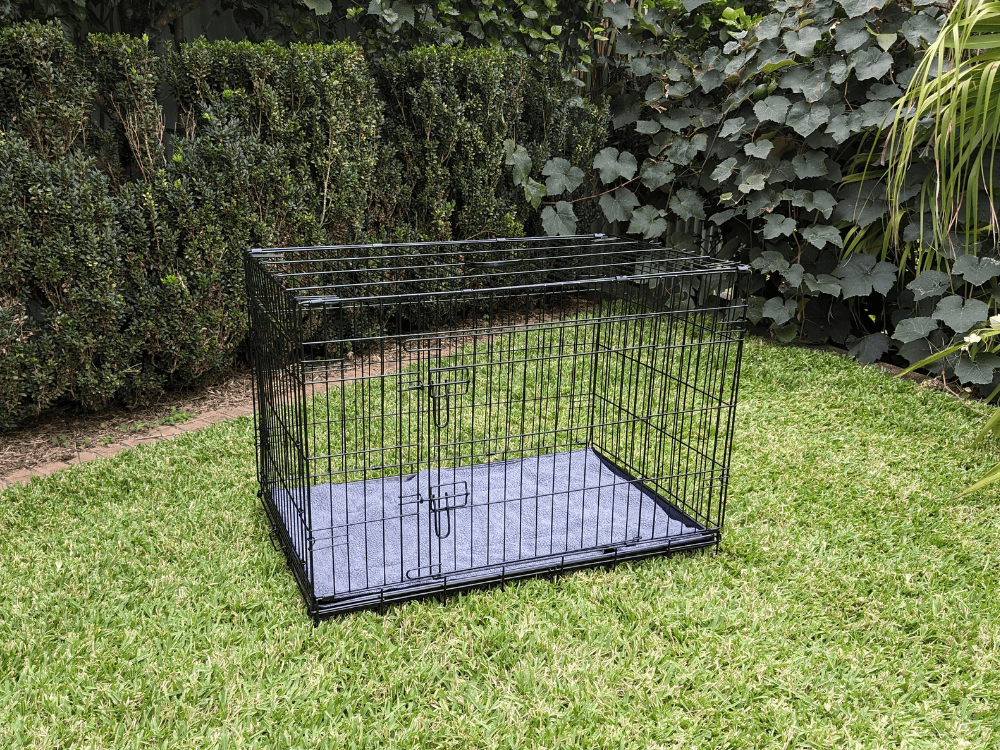
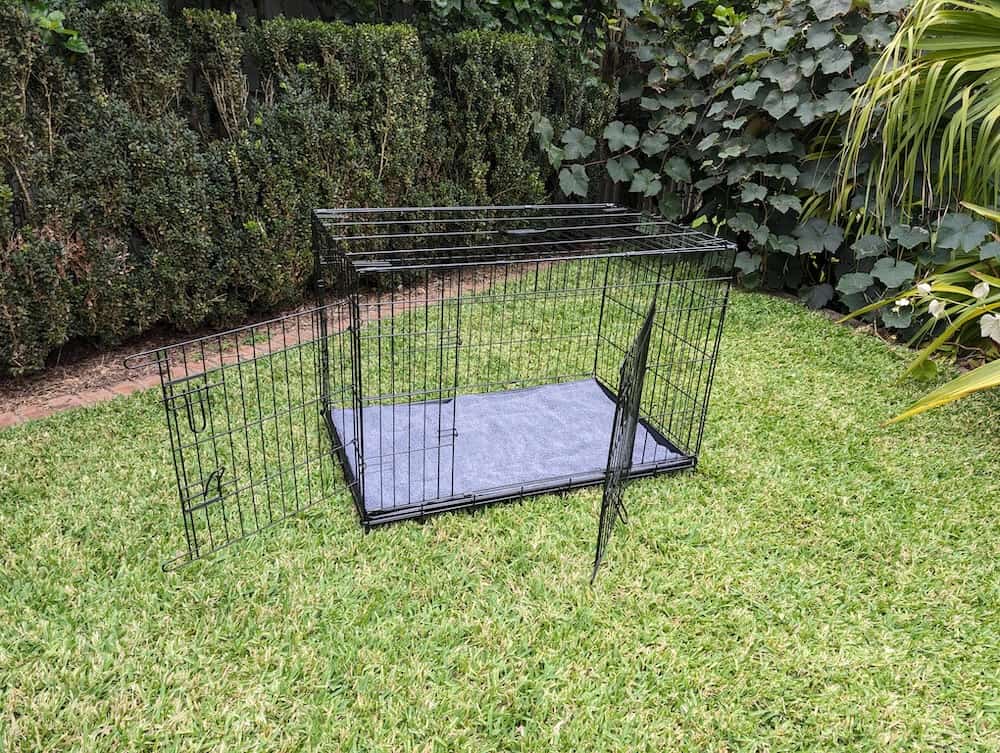
Crate training is increasing in popularity, offering dogs a quiet den-like space to rest and making it easier when they need to travel, visit the vet or be groomed. But did you know that crate training helps speed up toilet training?
How Crates Help Build Routine and Control
Crate training can be an effective way to encourage bladder control. Most dogs instinctively avoid toileting where they sleep, so being in a crate with the door closed helps them learn to hold their bladder for longer periods.
When crate training, keep sessions short and always offer regular breaks to go outside. This ensures your dog stays comfortable while gradually building control and supporting their toilet training routine.
Choosing the Right Crate Size and Placement
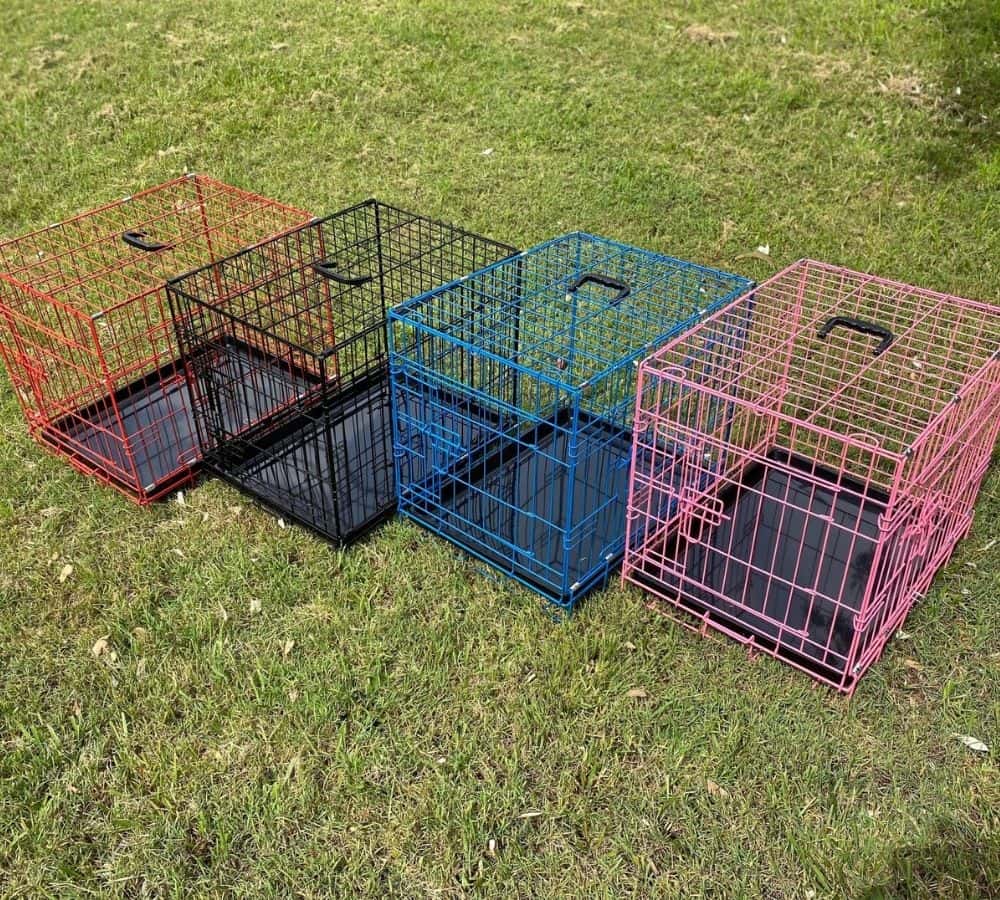
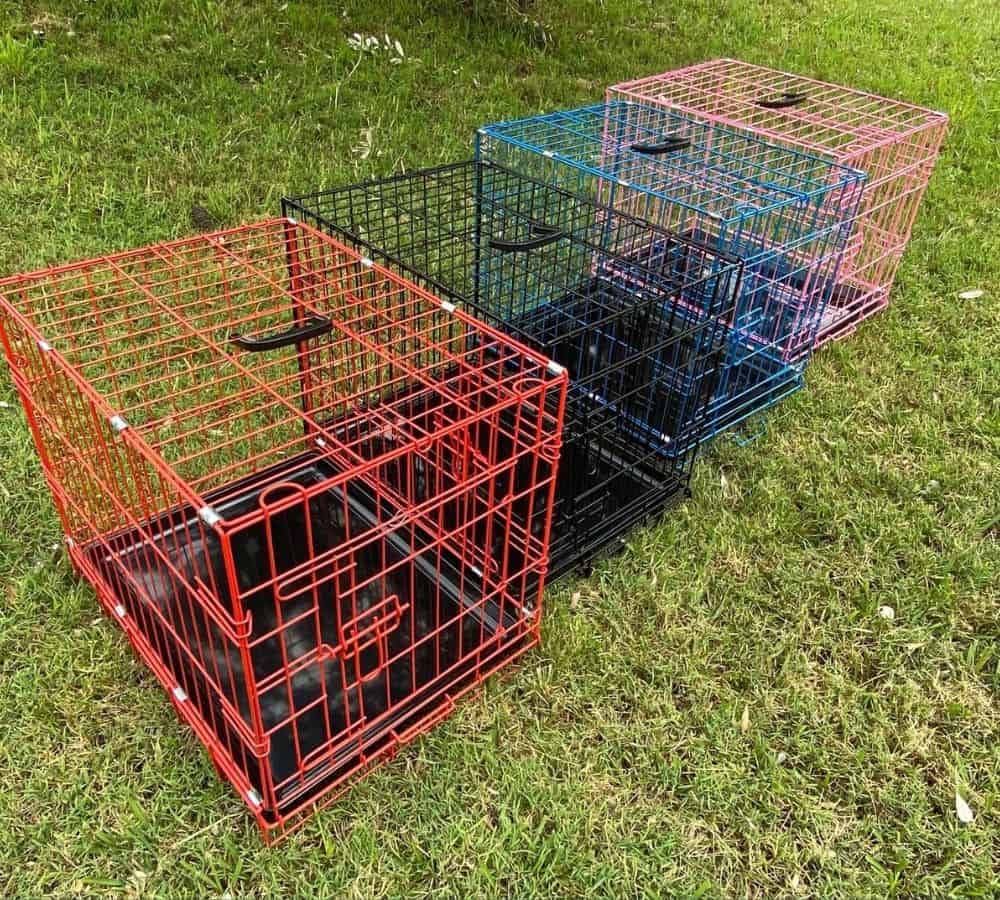
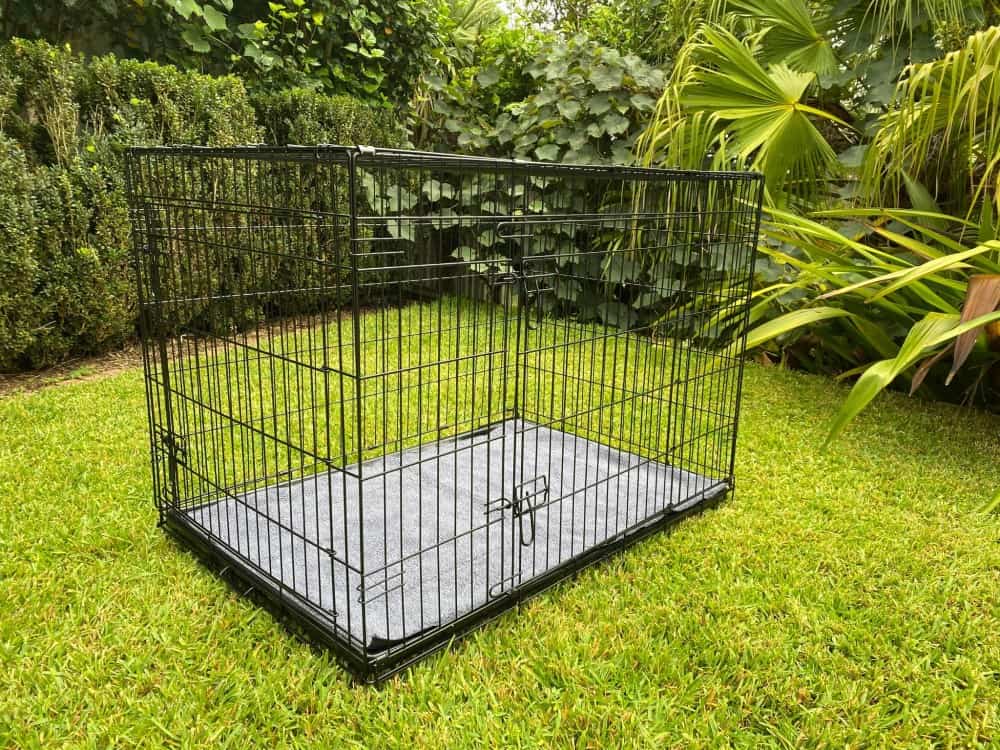
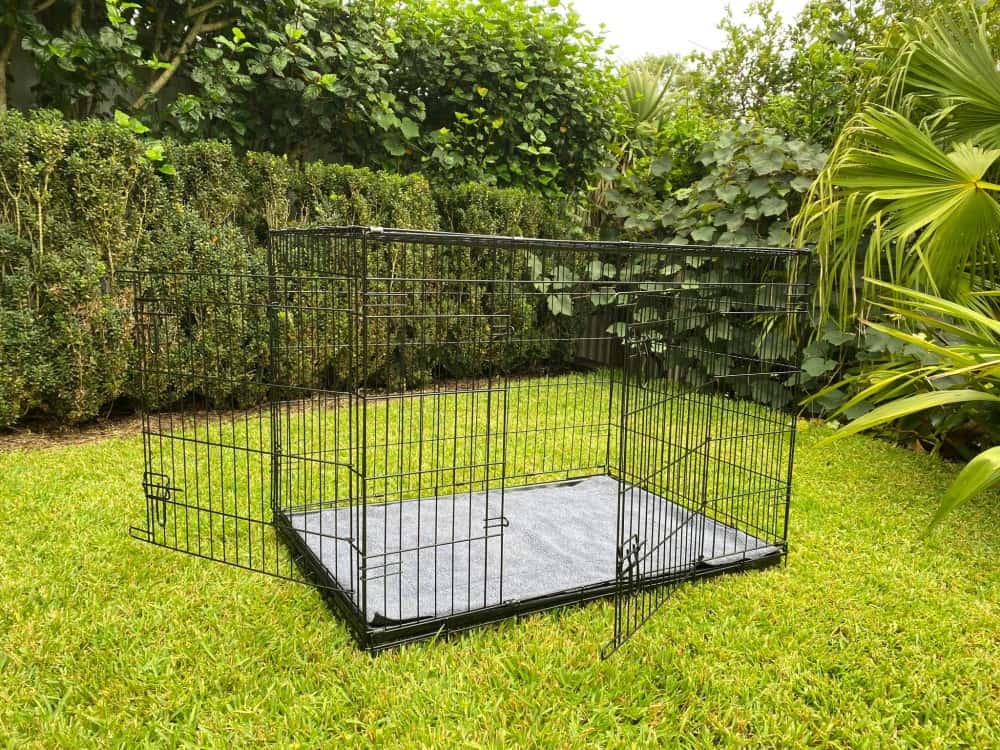
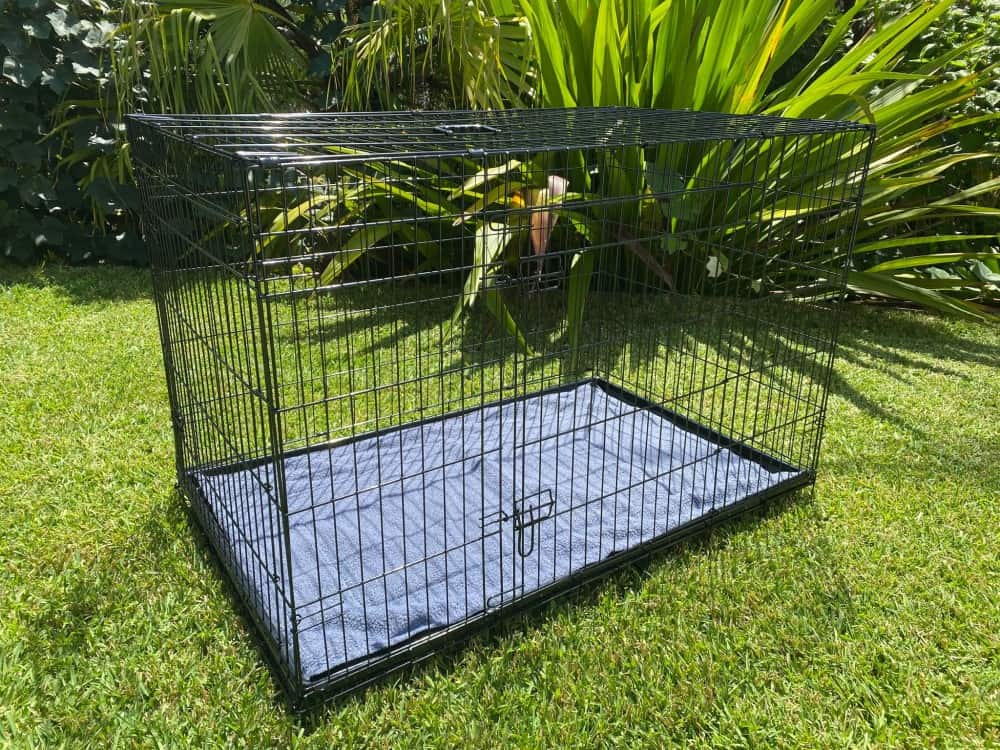
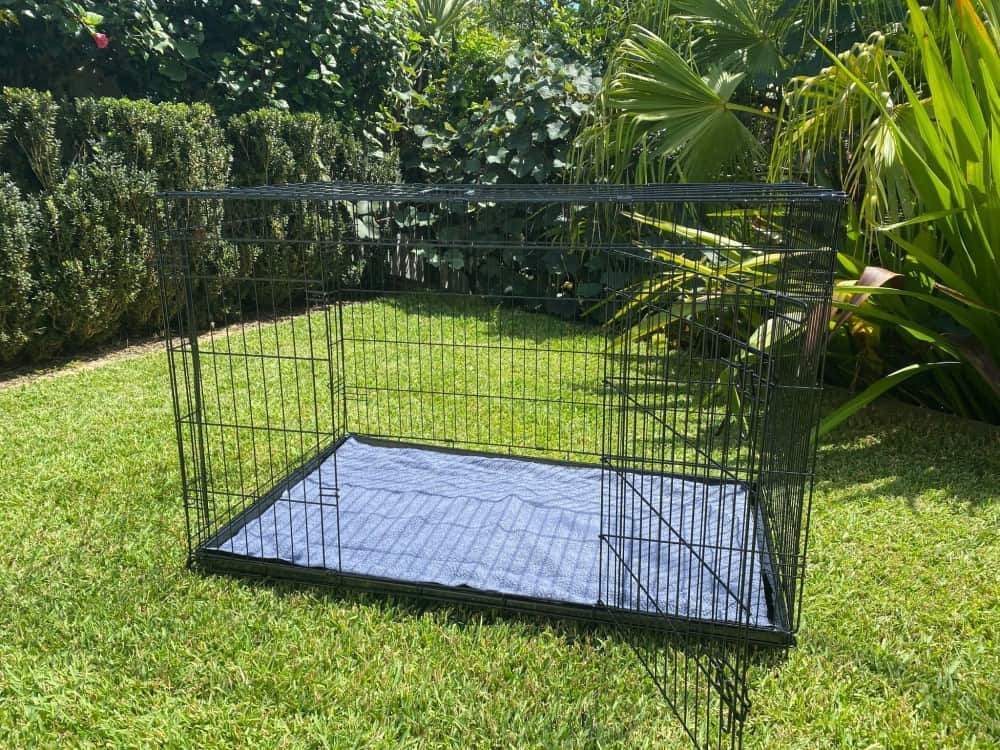
Choose a crate size that is big enough for your dog to stand, turn and lie down comfortably without hitting the sides. Place it in an area of your home that is quiet but not isolated.
Never leave puppy pads in crates with puppies unsupervised, as they can chew and ingest the pad.
All Products
All Products
All Products
All Products
All Products
FAQ
What should I do if my dog refuses to go outside?
If your dog refuses to go outside, it’s important to identify any underlying issues such as fear or anxiety associated with the outdoors. Gradually desensitise your dog by spending short, stress-free periods outside with them, offering treats and praise. Ensuring that outdoor areas are safe and free of loud noises can also encourage your dog to be more comfortable going outside for toilet breaks.
How can I prevent my dog from having accidents when left alone?
To prevent accidents when your dog is alone, gradually increase the time they are left alone, ensuring they have adequate toilet breaks before and after these periods. Crate training can help as dogs typically do not want to soil their sleeping area. Providing interactive toys can also help keep them occupied and reduce anxiety, which may lead to accidents.
What are the best rewards for positive reinforcement in training?
The best rewards for positive reinforcement are those that your dog values highly, which typically include treats, verbal praise, and petting. Use small, high-value treats that are different from their regular food to create strong associations. Always deliver rewards immediately after the desired behaviour to increase the impact of positive reinforcement.
How can I adjust the training schedule for older dogs?
Older dogs may require a slightly different training schedule that accounts for any decreased mobility or health issues. Begin with frequent breaks and adjust the frequency based on their ability to hold it. Additionally, incorporate any necessary medical considerations, and be patient as they may take longer to adapt to new routines compared to puppies.
What are common mistakes to avoid when toilet training?
Common mistakes in toilet training include inconsistent schedules, punishing accidents, and not supervising your dog sufficiently. Punishment can create fear and hinder progress, while inconsistency confuses the dog. Failing to clean up accidents properly can also lead to repeated messes, as lingering odours may encourage dogs to return to the same spot.
Toni’s Wrap
Toilet training a puppy or dog can feel overwhelming, and it’s normal to get frustrated when progress is slow or accidents happen. This guide has shown how to support your dog, set routines and respond calmly to setbacks. Every dog learns at their own pace, so don’t be hard on yourself! Progress isn’t always linear, but with patience, consistency and professional guidance if needed, you can help your dog succeed while building a stronger bond.
Related Blogs