


Dogs
How to Stop Dogs Chewing their Kennel
Jul
 ChatGPT
 Claude
 Perplexity
 Grok
Grok
 Google AI
 You
You
 WhatsApp
 LinkedIn
It can be extremely frustrating and worrying when your dog chews its kennel, especially when it is supposed to be their place of safety and comfort. This guide explains why it happens and shares practical strategies for how to stop dogs chewing their kennel for good!
Key Takeaways
- Dogs chew their kennels for several reasons, including boredom, anxiety, loneliness, or teething in puppies.
- Ensure your dog gets enough exercise and mental stimulation- tired dogs are far less likely to chew out of boredom.
- Don’t use punishment or scare tactics for kennel chewing as they increase fear and don’t fix the root cause. Address the underlying reason for a lasting solution.
- Make the kennel an inviting place with comfortable bedding and familiar smells to help prevent chewing.
- Reinforce calm behaviour in the kennel by giving your dog their favourite treats as a reward.
Table of Contents
- Why Do Dogs Chew Their Kennel?
- Should I Be Worried If My Dog Chews Wood?
- Common Mistakes That Make Kennel Chewing Worse
- Setting Up The Kennel For Success
- Simple Steps To Stop Kennel Chewing
- Crate Training
- What Not To Do
- Support Chewing Preventation Training With Somerzby Products
- FAQ’s
- Toni’s Wrap
Why Do Dogs Chew Their Kennel?
When a dog chews its kennel it can feel frustrating, but it’s important to know this is normal dog behaviour, not misbehaviour.
Chewing is how dogs release energy, soothe themselves, and meet natural instincts. It often happens due to boredom or excess energy, anxiety or separation stress, teething in puppies, dental issues in adult dogs or simply not having sufficient chew toys.
When you understand why your dog is chewing, you can address the real cause and find a solution that helps your dog feel calmer and more content.
Should I Be Worried if My Dog Chews Wood?
It is generally not considered safe for dogs to chew wood.
If your dog is breaking off small pieces or swallowing any wood, then there is a risk of internal injury or digestive blockage. This is why it is crucial that you regularly inspect your dog kennel to make sure there aren’t any hazards.
Common Mistakes That Make Kennel Chewing Worse
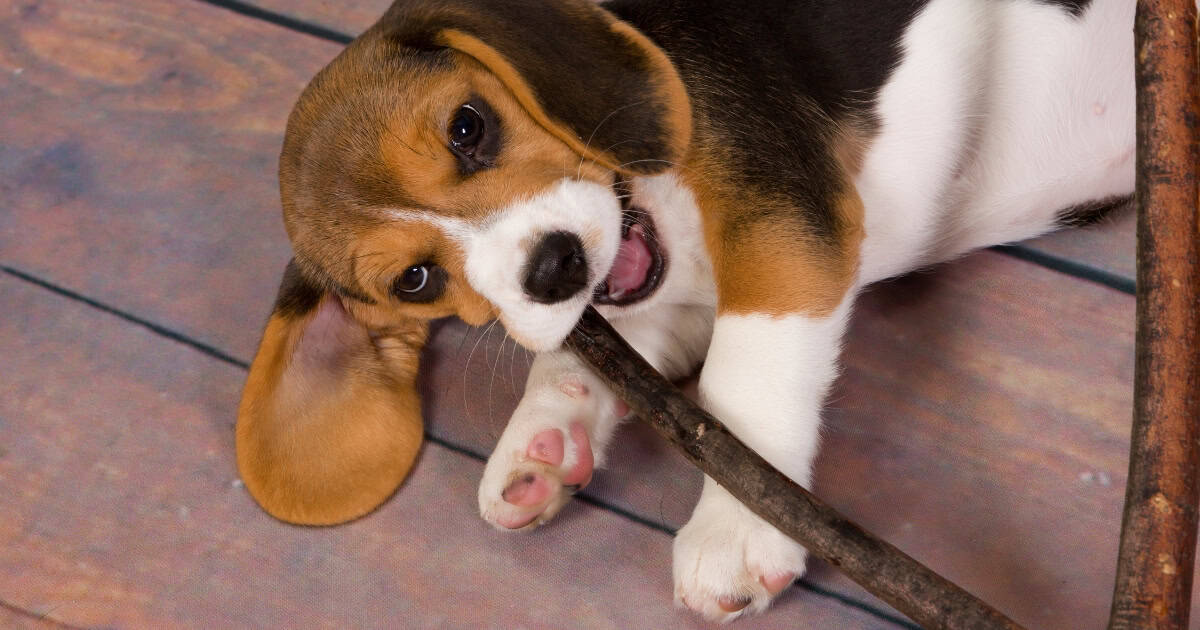
If your dog is chewing their kennel, it’s usually a sign that something isn’t working for them. Without realising it, owners can sometimes make the problem worse.
Not providing enough mental stimulation
Dogs need mental and physical activity. If they’re left bored for long periods without toys, walks, or playtime, chewing can become their way of coping with boredom or frustration. A well-exercised, mentally stimulated dog is far less likely to chew destructively.
Scolding After the Fact
If you come home to find your dog has chewed their kennel, it is natural to feel frustrated. However, dogs don’t connect punishment with something that happened hours earlier. Instead of learning “don’t chew the kennel,” your dog just learns to feel anxious around you and that stress can actually make them chew even more.
Expecting the Kennel to Work Without Training
A kennel needs to be introduced gradually and positively. Without proper conditioning, it may feel restrictive or stressful. Patience, positive reinforcement, and short training sessions make a significant difference.
With patience, consistency, and the right setup, your dog can learn to see their kennel as a calm, comfortable space, and destructive chewing can become a thing of the past.
Setting Up the Kennel for Success
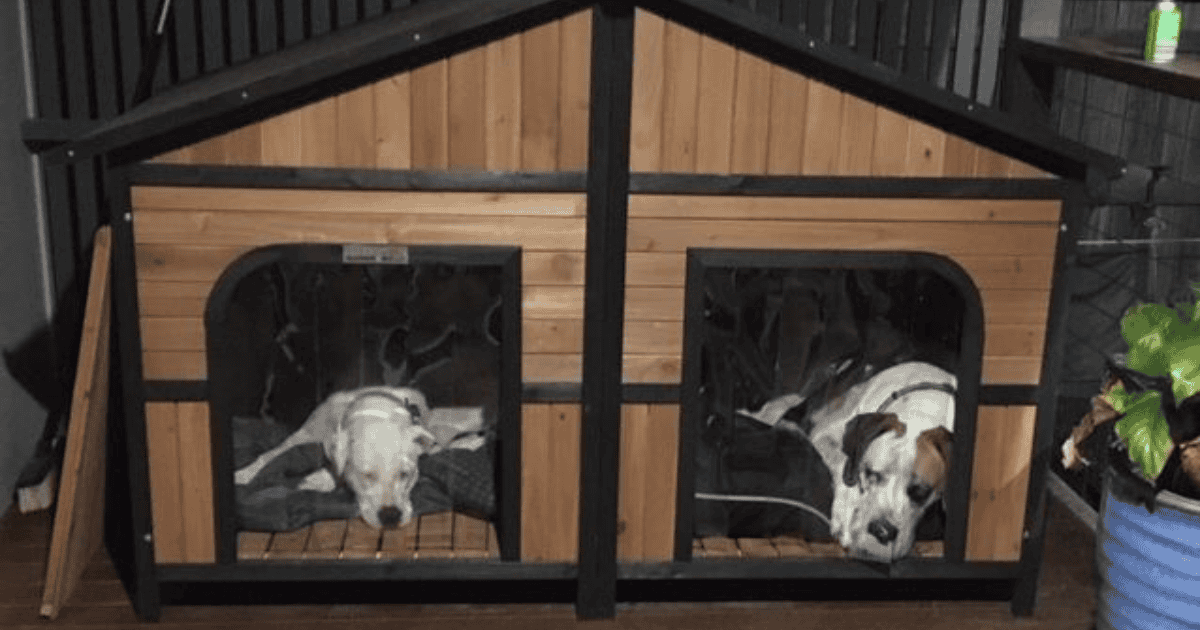
A kennel should feel like a safe place to relax, not a place of punishment. Setting it up thoughtfully goes a long way toward reducing stress-related chewing and helping your dog see their kennel as a calm, appealing space.
Chew-sing The Right Kennel
Start by choosing an appropriate size and style. The kennel should be large enough for your dog to stand up, turn around, and lie down comfortably, but not so big that it feels open and insecure.
A kennel that’s too small can cause frustration, while one that’s too large may feel unsettling. Look for sturdy construction, a layout with good airflow and smooth edges, all of which make the space more comfortable and reduce the temptation to chew edges or corners.
Add Comfortable Bedding
Soft and supportive bedding instantly makes a kennel more inviting. Choose bedding that suits your dog’s sleeping style. Some dogs prefer soft and fluffy beds, while others like something firmer. For dogs that are heavy chewers opt for durable or chew-resistant bedding to avoid reinforcing the habit.
Include Familiar Smells
Dogs find comfort in familiarity. Adding an item that smells like you, like an old t-shirt or a favourite blanket can help your dog relax and settle more easily. These familiar scents provide reassurance and can significantly reduce anxiety-driven chewing, especially for puppies or dogs new to kennels.
Place The Kennel In a Low-Stress Area
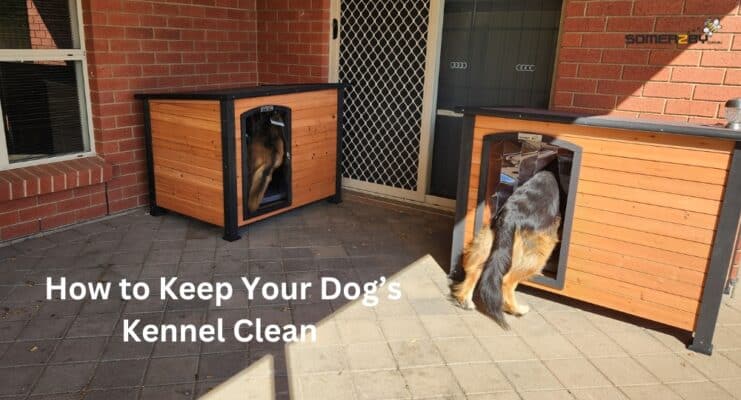
Location matters. Set the kennel up in a quiet, low-traffic area of your home where your dog won’t be startled by constant noise or activity. Avoid placing it near loud appliances, busy doorways, or areas where they might feel isolated. Ideally, it should be somewhere calm such as a quiet corner of a patio or under a set of stairs. This way your dog will still feel securely connected to the household, rather than shut away.
Simple Steps to Stop Kennel Chewing
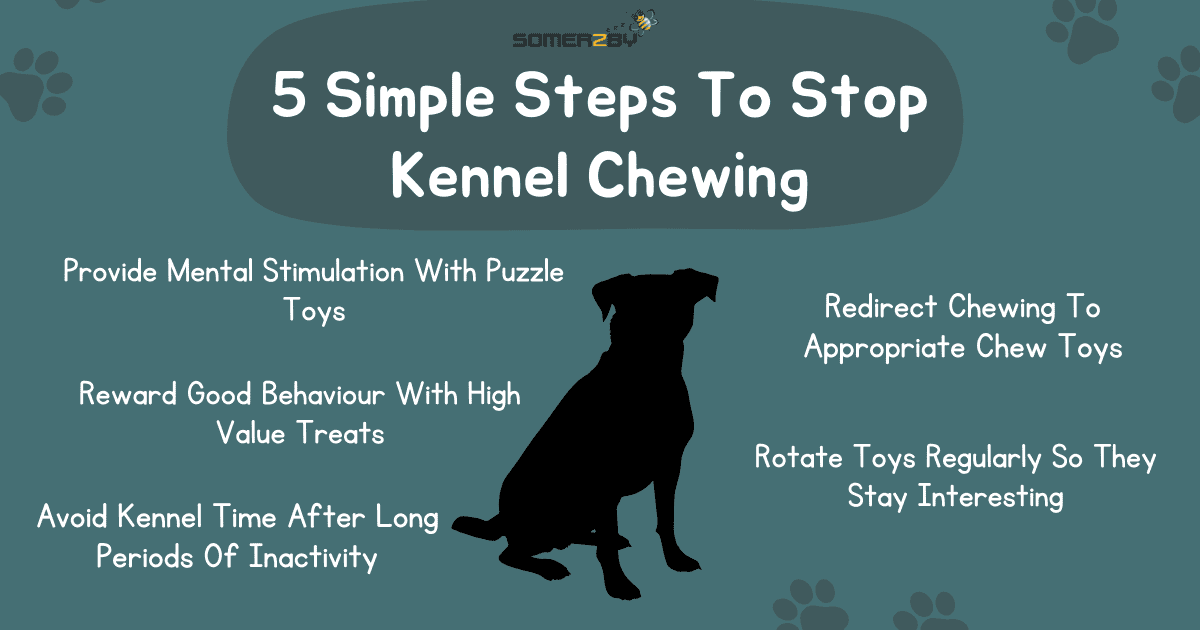
Kennel chewing usually isn’t bad behaviour, it’s a sign your dog is bored, anxious, or hasn’t yet learned what is okay to chew. The good news is that a few small, consistent changes can make a big difference.
1. Increase Exercise and Mental Stimulation
A well-exercised,, mentally stimulated dog is far less likely to chew out of frustration.
- Make sure your dog gets enough daily physical exercise
- Add mental stimulation like puzzle toys or training games
- Avoid kennel time immediately after long periods of inactivity
Chewing often stops once excess energy and boredom are addressed.
2. Redirect Chewing to the Right Toys
Dogs need to chew as it’s an instinctive behaviour that keeps their teeth clean, relieves stress, provides mental stimulation, and helps puppies manage the discomfort of teething.
The goal is to teach them when it’s appropriate and when it’s not.
- Place durable chew toys inside the kennel before your dog goes in
- Rotate toys regularly so they stay interesting
- If you catch your dog chewing the kennel, calmly offer them a chew toy instead
???? Tip: Treats designed for long-lasting chewing such as bully sticks, or treat-dispensing toys work especially well in kennels.
3. Reward Calm Kennel Behaviour
Dogs repeat behaviours that get rewarded, so make sure to reward calm kennel time.
- Give high-value treats that your dog likes when they enter the kennel calmly without showing any chewing behaviour.
- Praise relaxed behaviour like lying down or chewing a toy
- Keep rewards low-key to avoid over-excitement as creating too much excitement can undo the calm behaviour you’re trying to reinforce
Over time, your dog learns that being calm in the kennel = good things happen.
4. Use Short, Positive Kennel Sessions
If your dog struggles in the kennel, start small and build up slowly.
- Begin with very short stays (even 1–2 minutes)
- Stay nearby at first, then gradually increase the distance and time you stay nearby
- Always end sessions on a positive note with praise or treats
This gradual conditioning helps prevent stress and reduces destructive chewing.

Crate Training
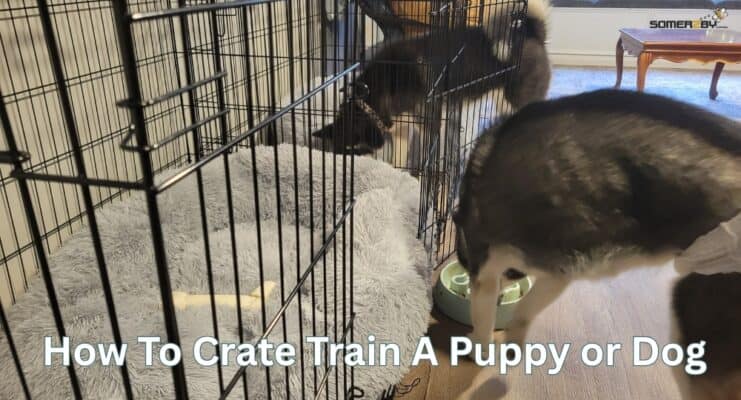
If your dog is chewing because it has separation anxiety, crate training can be an effective solution, by providing a safe space to retreat to when it is alone or feeling anxious.
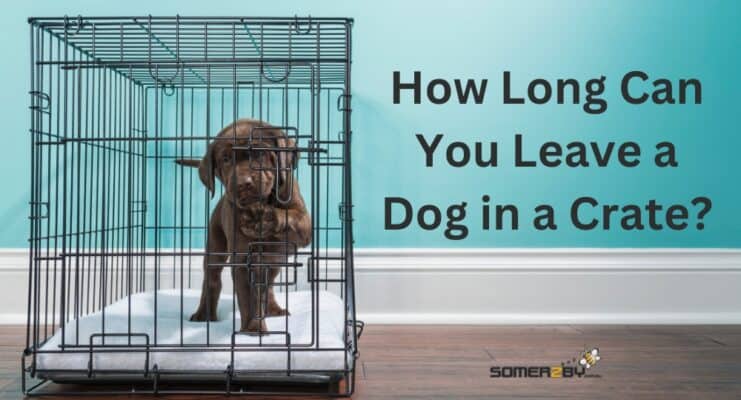
If you are away for long periods, it’s important to leave the crate door open. Your dog needs the freedom to move around, stretch, and access a designated bathroom area. In these situations, the crate can still be left open so your dog can choose to go in and out as they please.
Check out our range of dog crates by clicking here.
What Not to Do
Some common approaches can actually make the problem worse or increase your dog’s stress. Avoid these mistakes to set yourself up for success:
- Physical punishment is never a way to train your dog. Kicking, smacking or hitting your dog can increase fear and anxiety, which often makes the behaviour worse, not better.
- Avoid scare-based chewing deterrents. These are not recommended as although they might stop chewing briefly, it won’t fix the problem entirely and can also affect your dog’s trust.
- Don’t ignore the root cause and hope your dog will grow out of it. Understanding the reason behind the chewing is essential for a long-term solution.
Support Chewing Preventation Training With Somerzby Products
Stopping your dog from chewing their kennel is much easier when you provide the right support tools and environment. Somerzby offers products designed to make training easier and more effective, while keeping your dog happy and comfortable:
- Safe Kennels: Somerzby dog kennels are made from untreated Chinese fir wood, which is naturally resistant to rot, and coated in water-based, non-toxic stain. If your dog does happen to chew the wood, you can feel confident knowing our kennel materials are completely safe.
- Durable Chew Toys: Giving your dog something satisfying to chew on can help redirect their chewing away from the kennel.
- Comfortable Bedding: Transform the kennel into a space your dog genuinely enjoys by creating a comfy and inviting environment that reduces boredom and anxiety, two common triggers for chewing.
- Treats For Positive Reinforcement: Rewarding calm behaviour is one of the fastest ways to build good habits.
With the right combination of safety, comfort, and rewards, Somerzby products help your dog learn faster and enjoy their kennel. In time, dog kennel chewing will be a thing of the past!
FAQ
Why does my dog only chew the kennel when I’m not home?
Most dogs chew their kennel when left alone due to separation anxiety, boredom, or pent-up physical energy. When you’re physically not there, they may feel stressed or under-stimulated, and chewing becomes a way to cope or keep themselves occupied to pass time.
Is kennel chewing a sign of separation anxiety?
Yes, kennel chewing can be a strong sign of separation anxiety, especially if it only happens when your dog is alone. Dogs often chew their kennel as a way to cope with stress and frustration.
Should I take the kennel away if my dog keeps chewing it?
Taking the kennel away can make anxiety worse as you are essentially removing the dog’s “den”. Instead of taking it away, divert their energy to dog toys by adding some interactive puzzle or chew toys into their kennel. .
How long does it take to stop kennel chewing?
The timeline largely varies by the root cause. Boredom-based chewing can often be corrected in 1-2 weeks with increased exercise and mental stimulation whereas anxiety based chewing generally requires 4-8 weeks of consistent training.
Can puppies grow out of chewing their kennel?
While most puppies eventually outgrow chewing their kennel after the teething phase (around 6 months), the habit can become “set” if not redirected.. Early behavioural reinforcement is vital for this reason. However, if a puppy learns that chewing the kennel gets them attention, even if it’s negative, the bad behaviour may stick with them until their adult years.
Toni’s Wrap
Chewing is a natural instinct for dogs; it helps them explore, relieve stress, and keep their teeth healthy. As a dog owner, I’ve learned that while chewing is normal, it’s important to teach them what’s okay to chew and what isn’t.
Understanding why your dog chews allows you to redirect their behaviour effectively, using a mix of knowledge, praise, and their favourite treats.
Related Blogs