


Aug
 ChatGPT
 Claude
 Perplexity
 Grok
Grok
 Google AI
 You
You
 WhatsApp
 LinkedIn
Egg eating is a more common problem among backyard chickens than many people realise, and it can be really frustrating for those dealing with it. When laying hens start eating their own eggs, it can be frustrating because it means fewer fresh eggs for you and your family to enjoy.
While this behaviour isn’t harmful to the hens themselves, it’s important to address it early to prevent it from becoming a difficult habit to break. It can also be a sign that your chickens are stressed or experiencing a health issue that needs your attention.
Key Takeaways
- Egg eating often begins due to stress, overcrowding, nutritional deficiencies, boredom, learned behaviour or broody hens breaking eggs.
- Prevent egg eating by gathering eggs frequently, providing a diet rich in protein and calcium, and reducing stress through adequate space and enrichment.
- Egg eating not only reduces the number of fresh eggs you can collect but also creates stress within the flock, which can cause hens to lay fewer eggs over time. The behaviour tends to spread quickly from one hen to others and may indicate underlying nutritional deficiencies that need addressing.
Common Causes of Egg Eating Behaviour
Egg eating is a common frustration for backyard chicken keepers, and understanding the causes can help you address it effectively.
Stress or Overcrowding
When backyard flocks feel stressed or anxious, their normal behaviour patterns can become disrupted. This may lead to frustration, which sometimes results in egg breakage when hens peck at and eat their eggs.
Common sources of stress include predator threats, overly curious pets or children, overcrowded living conditions, or sudden changes to their routine.
Nutritional Deficiency
Eggs are highly nutritious not just for humans, but for chickens too! If your hens aren’t getting enough of certain nutrients, they may start eating their eggs to compensate.
Calcium deficiency is one of the most common triggers. Calcium is essential for strong eggshell formation. When laying hens don’t get enough from the diet you provide them, they may instinctively seek it out by eating eggs. Weak shells are also more likely to crack, making the eggs more tempting to eat.
Protein deficiency can have a similar effect. Protein is critical for overall health, feather growth and egg production. If their diet is lacking, chickens may view eggs as an easy source of protein.
Boredom or Lack of Enrichment
Chickens are naturally curious animals that need regular mental and physical stimulation to stay happy and healthy. Without enough space to explore, things to peck at or opportunities to forage, they can quickly become bored. This boredom can lead to destructive behaviours, including pecking at their own eggshells.
Learned Behaviour
Egg eating can quickly spread through a backyard flock. Once one hen begins breaking and eating eggs, others often observe and imitate the behaviour, leading to a wider problem. Chickens are highly observant and will copy actions that appear rewarding.
This behaviour can also be unintentionally encouraged by humans. Feeding chickens raw eggs (even if they are completely removed from their shells) can teach them to associate eggs with food, prompting them to peck at and consume their own freshly laid eggs.
Broody Hens and Broken Eggs
A hen is considered “broody” when her natural instinct to sit on and hatch eggs takes over. Even if the eggs are unfertilised and cannot hatch, her strong maternal drive compels her to remain in the nest and guard them.
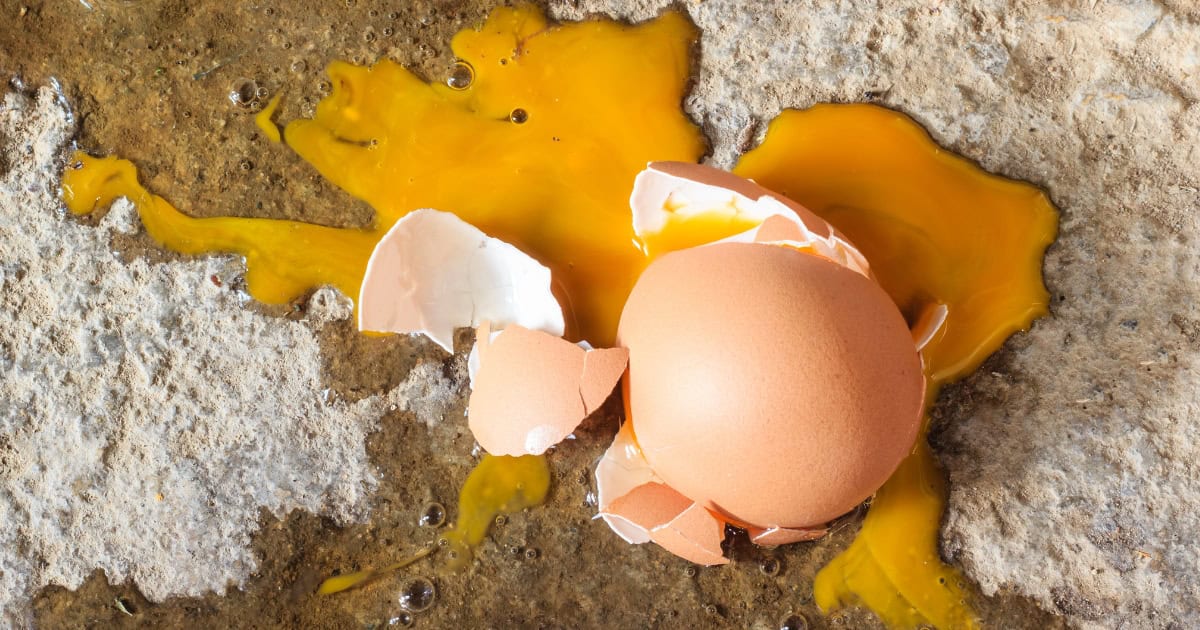
When these eggs fail to hatch, broody hens can become frustrated or restless. This frustration may lead them to peck at the eggs, accidentally breaking them. Once an egg is broken, it becomes an easy target for the hen to eat, and this can turn into a repeated behaviour.
How to Stop Chickens Eating Eggs
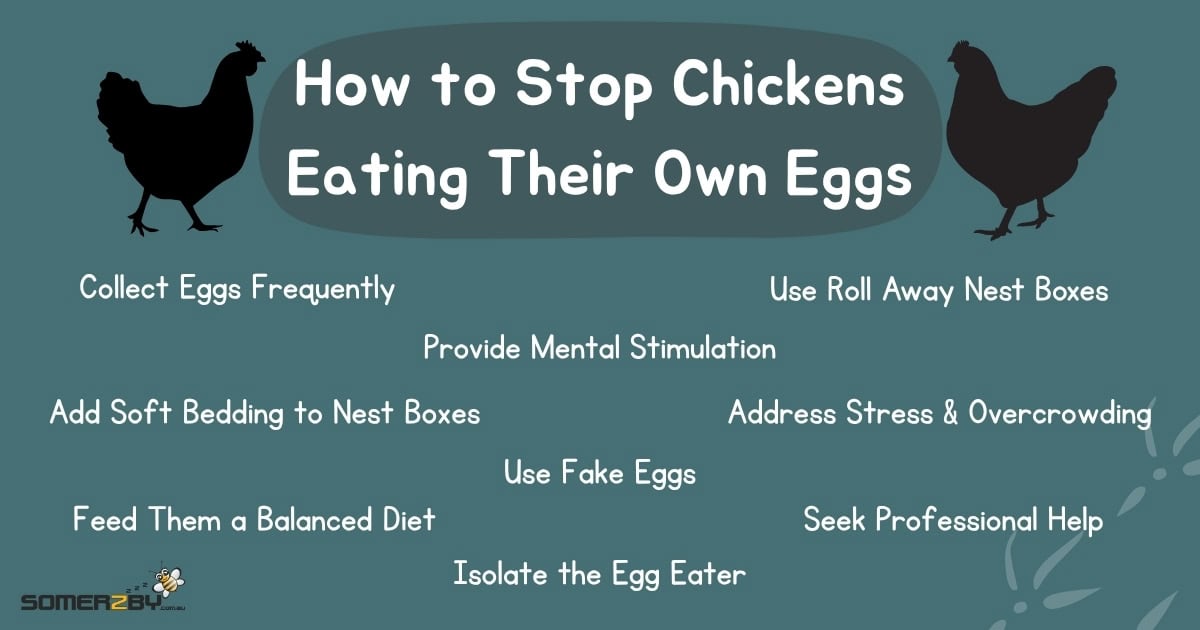
Once chickens start eating their eggs, it can quickly become a difficult habit to break. If backyard chicken keepers notice egg eating, they should act quickly using the steps below. The longer you wait, the harder it is to break the egg eating habit!
Collect Eggs Frequently
The most effective way to prevent egg eating is to collect eggs regularly throughout the day. Aim to check for eggs two to three times daily. While most hens lay in nesting boxes, it’s important to also inspect less obvious spots including hidden corners of the coop or around the yard if your flock free-ranges.
Hens typically lay in the early morning and early afternoon, so collecting eggs during these times helps minimise the chance of them being broken or eaten. Regular collection also reduces broodiness, which in turn lowers the risk of eggs being pecked or damaged.
Ensure Proper Nutrition for Your Chickens
Hens that are deficient in protein may turn to eggs as an easy source of nutrition. Most laying hens require a feed containing around 16% protein. If their feed is lacking, you can supplement it with protein-rich treats such as dried meal worms, yoghurt, sunflower seeds or meat scraps. Cooked eggs can also be offered safely, but raw eggs should NEVER be given, as this can teach hens to associate their own eggs with food.
Calcium is another key factor. Low calcium levels not only increase the risk of hens eating eggs but also lead to weaker eggshells, which are more prone to breaking. Providing calcium supplements or crushed oyster shells strengthens egg shells and helps prevent accidental egg breakage.
Add Soft Bedding to Nesting Boxes
Egg eating often begins when eggs accidentally crack and hens discover their contents. To reduce this risk, line your nesting boxes with plenty of soft bedding to cushion the eggs and prevent breakage.
A thick layer of straw, shredded paper or wood shavings works well. For extra protection, you can use two layers. For example, a base of wood shavings topped with straw. This creates a softer surface, reducing the chances of cracked eggs and triggering egg eating behaviour.
Use Roll Away Nesting Boxes
Roll-away nesting boxes are designed with a slight slope so that when a hen lays an egg, it gently rolls into a covered collection area out of the flock’s reach.
By keeping freshly laid eggs safely contained, these boxes prevent laying hens from accessing or pecking at them. They also reduce the risk of accidental egg breakage, as they are quickly moved away from the nesting area.
Increase Enrichment and Mental Stimulation
Giving your chickens exciting things to see and do each day can keep them busy, lowering the chance of them pecking and eating their eggs. Enrichment ideas include:
- Creating dust bathing areas
- Adding new swings, shelves or branches to sit on
- Hiding treats they can forage for
- Hanging a lettuce or pieces of fruit for them to peck at
Rotate these activities regularly to keep them fresh and engaging for your flock.
Address Stress and Overcrowding in the Coop
Reducing stress and overcrowding in your coop can significantly decrease egg eating behaviour. Ensuring your hens have adequate space helps them feel more relaxed and less competitive over the same nesting boxes.
This can be achieved by upgrading to a larger coop, adding an extension run onto your existing coop to increase floor space, or setting up multiple coops to separate groups of hens if needed.
Use Fake Eggs or Egg Decoys
After collecting eggs, replace them with fake eggs. Most hens cannot distinguish between real and decoy eggs. When they peck at the fake eggs and find nothing rewarding, they should gradually lose interest in pecking their real eggs.
Fake ceramic or wooden eggs are available at most farm supply stores. Golf balls or plastic Easter eggs can also work as cost-effective substitutes.
Be sure to clean the decoys regularly and replace them if they become damaged or dirty, especially if your hens spend a lot of time sitting on or pecking them.
The Mustard Egg
Another decoy technique involves carefully poking a small hole in the egg, draining the contents then filling the hollow shell with yellow mustard or another sauce that chickens typically dislike. Then, place the treated egg back into the nesting box.
When a hen pecks at the egg, she will taste the unpleasant mustard, which can discourage her from eating eggs in the future.
Our customers report mixed success with this, some reporting their chickens didn’t mind eating the mustard. Plus, it’s important to avoid using any substances that could be harmful to your chickens.
Isolate the Egg Eater to Prevent the Behaviour from Spreading
Because egg eating can quickly spread through a small flock, it’s important to isolate any hen you catch in the act. Temporarily moving her to a separate chicken coop (such as the Cottage Coop) can help break the habit without exposing other hens to the behaviour.
Be mindful that reintroducing an isolated hen can be challenging, as flock dynamics may shift during her absence.
If you’re unsure which hen is responsible, observe the hen house during early afternoon and look for signs such as dried egg residue on a chicken’s beak or face.
Seek Professional Help
If egg eating chickens persist despite your best efforts, it may be time to seek advice from a veterinarian or poultry expert. Professional help can be useful if:
- Egg eating is persistent or worsening
- Behavioural solutions have been applied consistently but are not helping
- You suspect an underlying health issue, such as nutrient deficiencies or illness
A veterinarian can examine your hens, run tests to check for nutritional imbalances or health problems, and provide tailored advice or treatments to address the root cause.
Be aware that if only one or two hens are responsible, some professionals may suggest culling them. However, we generally don’t recommend this for pet chickens. Instead, isolating the problem hens is a more humane alternative to protect your flock without resorting to culling.
How Egg Eating Can Impact Your Flock
Egg eating isn’t just frustrating because it means fewer fresh eggs for you to collect and enjoy. It can also have negative consequences for your flock.
Reduced Egg Production
Egg eating hens will damage or consume their own freshly laid eggs before you can collect them. The presence of broken eggs and increased activity in the nesting boxes can also cause stress, making hens feel uneasy and less inclined to lay regularly, which further reduces overall egg production.
Risk of Spreading the Behaviour to Other Chickens
Egg eating can quickly become a learned behaviour within the flock. If one hen starts eating eggs, others often copy her, turning a small problem into a widespread issue and dramatically dropping the number of eggs you receive.
Nutritional Imbalance
Hens may start eating eggs because they instinctively seek nutrients like protein or calcium found in the yolk and shell. However, relying on eggs instead of a balanced diet can lead to further deficiencies, trapping the flock in a cycle of poor nutrition and ongoing egg eating.
FAQ
Is it okay if my chicken eats its own eggs?
Yes, eating eggs is not harmful to chickens. Eggs are highly nutritious and provide protein and calcium, which hens naturally need. However, the behaviour is a bad habit because it reduces the number of eggs you can collect and can quickly spread to the rest of the flock. Over time, it may also disrupt laying habits and it also may indicate underlying issues such as stress or dietary deficiencies.
Can you give chickens raw eggs?
It’s not recommended to give chickens raw eggs. While nutritionally safe, feeding raw eggs can create a bad habit by teaching hens to associate eggs with food, encouraging them to eat their own eggs. However, boiled eggs can be safely offered as a yummy snack without promoting egg eating behaviour.
How can I tell which chicken is eating the eggs?
Watch your flock closely during peak laying times, usually early morning and early afternoon. You could even set up a camera to monitor them.
Egg eating hens often spend more time in the nesting boxes and may have dried egg residue or yolk on their beak and face.
Are there specific breeds more prone to eating their own eggs?
Yes, flighty and anxious breeds are more likely to develop egg eating habits due to their higher stress levels. Breeds like Leghorns, Polish and Ancona are known for being nervous and easily stressed, which can lead to egg pecking. Calmer breeds like Orpingtons and Australorps tend to be less prone to this behaviour.
How quickly should I collect eggs to prevent egg eating?
To prevent chickens from eating eggs, it’s ideal to collect fresh eggs from the chicken coop three times a day. However, if that’s not always possible, collecting eggs at least twice daily (especially during early mornings and late afternoons) and replacing them with a dummy egg can still help reduce the risk of egg eating.
Toni’s Wrap
Dealing with egg eating can be really frustrating, but remember, it’s a common challenge that many chicken keepers face. As someone who cares deeply for my flock, I know how upsetting it is to lose precious eggs and worry about your hens’ wellbeing.
The good news is that with patience and the right steps (like improving their diet, reducing stress and keeping a close eye on behaviour) you can help your chickens break this habit. Your flock depends on you, and small changes can make a big difference in keeping everyone happy and healthy.
Related Blogs