



Sep
 ChatGPT
 Claude
 Perplexity
 Grok
Grok
 Google AI
 You
You
 WhatsApp
 LinkedIn
If you’re thinking about adding new chickens to your existing flock, you might be feeling a mix of excitement and uncertainty. It’s a big step, and it’s completely normal to feel a bit unsure about how to go about it. Chickens are intelligent, social animals, but they’re also territorial. Your existing flock is likely to see new arrivals as intruders, and without a careful introduction, this can lead to stress, bullying, or even injury.
Many chicken owners have their go-to methods for introducing new birds, and certain techniques have proven more successful than others. Whether you’re expanding your backyard flock or rescuing a few hens, patience and care are key.
In this guide, we’ll share the most reliable ways to introduce new chickens, what to watch for during the adjustment period, and how to handle signs of aggression or stress.
Key Takeaways
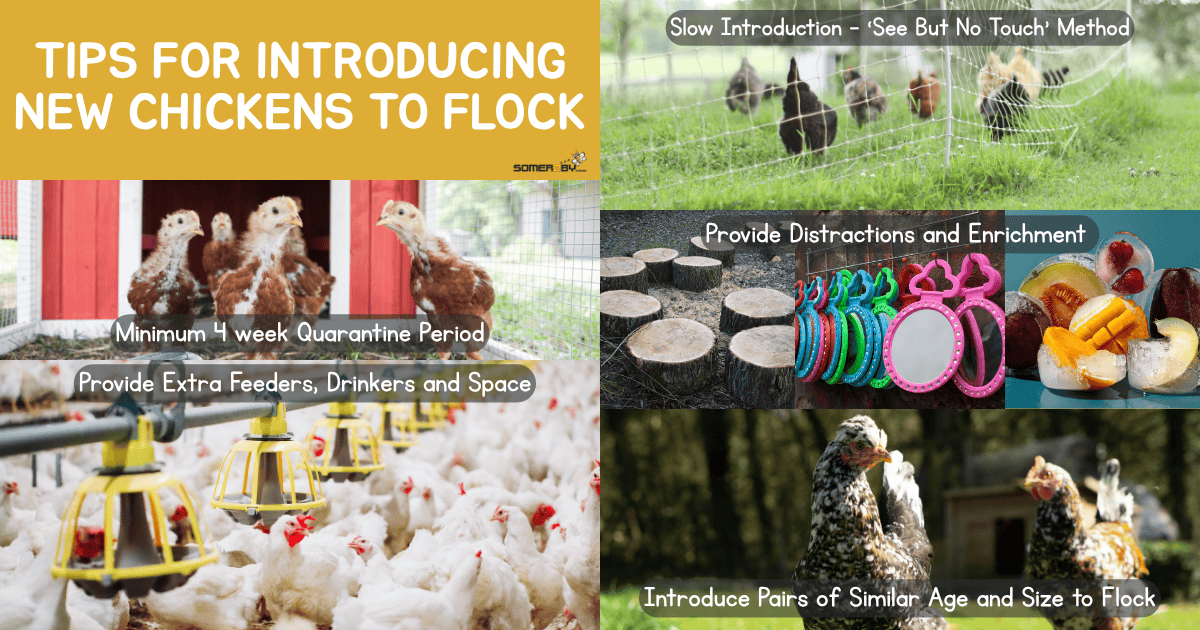
- Keep new birds quarantined for at least 4 weeks to prevent spreading diseases or parasites to your flock.
- Use the “See But Don’t Touch” method for 10–14 days before supervised mixing to reduce aggression.
- Add new chickens to the coop after dark when the flock is calmer, making integration smoother.
- Introduce birds that are similar in size and age to prevent bullying and injury.
- Avoid overcrowding by ensuring enough coop/run space and multiple feeders and drinkers.
- Expect some pecking, but step in if you see signs of excessive bullying, injury or stress.
Tips For Introducing New Chickens to Flock
When introducing new chickens to your flock, it’s important to follow a few key tips to ensure a smooth and successful transition.
Ensure Adequate Space and Food In Chicken Coop
Before adding new chickens to your flock, it’s vital to ensure there is enough space and resources for everyone. Overcrowding can lead to stress, frustration, and territorial aggression, especially among dominant birds in the pecking order. Chickens may start pecking, bullying, or fighting if they feel cramped or if food and water are limited.
As a general guideline, provide at least 1m² of outdoor run space and 0.4m² of indoor coop space per chicken. To avoid competition and conflict, add additional feeders and drinkers, ensuring at least 1 feeder for every 4 chickens. This gives every bird equal access to feed and fresh water, helping maintain a peaceful and healthy flock.
Health Checks and Quarantine New Chicken
When bringing home new chickens, you MUST quarantine them in a separate coop or area, well away from your existing flock, for at least 4 weeks. This isolation period protects the flock from contagious diseases or parasites such as mites or respiratory infections from quickly spreading to the entire flock. During quarantine, perform regular health checks to:
-
Inspect for external parasites
-
Monitor breathing for signs of illness
-
Check overall behaviour and appetite.
You do not need to quarantine chicks that are hatched from your own healthy flock. However, introducing an unquarantined or unvaccinated bird puts your entire flock at risk of serious outbreaks like Marek’s disease or mite infestations. Quarantine is a critical step to protect your flock’s long-term health.
Choosing the Right Time for Chicken Introduction
Choosing the right time to introduce new chickens is key to a successful and stress-free transition. Chickens are territorial animals and are more likely to fight when the sun is up, as they are fully alert and active. In the evening, your flock becomes naturally calmer and more docile as they prepare to roost.
The best time for introductions is in the evening or when it’s dark, especially after the chickens have been fed. Placing the new birds directly into the coop at night allows them to wake up alongside the existing flock, helping to reduce aggression and ease the integration process.
Gradual Introduction: The “See But Don’t Touch” Method
After completing the quarantine period, the next step is to gradually introduce your new chickens to the existing flock using the “See But Don’t Touch” method. This approach allows both groups to become familiar with each other without the risk of physical contact or injury. It helps reduce stress, territorial aggression, and pecking order disputes.
There are TWO common ways to do this:
-
Use a metal dog crate: Place it in a corner of the coop or run so the new chickens can only be approached from two sides. This limits the chance of them being surrounded. Wrap the crate in wire mesh if the bar spacing allows other birds to peck through. Ensure your new birds have access to plenty of water and food.
-
Set up a separate pen or coop: Position it next to the existing coop or inside the run, ensuring all chickens can see one another. Place feed and fresh water near the shared barrier to encourage positive association while eating.
Keep the birds separated in this setup for 10–14 days. Once your flock starts to ignore the new chickens and there are no signs of aggression, you can begin supervised mixing, eventually transitioning to full integration in the same coop.
Post-Introduction Care
After new chickens are introduced, your job shifts from managing the introduction to supporting a smooth, lasting transition. The flock may take anywhere from a few days to a few weeks to fully settle, and during this time, careful monitoring is essential. Focusing on flock dynamics, enrichment, and ongoing health will help ensure long-term harmony and well-being.
Monitoring Flock Dynamics
After introducing the new chickens, the first few days are crucial and should be closely monitored to ensure the flock settles into a balanced and healthy dynamic. You will need to supervise and keep a lookout for any signs of aggression or stress. Expect a fair amount of pecking and chasing; this is normal behaviour as they work out their new pecking order. However, keep an eye out for excessive bullying, injuries, or chickens that are hiding, as these can be signs of trouble.
Providing Enrichment or Distractions
When introducing new flock members, it’s normal to see some ruffled feathers as the pecking order is re-established. One effective way to ease this transition is to provide distractions. When your existing chickens are busy exploring new things, they’re less likely to pick on or act aggressively toward the newcomers.
We recommend adding enrichment items to the coop or run. These encourage natural behaviours like scratching, pecking, climbing, and exploring which help reduce boredom, stress, and tension. Here are some easy distraction ideas to try:
-
Hay or straw piles for scratching and foraging
-
Mirrors to grab their attention and spark curiosity
-
Wind chimes or musical toys for sensory interest
-
Ladders and perches for climbing and resting
-
Piles of dry leaves to dig through
-
Treats: hang them, freeze them, or hide them inside enrichment toys
Adding even a few of these can help redirect energy, reduce aggressive behaviour, and support a calmer, more successful introduction of your new flock members.

Ongoing Health Monitoring
Your hens are intelligent animals, and changes in their behaviour can be an early sign that something isn’t right. Ongoing health checks are essential, especially if your new chickens weren’t quarantined for at least four weeks or showed any signs of illness during that time.
Be vigilant in the weeks following their introduction, keeping a close eye out for signs such as respiratory issues (e.g. wheezing or laboured breathing), weight loss, or lack of appetite. Regular physical health checks throughout the year are one of the best ways to ensure your flock stays healthy.
Watch for behavioural changes too, such as a drop in egg production, which could be due to stress, illness, or environmental factors like a dirty coop. To support a healthy flock, consider adding additional feeders or switching to a higher-protein or calcium-rich diet during moulting season, when nutritional needs shift.
Understanding Chicken Social Dynamics
Chickens have a complex social structure that can be both fascinating and challenging to manage, especially when new birds are introduced. By understanding how the pecking order works and knowing when to step in, you can help your flock establish a stable, healthy hierarchy with minimal stress.
New Pecking Order Explained
The term ‘pecking order’ refers to the system chickens use to create their social ranking. This ranking system determines who eats first, who gets the best roosting spots and who leads the group. The pecking order is determined literally by pecking each other!
Chickens are territorial by nature and view all new birds as ‘outsiders’ when introduced. Your existing flock may see them as a threat, either to their safety or limited resources like food and water. As a result, the new birds must find their place in the social order, which usually involves some pecking, chasing, squawking, or flapping wings. This behaviour is normal and part of how chickens establish order, but it can look alarming to new chicken keepers.
Make sure to supervise the first few days after full introduction and only step in when you see serious injury or blood. Once things start to settle, you’ll notice the new chickens can eat, drink, and roost without being constantly pushed away. With patience and proper management, the flock will usually sort itself out within 4 weeks.
Signs of Aggression and Stress: When Should I Intervene?
When you watch your backyard chickens closely, you may notice signs of aggression, and stress such as excessive pecking, feather pulling, chasing, and loud squawking. Other red flags include hens being cornered, hiding, or avoiding food and water. Signs of stress can also include a drop in egg production, pale combs, and feather loss unrelated to moulting. These behaviours often indicate that the pecking order has turned hostile rather than being a normal part of flock dynamics.
If you notice a chicken bleeding, losing excessive feathers, or acting withdrawn and lethargic, it is time to intervene. Safely separate the injured or bullied bird into a crate or inside a wire barrier within the coop. Keep them there until they have healed or calmed down. You will need to reintroduce your hen slowly so that the entire flock has time to readjust and accept the separated bird back into the group.
To minimise stress, increase the run size or provide multiple feeding and watering stations to reduce competition. Offer environmental enrichments such as perches, dust baths, or hanging greens to distract and calm your backyard chickens. Proper spacing and visual barriers can help them feel secure and reduce conflict.
Considerations When Introducing New Chickens
Introducing new chickens can be a big change for your flock, but it doesn’t have to be stressful. With a bit of thought, like matching their size and age or adding more than one at a time, you’ll set everyone up for a smoother start.
Only Introduce Chickens of a Similar Size and Age
Chickens of different ages and sizes struggle to integrate because the younger, smaller birds are seen as ‘outsiders’ and may be relentlessly pecked or chased by dominant adult birds. They often get pushed away from food and water, have fewer safe places to roost, and can become stressed or injured. This constant pressure can weaken their immune system, stunt their growth, and make the integration process much longer and more difficult.
Birds that look and act alike are less likely to trigger aggressive behaviour. Introducing birds in small groups rather than singles can also help them feel more secure and prevent targeting.
Introducing New Birds As a Pair or Group
When introducing new birds to your flock, it’s best to add them as a pair or group rather than one at a time. Introducing more than one at a time helps balance the pecking order dynamics by spreading out attention and reducing aggression from the existing flock. This method prevents any one bird from being severely bullied and helps the newcomers settle in more comfortably. This will also encourage the flock to adjust as a group, rather than singling out one bird as an outsider.
FAQ
How long does it take for chickens to accept new chickens?
After the quarantine period, an established flock will typically take anywhere from a few days to a few weeks to settle into a new pecking order.
How to stop chickens from pecking new chickens?
To prevent chickens from pecking at new chickens, use the “See but No Touch” method to allow your flock to get used to the newcomers safely. Provide plenty of space to reduce stress and aggression, and add distractions like hanging treats or scatter feeding to redirect pecking behaviour. Create safe areas with hiding spots or visual barriers so new birds can escape if needed.
At what age can I introduce new chicks to an existing flock?
The best age for pullets to be introduced is when the new birds are of similar size (10+ weeks) to the flock, as they will be able to protect themselves during the pecking order process. If you have aggressive adult birds, you’ll want the young birds to be 90% grown, around 16-18 weeks, before introducing them.
Can I introduce just one chicken to my flock?
Yes, you can introduce just one chicken to your flock, but it comes with challenges. A lone bird will attract the full attention of the existing flock, making her more likely to be pecked, chased, or excluded. Without a companion, she’ll have no support and may struggle to find her place in the pecking order. To reduce stress, consider pairing the new bird with one of your most docile hens for a few days before introducing both to the flock.
Can I introduce new chickens during moulting season?
No, it’s not a good idea to introduce new chickens during moulting season. Moulting is a stressful and vulnerable time when chickens need extra nutrients to regrow feathers. Adding newcomers can increase aggression and competition for food. Avoid triggering unnecessary infighting and wait until your flock has fully recovered from the moult.
Toni’s Wrap
As a chicken owner, I’ve found that successfully introducing new chickens to my flock takes patience and planning. I always start with a 4-week quarantine period to keep my existing flock safe from any illness. For this, I use my Cottage Coop, which is set up separately from the main flock. After that, I let the two groups see each other through a barrier for about two weeks using the “See But Don’t Touch” method. When it’s finally time to mix them, I do so at night after they have eaten, which really helps reduce fights.
I’ve learned that introducing birds in pairs and waiting until they’re a similar size to the rest of the flock makes things go a lot smoother. My main flock lives in the Homestead Coop, and while it usually takes a few weeks for everyone to settle, with a watchful eye, things usually work out just fine.
Related Blogs