


Chickens, How To, Info Guides
Tips On How to Control Chicken Coop Smells

Mar
 ChatGPT
 Claude
 Perplexity
 Grok
Grok
 Google AI
 You
You
 WhatsApp
 LinkedIn
If you’ve found yourself dealing with a smelly chicken coop and are desperate for tips on how to control chicken coop smell, you’ve come to the right place.
Ensuring the air remains fresh not only safeguards your chicken’s well-being but also maintains a pleasant environment for all nearby. Come along as we look into the likely causes of these odours and discover effective ways to fix them.
I’ll share my tips for maintaining a fresh coop, including essential cleaning routines, natural remedies, and how simple dietary changes can make a big difference.
So let’s discover the most effective techniques to control chicken coop smells and transform your coop into a more pleasant environment for both your feathered companions and yourself!
Causes Of Chicken Coop Odours
Chicken coop odours are a mix of ammonia production from urine, chicken poop, and decomposing bedding material. These smells can quickly become overwhelming if not managed properly.
The bad smell is not only unpleasant for us humans, but it is also a risk to your chicken’s well-being. Understanding the main causes of these smells is key to finding effective solutions for keeping them under control.
From choosing the right bedding materials to adjusting diet—every little bit helps towards a fresher smelling coop.
Basic Hygiene Practices for Odour Control
Keeping your chicken coop clean isn’t just about physical appearance, it is an important role in odour management and maintaining your chicken’s wellbeing. Consistently eliminating waste and updating the bedding are crucial measures.
Regular Cleaning
You can start by removing soiled bedding and droppings- I find doing this every few days is best. This prevents ammonia build-up, which is a primary source of pungent smells.
Bedding Choice
Providing fresh bedding after cleaning helps maintain a dry environment by absorbing moisture and keeping odours at bay.
Choose materials like paper or wood shavings for their absorbency and ability to decompose effectively in compost.
Feed Probiotics
Giving probiotics to your chickens can help prevent chicken coop smell by enhancing their gut microflora which reduces the odour level of their waste.
Deep Litter Method
The deep litter method involves regularly adding new layers of bedding material, such as straw, wood shavings, or shredded paper, on top of existing bedding rather than completely cleaning out the coop.
The microbial activity in the deep litter helps break down the chicken waste more efficiently, further reducing smell.
Ventilation
Ensuring proper air circulation can significantly decrease moisture and control humidity and ammonia levels, which are key contributors to unpleasant smells in coops.
Waste Management
Composting chicken waste or disposing of it away from the coop prevents odour buildup, maintaining a fresh environment in your coop.
This recycles their waste into useful compost, contributing to a healthier environment and sustainable waste management.

Choose the Right Bedding Material
When it comes to controlling odours in your chicken coop, selecting the right bedding material is key.
Not all bedding types are created equal; some absorb moisture and neutralise odours better than others.
Pine shavings: Pine shavings are not only absorbent, they also have a natural scent to help mask odours. It’s important to ensure that the pine shavings are specifically designed for animal bedding and are free from any harmful chemicals or toxins.
Hemp bedding: Rising in popularity, hemp bedding offers superior absorbency and minimal dust, ideal for a dry, odour-free coop. Its natural antimicrobial properties further aid in odour control. However, it does tend to be pricier than traditional options.
Shredded Paper: My personal favourite and ideal for those exploring sustainable practices, recycled paper products provide an eco-friendly alternative that’s both absorbent and compostable. However, they need regular replacement as they break down quickly when wet.
Sugar Cane Mulch: Sugar Cane Mulch is becoming increasingly popular as a substitute in chicken coops. Comparable to pine shavings in absorbency and odour control, it’s also safe for chickens.
For more information regarding types of chicken coop bedding check out the Coops and Cages guide on Best Chicken Coop Bedding.
How To Control Chicken Coop Smell With Natural Remedies
Using natural remedies can be a great way to tackle chicken coop smells without resorting to chemicals, offering a more environmentally friendly approach to keeping things fresh.
One effective method is using fresh herbs like lavender, mint, and rosemary inside the coop. These herbs not only smell nice, but they also have antibacterial properties that help keep the coop clean as well as making a safe and tasty treat for your chickens to enjoy.
Diatomaceous earth, derived from fossilized diatoms, works wonders for combating chicken coop odours. It absorbs moisture and neutralises smells without any harsh chemicals.
Baking soda sprinkled on the coop floor before adding new bedding material can absorb odours without harming your chickens. Adding this simple and budget-friendly touch to your chicken’s home will help keep your chicken coop smelling fresh.
Diet Adjustments to Minimise Smells
Adjusting your chicken’s diet can make a big difference in controlling odours in your coop. What your chickens eat affects the smell of their waste, so making small changes to their diet can help keep their living space smelling fresh.
Feeding them a balanced diet rich in grains and vegetables, while limiting high-protein feeds can reduce odour intensity. The difficulty in breaking down proteins results in more pungent waste emissions.
Adding probiotics into their diet also plays an important role by boosting the digestive process, enhancing how nutrients are absorbed and reducing smelly droppings.
How Chicken Coop Design Can Prevent Odours
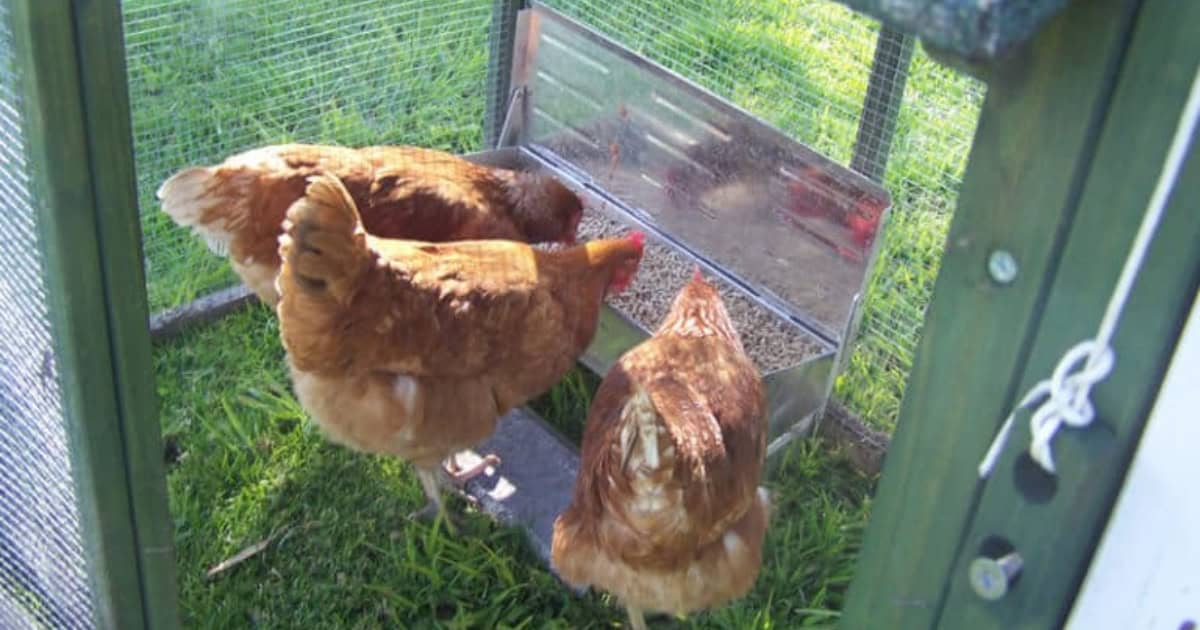
Designing your chicken coop with care is crucial to avoiding a stinky coop. Choosing a coop that has windows or vents on opposite walls allows the flow of air from one side to the other ensuring that musty air is replaced with refreshing currents.
But remember, these openings need secure meshing to keep predators at bay while letting air flow freely. Elevating the coop off the ground also helps by reducing humidity levels inside – a major contributor to odour buildup. It also makes cleaning underneath much easier.
Pull-out trays make cleaning up chicken waste easier by simplifying the cleaning process and reducing the buildup of smelly bacteria.
Having a coop with sufficient nesting boxes encourages hens to lay eggs in a designated area, keeping them clean and separated from waste, which helps to reduce odours in the chicken coop.
FAQ
What are the health risks of chicken coop odours?
Chicken coop odours primarily arise from ammonia production, which can pose several health risks. High ammonia levels can cause respiratory issues for both chickens and humans, leading to conditions like conjunctivitis and damage to lungs or mucous membranes. Ensuring proper ventilation and regular cleaning can help reduce these risks significantly.
What are the signs of poor chicken coop hygiene?
Signs of poor chicken coop hygiene include a strong ammonia smell, wet or clumped bedding, an abundance of pests, and visible filth or waste around the coop. Chickens showing signs of stress, such as feather loss or reduced egg production, may also indicate unsanitary conditions. Regular maintenance and prompt waste removal are crucial to prevent these problems.
How to compost chicken waste effectively?
To compost chicken waste effectively, mix equal parts of chicken droppings with high-carbon materials like straw or shredded leaves to balance nitrogen content. Regularly turn the compost pile to aerate it and maintain moisture levels similar to a damp sponge. After several months, this method produces nutrient-rich compost suitable for gardens.
What are the signs that my chickens are unhealthy due to odours?
Chickens affected by unhealthy coop conditions may exhibit symptoms such as sneezing, coughing, watery eyes, or laying fewer eggs. Additionally, they could display lethargic behaviour or reduced appetite. Addressing coop odours and ensuring proper care can help alleviate these health concerns.
Can I use essential oils to control chicken coop smells?
Essential oils like lavender or peppermint may be used to help control chicken coop smells, but they should be used sparingly. Certain oils possess antimicrobial properties that can freshen the air, but ensure they are diluted to avoid causing harm to the chickens. Always introduce any new substance with caution, observing for any adverse reactions.
How can I tell if my bedding material is effective?
Effective bedding should remain relatively dry and exhibit good absorbency, reducing moisture and odours in the coop. When your bedding appears to break down quickly or retains strong smells, it may not be functioning effectively. Regular replacement along with a visual and smell test can help ensure optimal conditions.
What are the costs associated with different bedding options?
The costs of bedding materials vary, with straw and recycled paper typically being more affordable, while hemp bedding can be more expensive due to its high absorbency and antimicrobial properties. Pine shavings fall in the mid-range and offer both affordability and effectiveness. Evaluating longevity and need for replacements can help in determining actual costs.
Are there specific breeds of chickens that produce less odour?
Some chicken breeds, like Silkies and Cochins, are known for producing less odour due to their dietary habits and calmer natures. Nonetheless, coop management practices such as diet, cleanliness, and proper ventilation play a crucial role in overall odour control, regardless of breed.
Toni’s Wrap
By following my suggested tips on how to control chicken coop smells you can help to create a more pleasant environment for both you and your chooks.
By maintaining proper ventilation, managing waste effectively, and utilising natural odour-absorbing materials, you can enjoy a cleaner and healthier coop while ensuring the well-being of your chickens.
With these practices in place, you can continue to enjoy time spent with your chickens without the inconvenience of unpleasant odours.
Related Blogs