



Chickens
The Ultimate Beginner’s Guide to Keeping Backyard Chickens

Nov
 ChatGPT
 Claude
 Perplexity
 Grok
Grok
 Google AI
 You
You
 WhatsApp
 LinkedIn
So you’ve decided to start keeping backyard chickens. Welcome to one of the most rewarding hobbies around! If you’re dreaming of fresh eggs every morning, looking for a fun family pet, or just want to put those kitchen scraps to good use, you’re in for a real treat. But before your first chook sets foot in your yard, there’s a bit of groundwork to lay.
In this guide, we’ll explain everything you need to know: choosing and setting up a coop, working out how many chickens to keep, buying and caring for your flock, and feeding them well so they stay healthy and happy. Let’s get cracking!
Key Takeaways
-
A safe, well-ventilated and easy-to-clean coop is essential for your flock’s comfort and your peace of mind.
-
Extra run space allows chickens to stretch, forage and stay happy, especially if they don’t free range daily.
-
Plan your setup according to your backyard, local council rules and what you want from your flock.
-
Choose breeds that match your climate, egg needs and desired temperament.
-
Provide your flock with balanced feed, fresh water, grit, and occasional treats to keep hens healthy and productive.
-
Regular cleaning, natural pest control, strong mesh, secure doors and daily observation protect your chickens from disease and predators while supporting long-term health.
- Choosing the Right Chicken Coop
- How Much Space Do Backyard Chickens Need?
- Before You Buy: Things to Consider
- Choosing Your Chicken Breed
- Setting Up Your Coop
- Feeding Your Flock
- Keeping Your Coop Clean
- Protecting Your Chickens from Predators
- Keeping Your Chickens Healthy
- Your Chickens Will Reward You!
- FAQ
- Toni’s Wrap
Choosing the Right Chicken Coop
Your chicken coop (or chicken house, as it’s sometimes called) is the most important purchase you’ll make as a chicken keeper. It’s your flock’s safe haven: a place to sleep, nest, shelter from the weather, and stay protected from predators. Most chicken owners find that choosing well from the start saves a lot of hassle down the track, and a quality coop setup will serve you for years (and many eggs) to come.
There are countless chicken coop options on the Australian market, so here are some of the must-have features that many backyard beginners prioritise.
Quality & Materials
A high-quality coop gives you peace of mind that your hens are safe even when you’re not around. Look for naturally rot-resistant timber (like Chinese fir wood), galvanised wire mesh to prevent rusting, and a waterproof, asphalt-coated roof to keep things dry in wet weather. Avoid treated timbers, which can be harmful to your pets.
Ventilation
Chicken droppings produce ammonia fumes, so good airflow is essential. Look for a coop with ventilation windows on the enclosed roosting area. These let stale air out without letting in rain or cold draughts.
Easy Cleaning
The easier your coop is to clean, the more often you’ll actually do it! Look for wide-opening doors, a slide-out metal pull-out tray under the roosting area, and an opening nesting box lid so you can collect eggs without crawling inside.
Predator Protection
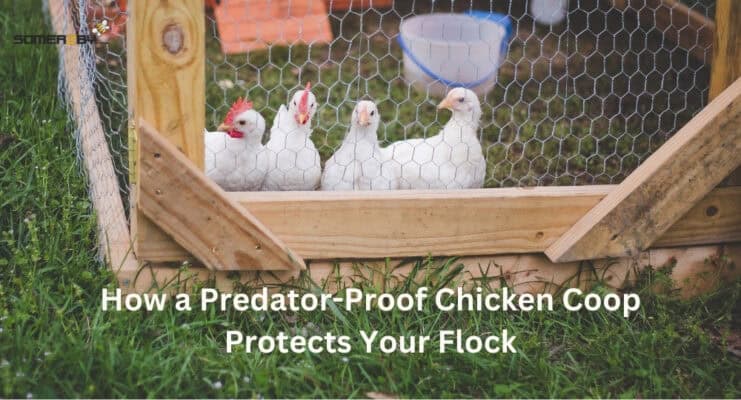
A good coop keeps foxes, snakes, cats, and dogs firmly on the outside. Look for wire mesh with a diameter of at least 0.9mm (so foxes can’t chew through it) and holes no larger than 10mm to keep snakes out. A fully covered roof is important too, as predators can attack from above.
If you’re after a fuss-free way to shop options, Somerzby’s chicken coops are designed with all of the above in mind. From compact starter coops to full walk-in designs, there’s something to suit every back garden, budget, and flock size.
How Much Space Do Backyard Chickens Need?
One of the most common mistakes new chicken keepers make is underestimating how much space their flock needs. Overcrowding leads to stress, bullying, reduced egg production, and a much messier coop. More space always equals happier hens.
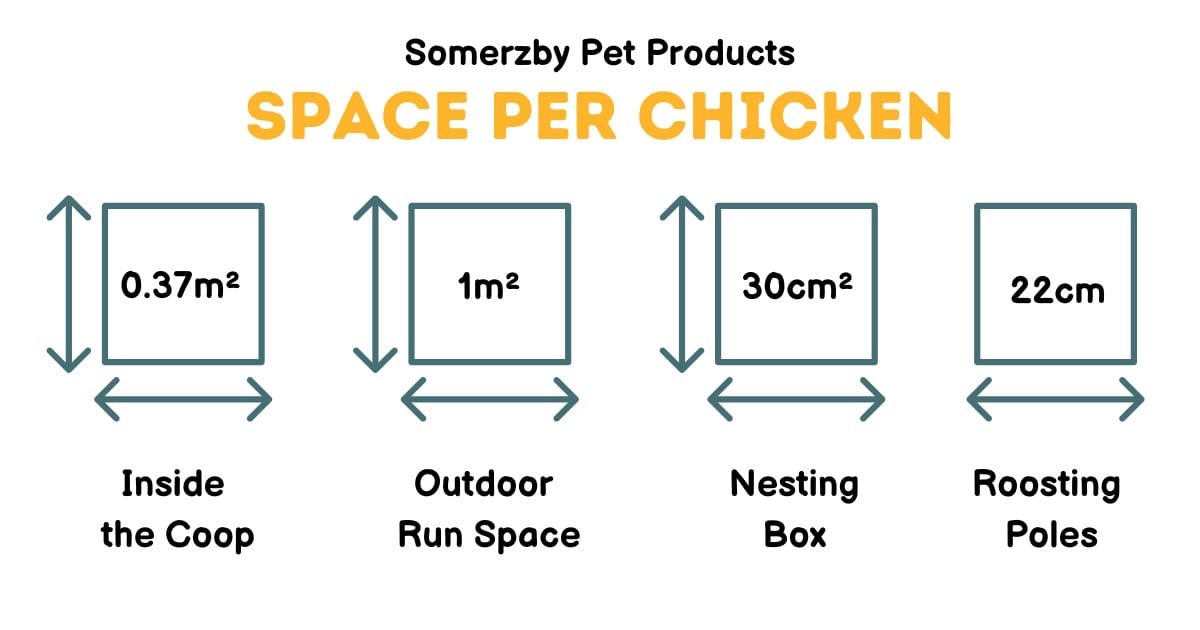
Inside the coop: Allow at least 1 square metre of floor space per bird inside the roosting area. Each hen needs roughly 20cm of perch length to roost comfortably overnight.
In the run: The space your chickens need outdoors depends a lot on how much time they spend inside. When chickens free range daily, you can get away with a more compact setup. If they’ll be on the run most of the time, allow a minimum of 1 square metre of outdoor space per chicken. The more room they have to scratch, dust bathe, and stretch their wings, the better. Even if you only have a few hens, don’t be tempted to skimp on run space.
Nesting boxes: You don’t need one nesting box per hen. Chickens are quite happy to take turns, so one box for every three hens is plenty. Aim for a box that’s around 30cm squared and lined with soft bedding like straw or wood shavings.
Roosting bars: Allow around 22cm of perch space per bird, with each bar separated by about 30cm. Stick to wood rather than metal or plastic, which can become slippery and uncomfortably cold in winter.
If you’re unsure which size coop is right for you, Somerzby’s coop size guide can help you work it out based on your flock size and setup.
Adding a Chicken Run or Extension
If your chickens won’t be free ranging daily, a chicken run or extension is a must. It gives your flock a safe, enclosed outdoor space where they can stretch their wings (literally!) between the coop and the wider world.
Many coops can be paired with an extension run to add extra room as your flock grows, so it’s worth checking whether the coop you’re considering has that option before you buy. If you want to give your flock a little extra space, Somerzby offers a wide range of high-quality runs and extensions.
Before You Buy: Things to Consider
Before you rush out and bring home a box of fluffy chicks, it’s worth taking a few minutes to think through a few practicalities.
Your backyard space: Make sure your yard can comfortably fit a coop large enough for the number of hens you’re planning to keep, with room left over for them to roam.
Local council regulations: Before you set anything up, check in with your local council. Most suburban and residential areas have rules about keeping poultry, including flock size limits, how far the coop needs to be from fences or neighbouring dwellings, and whether roosters are permitted (they’re banned in most urban areas).
Your goals: Do you want your hens to lay eggs for the family? Are you after friendly pets for the kids? A bit of both? Knowing your goals upfront will help you choose the right chicken breed and coop setup.
Choosing Your Chicken Breed
With more than 100 chicken breeds available in Australia, choosing the right one for your backyard is both fun and important. The chicken breed you pick will influence how many eggs you get, how your birds behave, and how well they suit your local climate. Here are a few favourites to get you started.
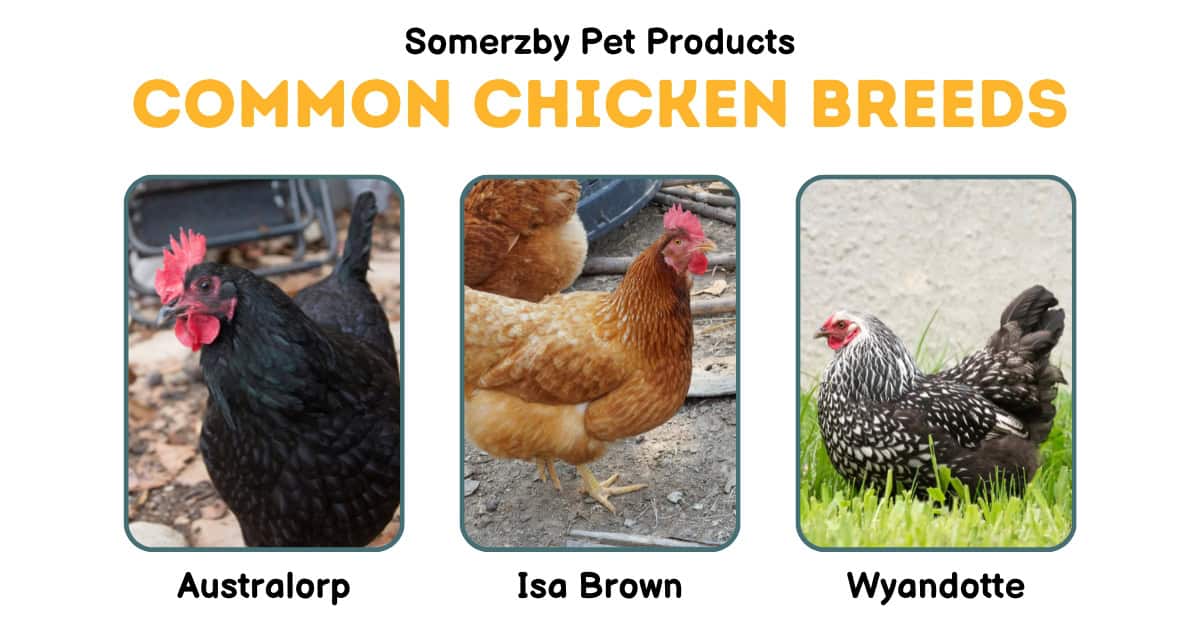
Australorps are one of the most popular choices for backyard keepers. They’re excellent layers, producing around 250 to 300 large eggs a year, and they have a wonderfully calm temperament.
Isa Browns are incredibly hardy and friendly, making them a fantastic choice for first-time owners and families with kids.
Wyandottes lay around 200 eggs per year and are known for being gentle, calm, and well-suited to cooler climates.
Silkies are smaller bantam birds that are brilliant as family pets. They’re gentle, love being handled, and are great with children.
If you’d like to give ex-battery hens a second chance, that’s a wonderful option too. They may take a little time to settle in, but they make incredibly rewarding additions to a backyard flock.
A few practical tips when buying: always purchase from a reputable breeder, ask for vaccination records, and keep new birds in isolation for at least 14 days before introducing them to an existing flock. It’s also best to start with the final number of birds you plan to keep. Adding chickens to an established flock later can cause bullying and disruption as they sort out the pecking order.
Chickens are social creatures, so aim for at least three or four birds. A lone chicken is a lonely chicken!
Setting Up Your Coop
With your coop picked out and a spot in the yard chosen, it’s time to get everything ready for your new arrivals.
Choose a good spot: Look for an area that’s level, well-drained, and gets plenty of natural sunlight during the day. It should also be sheltered from strong winds and excessive summer heat. If your yard is particularly sunny, consider positioning part of the run near a tree or shade structure so you can provide shade for your flock on the hottest days.
Add bedding: Line the roosting and nesting areas with absorbent, disposable bedding. Good options include straw, wood shavings, or shredded paper. Replace it once a week, or more often if your coop is small and your flock is large.
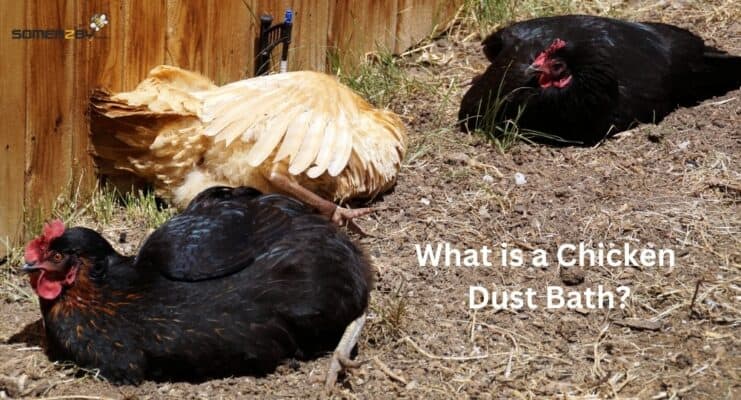
Set up a dust bath: Dust bathing is a natural behaviour that helps chickens keep their feathers clean and free from mites and lice. If the floor of your coop or run isn’t naturally dusty, add a shallow tray filled with dry, loose dirt or sand. Your chooks will thank you for it!
Feeding Your Flock
A well-fed hen is a healthy, happy, productive hen. A balanced diet is the single biggest thing you can do to support good egg production and keep your flock in great shape. Understanding what chickens eat at each stage of life is the key to getting it right.
Commercial feed is the easiest way to make sure your chickens are getting everything they need. A healthy diet starts here, as quality commercial feed is specifically formulated to cover all their nutritional bases. The right type depends on their age and stage of life.
- Starter feed (0 to 6 weeks): High in protein at around 18-20%, to support rapid growth in baby chicks.
- Grower feed (6 to 18 weeks): Slightly lower protein at around 15-18%, with less calcium than adult feed. Important for healthy development before laying begins.
- Layer feed (18 weeks and beyond): Layer pellets typically contain around 16% protein with added calcium to support strong eggshell formation. Once your hens start laying, they can stay on this for life.
Commercial feed comes in three forms: pellets, crumbles, and mash. Pellets are the tidiest and least wasteful option. Crumbles are easier for fussier eaters. Mash is great for younger birds but can be messier to manage.

Don’t Forget Grit
Chickens don’t have teeth, so they rely on grit to grind up their food in their gizzard. If your flock free ranges, they’ll pick up small stones naturally. If not, provide commercial poultry grit or coarse sand. Laying hens benefit from crushed oyster shell grit (sometimes just called shell grit) too, which also provides a valuable calcium boost for strong eggshells.
Chickens Love Treats!
Backyard chickens love a variety of fruits and vegetables as extras. Leafy greens, broccoli, cucumber, carrot, pumpkin, berries, and apple (seeds removed) are all great options. For protein-rich treats, try dried mealworms, earthworms, or pumpkin seeds. Avoid uncooked beans, avocado, onion, garlic, citrus, and anything mouldy. And remember, treats should make up no more than about 10% of your flock’s overall diet.
Water: Keep it Fresh
Chickens drink roughly two to three times as much water as they eat food. Make sure they always have a constant supply of clean, fresh water available, especially during summer and peak laying periods.
A Feeder and Drinker Combo makes staying on top of this nice and easy, so your flock can help themselves whenever they’re feeling peckish. It’s also worth storing your feed in a sealed container, as open bags can attract rats and other unwanted visitors.
Keeping Your Coop Clean
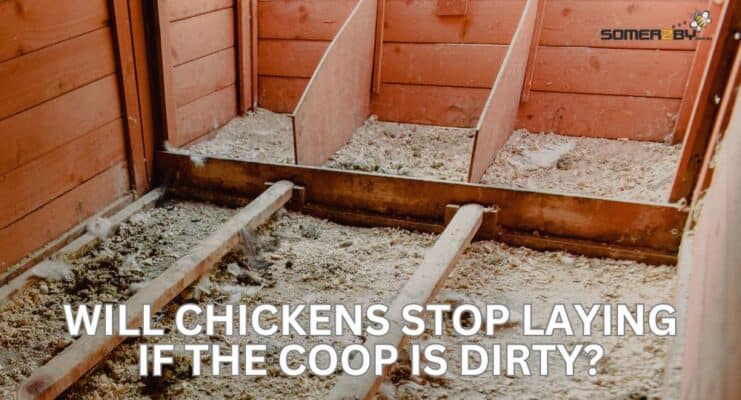
A clean coop is a healthy coop. Dirty conditions lead to respiratory problems, parasite infestations, the spread of disease and also impact egg laying, so regular maintenance is a non-negotiable.
Daily: Remove any uneaten food and top up water containers to prevent bacteria from building up. This also reduces the risk of attracting wild birds to the coop, which can spread disease to your flock.
Weekly: Replace all bedding in the roosting and nesting areas. The frequency will depend on the size of your coop and flock; a small coop with lots of hens may need the bedding replaced more often.
Monthly: Do a thorough deep clean. Remove all bedding, wipe down surfaces with a pet-safe cleaner or a damp cloth, and let everything dry fully before adding fresh bedding.
When cleaning, stick to natural options where possible. White vinegar and baking soda are effective at killing bacteria without posing any risk to your birds. Always rinse surfaces with water afterwards and make sure the coop is dry before letting your chickens back in.
Protecting Your Chickens from Predators
Predators are one of the biggest challenges for backyard chicken keepers, so it pays to be prepared. In Australia, there is a notoriously long list of predators that need to be kept at bay. Foxes, snakes, cats, dogs, and wild birds of prey are all potential threats, and they can be surprisingly determined.
A good quality coop with thick wire mesh is your first line of defence against your chickens’ predators. Snakes can squeeze through very small gaps, so make sure mesh holes are no larger than 10mm. For foxes, look for wire with a diameter of at least 0.9mm that they can’t chew through. A covered roof and a wire mesh floor (like on Somerzby’s Deluxe Mansion Chicken Coop) will stop snakes from getting in from underneath.
You can also add a wire apron around the edges of the coop to discourage digging, and consider motion-triggered lights as a deterrent. Always make sure your chooks are locked up securely each night before you head inside.

Keeping Your Chickens Healthy
Beyond a clean coop and a good diet, there are a few extra things you can do to keep your own flock in top condition.
Access to Fresh Grass
If you can, let your chickens free range on fresh grass during the day. Foraging gives them access to essential nutrients like vitamins A and E, and the mental stimulation of pecking, scratching, and exploring keeps stress levels low. Happy chooks really are healthier chooks. In cold weather, limit time outside during frost or heavy rain, and make sure the enclosed coop area stays dry and draught-free.
Natural Pest Control
External and internal parasites pose a threat to chicken health, so it pays to stay on top of prevention. External parasites like mites and lice live on the feathers and skin, while internal parasites can affect the digestive system.
Sprinkling diatomaceous earth (DE) around the coop is an effective, chemical-free way to keep external pests under control. Some keepers also add lavender, mint, or rosemary to the coop, which can help deter insects while contributing to a calmer environment for the hens. For internal parasites, an annual worming treatment in spring is a good habit to get into.
Minimise Chemical Exposure
Use natural cleaners around the coop wherever possible, and keep your chickens away from any areas that have been treated with pesticides until the product has fully dried. Avoid old, second-hand coops that may be made from treated timber or painted with lead-based paint.
Daily observation
Take a good look at your flock every day. A healthy chicken is active, social, foraging regularly, and has shiny, well-formed feathers. If you notice any of your beloved birds are lethargic, not eating, or showing other concerning signs, seek advice from a poultry vet sooner rather than later.
Your Chickens Will Reward You!
There’s nothing quite like collecting a warm egg from your own backyard, watching your chooks go about their day, or seeing your kids learn the responsibilities that come with caring for animals. Get the fundamentals right, and chicken keeping is genuinely one of life’s great simple pleasures.
Ready to turn your backyard into a chook-filled paradise? Browse Somerzby’s full range of chicken coops, runs and extensions. Every product is designed with your chickens’ comfort and your convenience in mind, built to last, and easy to assemble. Your flock is waiting for a fabulous new home!
FAQ
Do I need a male chicken?
Nope! A male chicken (rooster) is only needed if you want fertilised eggs that will hatch into chicks. Your hens will lay eggs perfectly well without one. Roosters are also banned in most Australian urban areas, so for the majority of backyard keepers, an all-hen flock is the way to go.
How many chickens should I start with?
At least three or four is a good starting point. Chickens are social animals and don’t do well on their own. Starting with your final intended number is also sensible, as introducing new birds to an established flock later can cause disruption to the pecking order.
What do chickens eat besides commercial feed?
Chickens love fruit and vegetable scraps, leafy greens, dried mealworms, and scratch grains as occasional treats. Just keep treats to around 10% of their diet so they’re still getting the full nutrition from their commercial feed. Avoid avocado, onion, garlic, citrus, and anything mouldy.
How often do I need to clean the chicken house?
A quick daily tidy (removing uneaten food and topping up water) takes only a few minutes. Bedding should be replaced weekly, and a thorough deep clean of the whole chicken house once a month keeps things fresh and hygienic for your flock.
What are the local regulations for keeping chickens in my area?
Local regulations for keeping chickens vary across Australia, depending on your suburb or local council. These regulations typically address the maximum number of chickens you may keep, coop placement, and whether roosters are allowed. It’s crucial to check with your local council’s website or office to understand any specific requirements or restrictions before setting up your coop.
Toni’s Wrap
Keeping backyard chickens is one of life’s simple joys, but happy, healthy hens don’t happen by accident. Giving your flock a safe, well-planned coop, enough space to roam, and the right feed and care makes all the difference. Choosing breeds that suit your goals, keeping their environment clean, and protecting them from predators ensures your chickens thrive.
With a little planning and daily attention, your backyard can become a safe, comfortable and rewarding home for your feathered friends.
Related Blogs







Hello, my neighbours are complaining about my two chickens clucking at 5.15am, even though the koels are also at it at that time. I’ve read about blacking out their coop, do you think this could do the trick? We live in suburban Sydney. Thks in advance
Hi , I have noticed two of my three chickens have lost all feathers round there bottoms, why is this happening and what do I do .?
When will hens go off the lay in the Mid-North of SA?
Great webpage , thanks.
We have a new fox proof mobile pen for a new chickens.
What breed would you recommend for a school setting?
Do you have any idea where we could buy maybe ex battery hens in the Warrnambool area.
Great information thank you.
This is very informative and helpful post in the blog posting world. Your every post always give us some qualitative things. thank you much for sharing this post.