


Oct
 ChatGPT
 Claude
 Perplexity
 Grok
Grok
 Google AI
 You
You
 WhatsApp
 LinkedIn
Crate training is a gentle, effective way to help your dog feel safe and secure at home. When introduced properly, the crate becomes a cosy space where your dog can rest and relax. Crate training is especially helpful for toilet training, easing separation anxiety, and giving your dog a quiet space of their own.
While some worry crates are cruel, when used with care and patience, they offer comfort and structure. With the right approach, your dog will see the crate as a positive, calming space, whether you’re at home or away.
Key Takeaways:
- Never use a crate as punishment; it should always feel safe and positive.
- Whining is normal at first; but only reward calm behaviour by opening the crate when your dog is quiet.
- Every dog is different and crate training takes time, patience, and consistency.
- Create comfort inside the crate with soft bedding, favourite toys, or even your dog’s food dish.
- Gradually extend crate time, moving from short sessions to naps, overnight use, and alone time.
- A crate cover can reduce distractions, but make sure airflow is safe and overheating isn’t a risk.
5 Easy Steps to Successful Crate Training
Dog crate training can make life easier for both you and your pup, but success takes patience and the right approach. Follow these 5 easy steps to help your dog feel comfortable and confident in their crate.
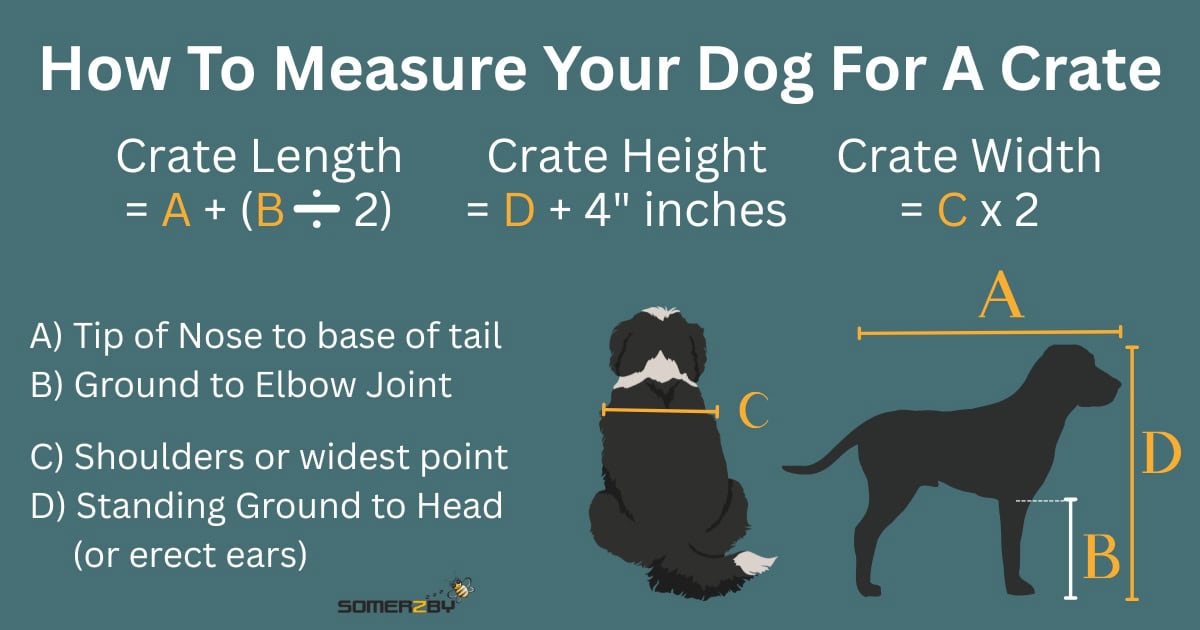
Step 1: Choose the Right Sized Crate and Material for Your Dog
Your crate must have enough space for your dog to comfortably stand, turn around and lie down. If your crate is bigger than needed, your dog may use the free space as their toilet This can cause your dog stress, discomfort, and make them less likely to see it as a safe, clean resting place. For growing pups, you need to ensure the crate will accommodate their adult sized body in the future or has a divider. Choosing the right sized crate is very important because it will be their safe place in your home.
There are three main types of crates based on the material used: Wire, Plastic and Fabric.
Wire crates are strong, durable, and ideal for escape artists or chewers. They offer great ventilation and visibility, and many are collapsible for indoor or outdoor use. However, the metal can retain the heat and cold.
Plastic crates create a secure, den like space, perfect for anxious dogs. They’re lightweight, easy to clean, durable, and often airline approved. The downside is reduced ventilation and heat build up in warm weather. Fabric crates on the other hand are lightweight, portable, and cost effective, with good ventilation and comfort. However, they’re easy to damage, less secure and absorb moisture.
Step 2: Introduce Your Dog to the Crate Gradually
Once you’ve placed the crate in its permanent spot, make it feel inviting and safe by adding soft bedding, a favourite toy, or even a treat or two.
Let your dog investigate freely with the door open, and once they seem comfortable around the crate, start practicing short sessions. Gently encourage your dog to step inside for a shorter time period (5-10 seconds), perhaps with a treat or calm praise, and then let them come back out. Repeat this a few times a day, gradually increasing crate time to just a few minutes at a time.
It’s crucial not to force your dog into the crate, as this can create negative associations and set back progress.
During these early sessions, you should always stay close by and keep an eye on your dog. The goal is to help them feel that the crate is a safe, positive space, not a place of isolation.
Step 3: Create a Positive Association with the Crate
One of the most important parts of crate training is helping your dog see the crate as a comfortable and safe space they can rest in, not a place of punishment. By having followed Step 2, you have already started building this positive connection by encouraging your dog to explore the crate with the door open. Especially without pressure.
A simple way to crate your dog in a positive way is by feeding them their meals inside the crate. This naturally helps them associate it with something they already enjoy. You can also toss in a few treats or their favorite toy to make it even more appealing. When they go in on their own, praise them calmly, as it reinforces that this is a good choice.
Once they are comfortable and enjoy eating regular meals and treats inside the crate, try briefly closing the door. You’ll want to try this when they are occupied with eating or a toy. Always end a session on a good note and keep these training sessions short at the beginning. The key is to let your dog build confidence and comfort with the crate at their own pace.
Step 4: Practice Closing the Crate Door and Leaving the Room
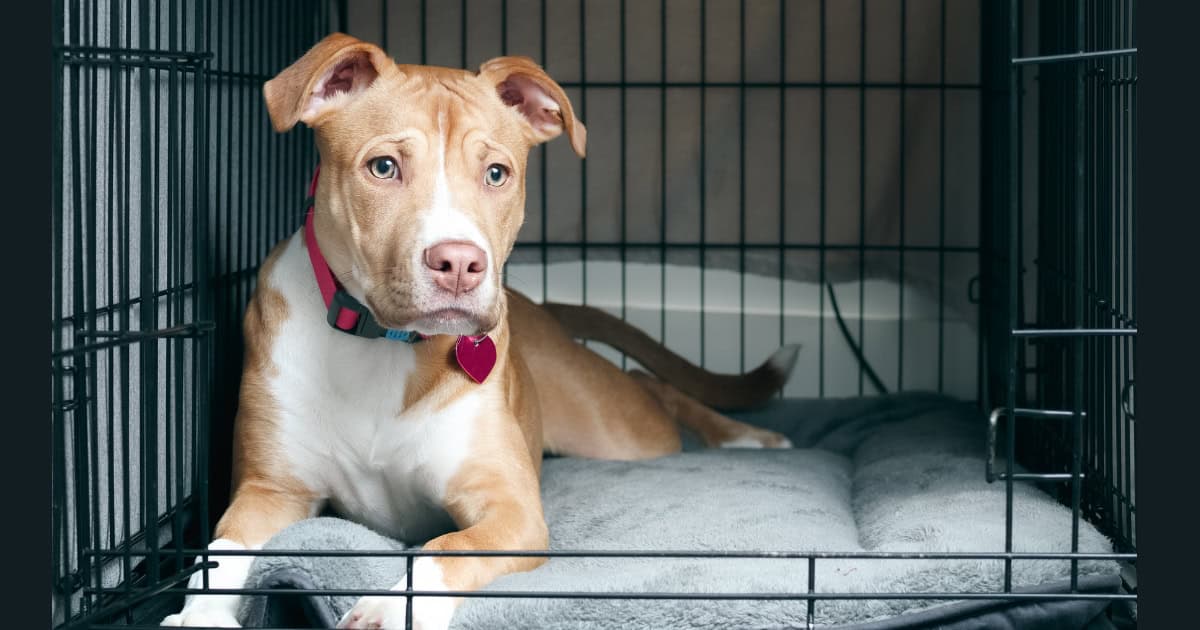
Once your dog is comfortable in the crate, begin closing the door for short periods while you sit nearby. This helps them get used to the sensation of the door being shut. Gradually increase the time with the door closed, building up to at least 20 minutes. Then start to leave quietly for one to two minutes at a time, performing routine tasks like grabbing a drink or putting on a jacket.
Avoid making a fuss when you close the door or return, as remaining calm teaches your dog that being alone in the crate is safe and normal, reducing stress and encouraging independence. If your dog becomes anxious, take a step back and shorten the duration, gradually working up again.
Step 5: Build Up to Longer Periods and Alone Time
Once your dog is comfortable with short crate sessions, you can gradually expand crate use to include naps, overnight sleep, and times when you need to be out of the house. Allow your dog to progress at their own speed, slowly increasing the time spent in the crate. Watch your dog closely, if your dog while in the crate seems uneasy or whines, it’s perfectly fine to slow down or revisit earlier steps.
Remember, some dogs take longer than others to adjust, especially if they have past experiences or established habits. By being patient, flexible, and celebrating small successes along the way, you’ll help your dog gradually see the crate as a safe, comfortable space they enjoy spending time in.
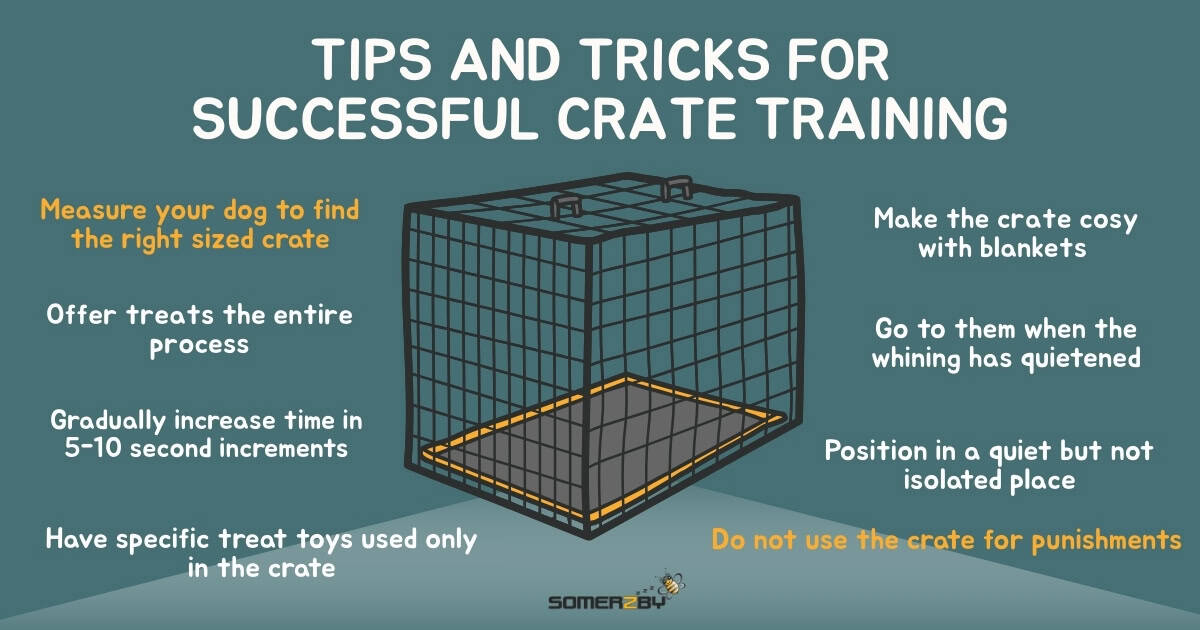
Tips For Crate Training Your Puppy or Dog
Don’t Use a Dog Crate For Punishment
Never use a dog crate for discipline, as it creates negative associations. If your dog has past experiences of stress inside the crate, they may resist entering. It is best to have a separate area of the house, like the bathroom, used for ‘discipline’. Focus on making the crate a safe, positive environment to build trust and comfort.
Do Ignore Whining or Crying
Whining is very common during the early stages of crate training, and it’s important to remember this behaviour is usually normal and nothing serious. If you let your dog out when they cry, they may learn that whining works. Instead, wait for a quiet pause before opening the crate. Always check first that the whining isn’t caused by genuine needs, like being hungry, needing the toilet, or feeling unwell.
Do Be Patient and Consistent
Every dog is different, and crate training takes time. Practise short, regular sessions and celebrate small wins, like when your dog enters the crate calmly. The more consistent you are, the faster they’ll adjust. If your dog shows fear or resistance, step back and progress slowly rather than rushing forward.
Do Make The Crate a Comfortable and Positive
Making the crate a comfortable and positive space is essential for success. Your dog should feel safe and cosy inside, so add soft bedding, their favourite toy, or even their food dish. Ensure the spot isn’t too hot or cold. The more inviting the crate, the more your dog will enjoy spending time there.
FAQ
What is the 2:1 rule for crate training?
The 2:1 rule is a helpful guideline in the crate training process. It means that for every 1 hour a dog spends in the crate, they should have 2 hours outside to play, exercise, and relieve themselves. When building up to longer periods in the crate, it’s important to take small steps, gradually increasing crate time.
Where is the best place to put a dog crate in the house?
The best place for a dog crate is a quiet, low traffic area where your dog can rest without too much disturbance. It should be in a room with a comfortable, steady temperature, away from heat sources or loud noises. Avoid isolating the crate; your dog should still see and hear the family. A corner of the living room or bedroom often works well, offering both comfort and a sense of security.
Should I cover my dog crate with a blanket at night?
Some dogs enjoy the feeling of a darker den like space, while others may prefer more visibility. Covering the crate with a blanket can help reduce outside distractions and encourage better sleep. However, it’s important to ensure the crate is well ventilated and that the fabric cover doesn’t cause overheating.
For a safer alternative, Somerzby offers waterproof, heavy duty synthetic canvas covers designed to fit 36″ and larger crates, giving dogs comfort without compromising airflow.
How many hours should you crate train a dog?
Dogs should not be spending too much time in a crate, as this can lead to stress, frustration, or health issues. A general guide for puppies’ maximum time is their age in months plus one hour. For example, a 6 month old puppy can be crated for 3–5 hours, while adult dogs can stay in a crate for up to 6–8 hours. Crate training should always be introduced gradually over several days or weeks to help your dog feel safe and comfortable.
Can an older dog be crate trained?
Yes, adult dogs can definitely be crate trained. The process may take a little longer depending on their past experiences, especially if they’ve had negative associations with crates. While age doesn’t prevent learning, older dogs may have established habits that need gentle and patient adjustment.
Toni’s Wrap
As a Cavoodle owner, I’ve learned that crate training isn’t just for pups, it can be really helpful for adult dogs too. At first, my pups weren’t so sure about it, but with a bit of patience (and a lot of treats), they started seeing the crate as their own little chill zone. Now they actually want to go in there to relax. It’s made bedtime way easier, and even car trips less stressful. If you’re on the fence, I’d say give it a go, it really worked for us.
Related Blogs