


Chickens
Ultimate Guide: How to Get Chickens Back into the Coop
Sep
 ChatGPT
 Claude
 Perplexity
 Grok
Grok
 Google AI
 You
You
 WhatsApp
 LinkedIn
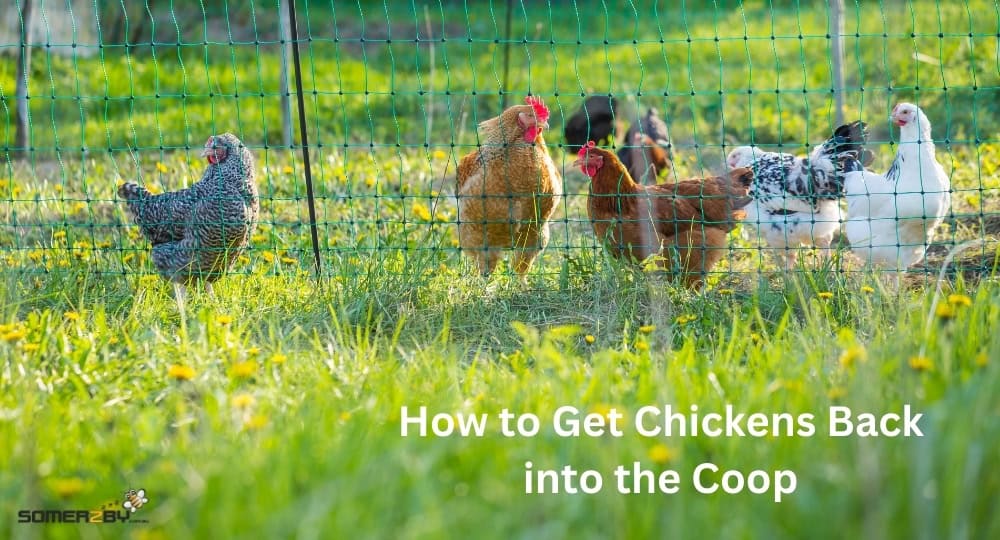
Chickens need to return to their coop each night to stay safe from predators. However, some chickens can be surprisingly reluctant to go back inside, which can be frustrating for chicken owners. You know they need to be secure, yet they don’t always make it easy. Chasing or herding them into the coop can quickly become time-consuming and stressful.
In this guide, we’ll explore why chickens may refuse to return to the coop and share practical tips to help train them, making bedtime easier and less stressful in the long term.
Key Takeaways
- Chickens may avoid the coop due to routine changes, stress, pests, predators, broodiness or weather.
- Familiarise chickens with the coop and guide them at dusk until they return on their own.
- Treats, lights, routines and an inviting coop make returning easier.
- Avoid overcrowding, manage pecking order, and keep the chicken coop clean and pest-free.
- Predator-proofing with mesh, locked doors, fences, and lights keeps chickens safe and confident.
- A spacious, comfortable, well-equipped coop encourages chickens to come home willingly.
Why Chickens Won’t Go Back Into the Coop at Night
You can make it easier for your chickens to return to the coop at night by addressing the issues that are holding them back. The first step is identifying the reason for their hesitation, which then allows you to apply the right solution. Common reasons chickens may avoid going back into the coop include:
Lack of Routine
Chickens are creatures of habit and feel most comfortable when their daily routine stays the same. They naturally learn when to free-range, forage and head back to the coop as daylight fades. If this routine is disrupted (such as changes to their schedule, environment or access to the coop) they may become confused or hesitant at bedtime.
New Environment
Introducing a new chicken coop can be unsettling for your flock. Chickens need time to recognise a space as their home, and until they do, they may feel uncertain or hesitant. This unfamiliarity can make them reluctant to return at night, as they rely on familiar surroundings to feel safe and secure.
Social Dynamics
Chickens rely on the coop as a safe place to sleep, but social hierarchies can affect their willingness to return. Lower-ranking or young chickens may be bullied by dominant birds, making them fearful of the coop. Aggressive pecking or intimidation can lead some chickens to avoid going inside, even if it means staying exposed at night.
Broodiness
At times, young hens can develop “broody” behaviour, where they focus on nesting and hatching eggs. If a hen finds your coop or nesting box unsuitable, she may try to create a nest elsewhere. This strong nesting instinct can lead her to stay outside, even at night, making her reluctant to return to the coop.
Chicken Coop Comfort
Chickens will avoid a coop that doesn’t meet their needs. If there’s not enough room or key features like nest boxes and roosting poles, they may be reluctant to go inside the coop. Comfort and security are important, so a coop that feels cramped or poorly designed can make chickens hesitant to return at night.
Cleanliness
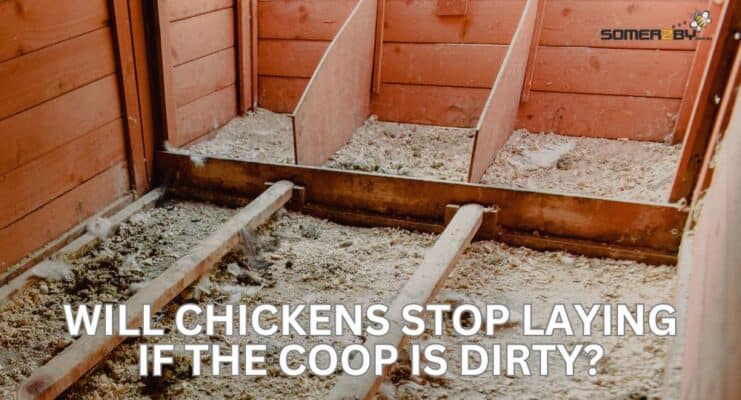
Chickens are sensitive to dirty or smelly coops. If waste builds up, it can produce ammonia, which irritates their respiratory system. Since most droppings collect under roosting bars at night, a dirty chicken coop can feel uncomfortable or even unsafe, causing hens to avoid returning to their roosting space or the coop altogether.
Predators
Chickens rely on the coop for safety, but past encounters with predators can make them wary. If they’ve seen a predator inside or near the coop, they may associate it with danger and avoid returning. This is especially true for night-active predators such as rats, mice, foxes, cats or snakes.
Red Mites
Red mites are tiny pests that live in the coop and feed on chickens at night. Their presence can make the coop uncomfortable or even painful, causing chickens to avoid returning. And who can blame them! You wouldn’t want to sleep in a lice-ridden bed either.
Weather
Chickens are sensitive to extreme weather. Heavy rain, strong winds or cold temperatures can make the coop feel less appealing, prompting them to seek shelter elsewhere. They might hide under bushes, trees or other protected spots they perceive as safer. As a result, bad weather can sometimes keep them from returning to the coop at night.
First Steps: Teaching Chickens Where “Home” Is
The key to getting your chickens to return to their coop at dusk is helping them understand that the coop is their home.
Once your coop is set up, make sure it has everything your flock needs including bedding, food and water. Check that it’s clean, comfortable and at a suitable temperature, as your chickens will spend extended periods inside.
Place your chickens in the coop and close the door for about a week. This helps them become familiar with the space and recognise it as their new home. During this time, replace food and water while ensuring they cannot escape.
After a week, open the coop door an hour before dusk and allow your chickens to explore and free range at their own pace. Leave the door open.
As evening falls, your chickens should start returning to the coop on their own, showing they’ve accepted it as their home. If some hesitate, gently guide them inside and try the next evening again. Once they get the hang of it, you can let them out each morning, and they should naturally return to the coop at night.
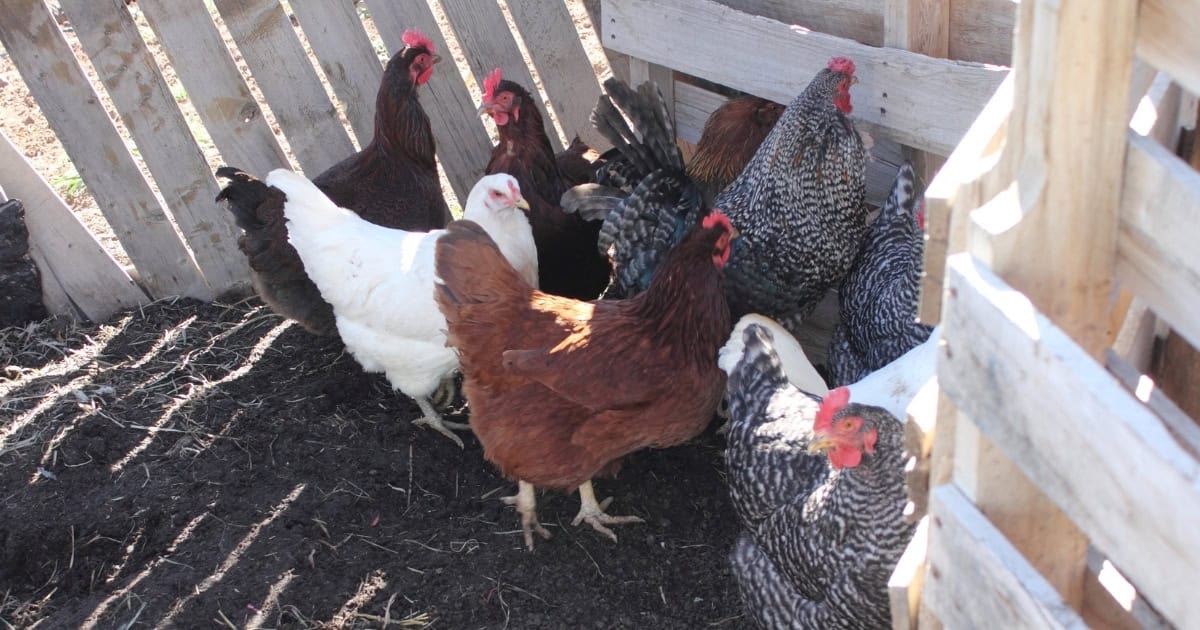
Training Techniques That Actually Work
If your chickens are still hesitant to go inside the coop at night, these techniques can help speed up the process. Chicken keepers should practise these consistently for a few weeks and be patient. Eventually, you can encourage even the most reluctant chickens to return willingly.
Using Food and Treats
High-value treats can be a powerful motivator for reluctant chickens. Use special treats they don’t get often, such as dried mealworms, corn kernels or vegetable scraps, and give only small portions.
You can scatter treats inside the coop, create a trail leading to the door, or place them in a container and shake it so your chickens associate the sound with a reward. Each time, say a consistent word in a high-pitched tone, like “Treats!”
Over time, your chickens will come running at the sound or word, making it easier to guide them into the coop. Gradually reduce the treats until they return willingly without any bribes, learning that the coop is a safe and rewarding place at night.
Using Light as a Guide
Light can be a helpful cue to guide your chickens back to the coop at night. Just before dusk, place a little light inside the coop. Something as simple as a battery-powered torch hanging from the roof works well. As darkness falls in your yard, the hens will naturally be drawn to the light and return to their coop. Be sure to turn it off before they settle for the night to avoid disrupting their sleep or egg-laying routine.
Establishing a Reliable Routine
Chickens thrive on routine, as their naturally cautious nature makes them feel safe and comfortable when daily habits are consistent. Disruptions can easily cause stress or hesitation.
To help your flock feel secure in the coop, let them out at the same time each morning and lock them in at the same time each evening. If this isn’t always possible, a high-quality automatic door can ensure all your chickens go out and return on a consistent schedule.
Leaving the Coop Door Open & Accessible
If your chickens free range during the day, keeping the coop door open allows them to return whenever they choose. This helps them become more familiar with the coop and prevents them from only associating it with being confined.
If your door is on a hinge, prop it open with a brick or paver to stop it from accidentally slamming shut in the wind.
Make the Coop a Place They WANT to Return To
A coop that feels safe and comfortable will naturally encourage chickens to return each evening. Clean, cosy bedding provides warmth, while perches and nest boxes satisfy their instinct to roost and lay eggs. Adding these features and keeping the space inviting helps chickens see the coop as a desirable place to spend the night.
Coop Setup Problems that Stop Chickens from Coming Home
Creating a coop your chickens enjoy using is key to encouraging them to return each night.
Overcrowding or Poor Layout
A hen house that’s too small or poorly arranged can make chickens feel cramped, leading to stress, fights and avoidance of the space. Adding an extension run or reorganising the layout can give your flock more room and reduce tension.
Dominance and Pecking Order Issues
Chickens naturally follow a pecking order and conflicts can cause injuries. Lower-ranking or young birds may avoid the coop to stay safe. Always try to keep chickens of similar size and age together. When introducing new birds, house them nearby in a separate enclosure at first. Gradually introduce them to the flock to minimise bullying issues.
Pests, Mites & Rodents
A coop with pests or mites can make chickens reluctant to enter. Use non-toxic traps for mice and maintain regular cleaning and bedding changes to prevent mites and other infestations.
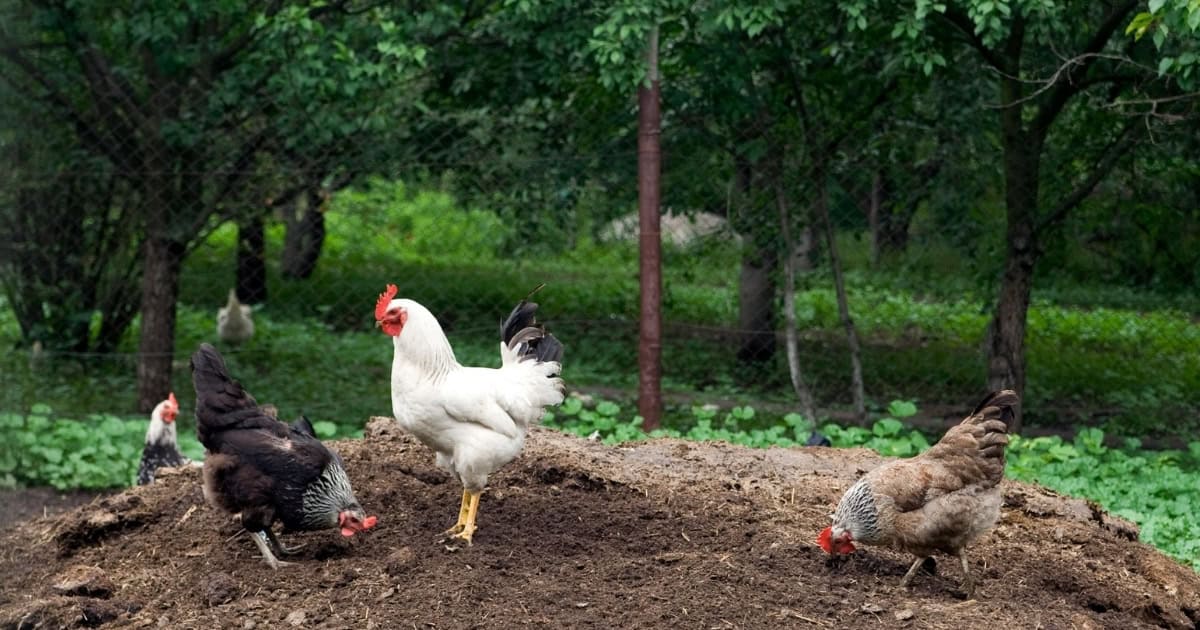
Predator Concerns & Creating a Safe Coop
If chickens see a predator near or inside the coop, they may associate it with danger and avoid returning. Predator-proofing your coop is essential! Use wire mesh around the base to stop foxes or rats digging in, ensure mesh gaps are no larger than 1 cm to keep out snakes, and always keep doors securely latched.
Even distant predators can worry chickens, so consider sensor lights and tall fences to deter cats and foxes from your yard. A safe, secure coop helps your flock feel protected and encourages them to use it consistently.
Choosing the Right Chicken Coop
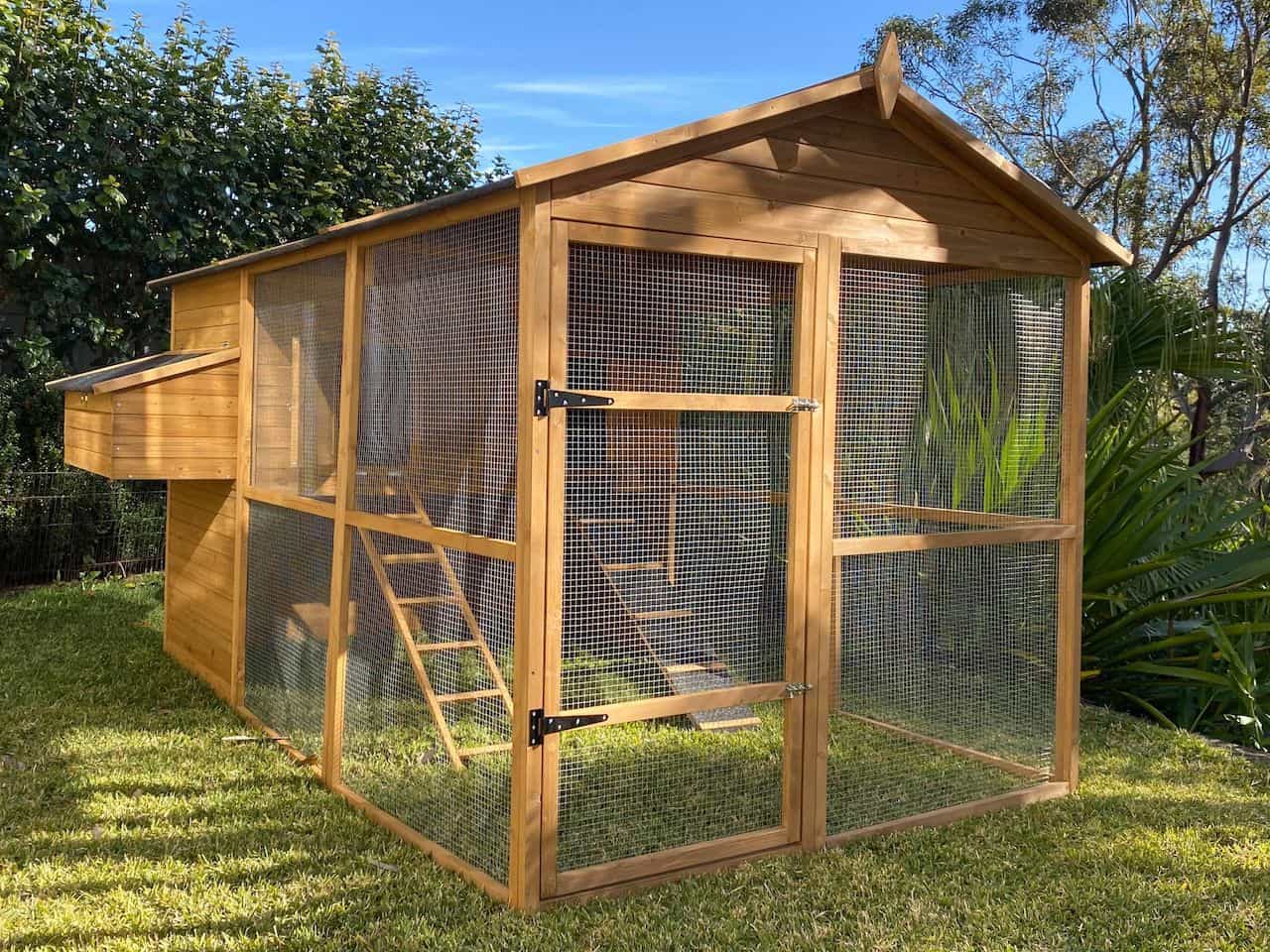
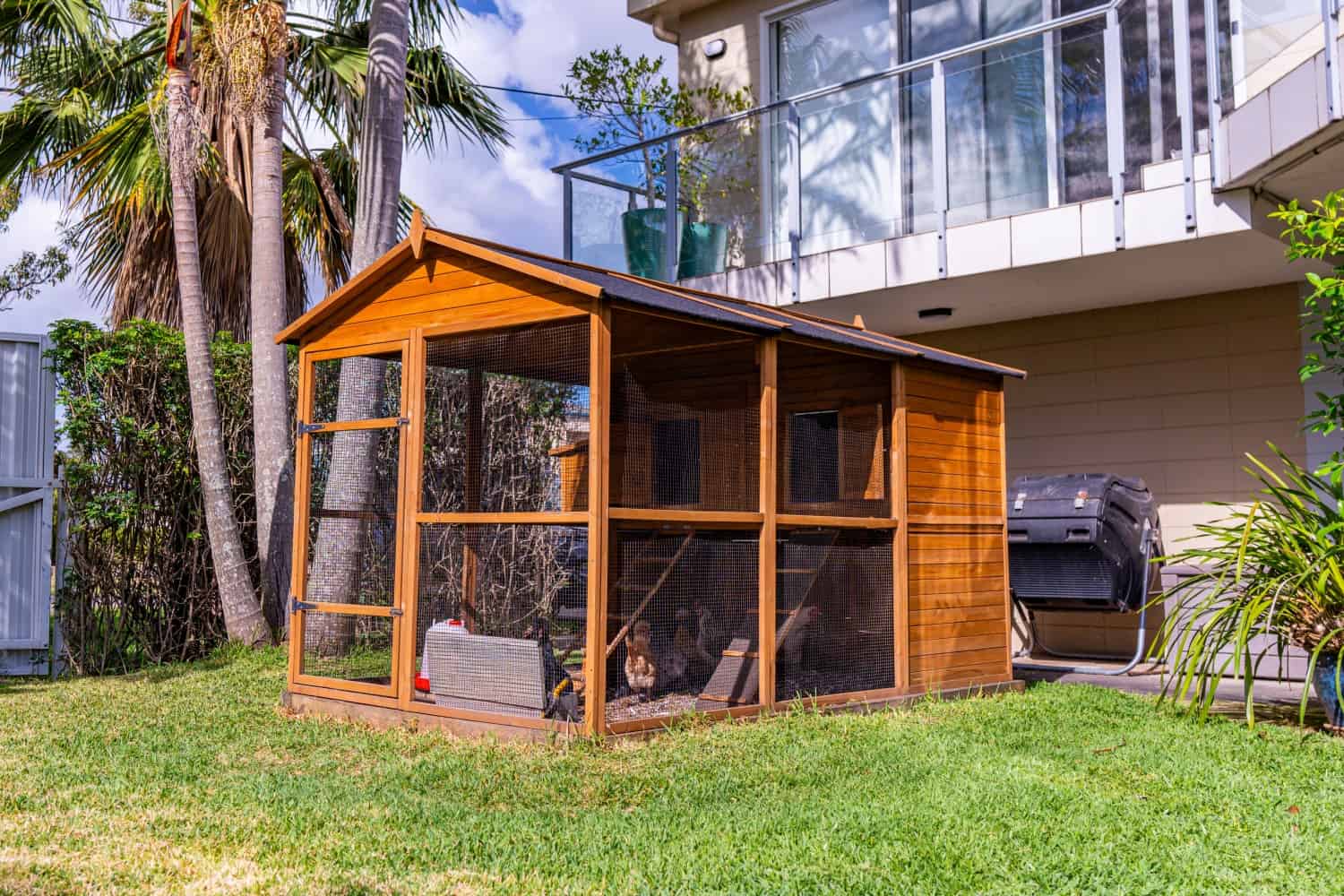
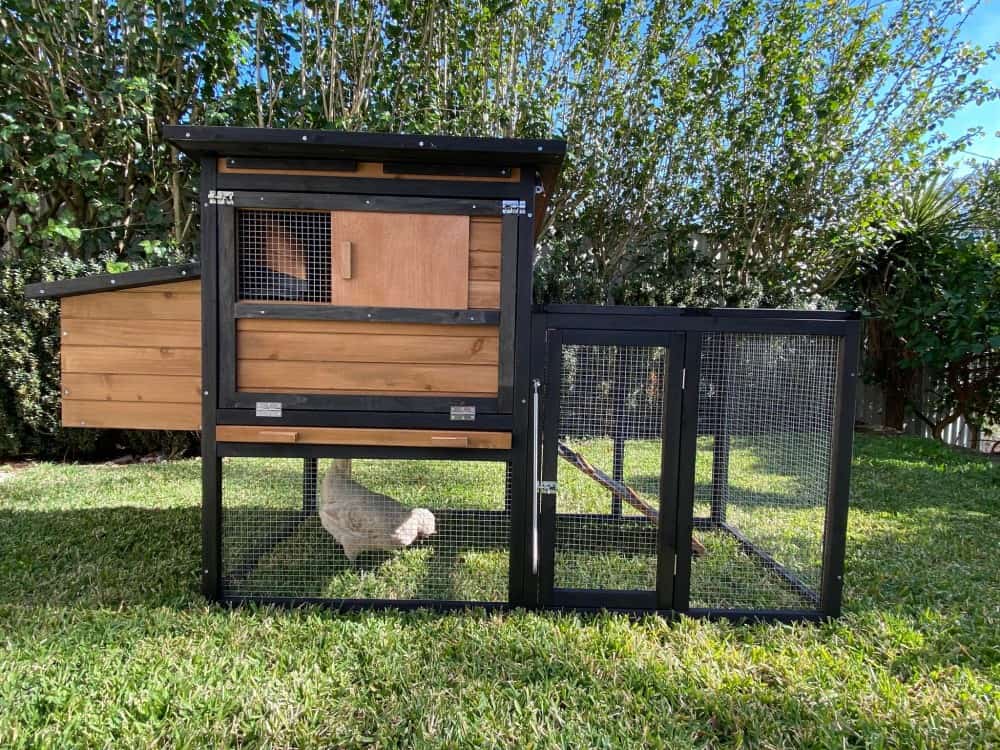
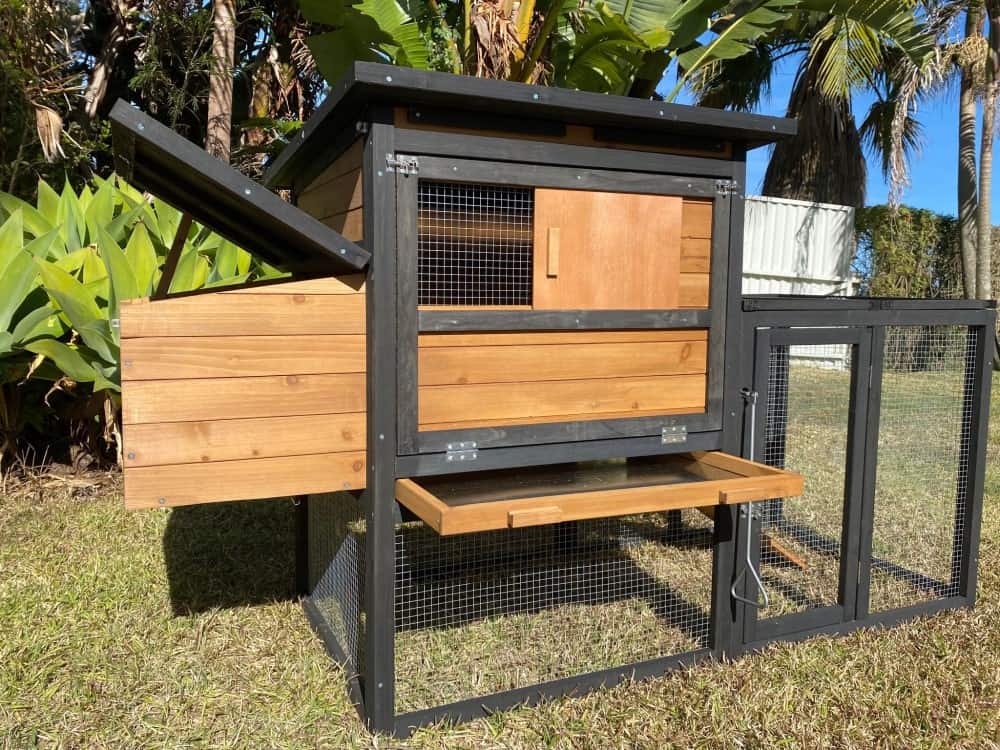
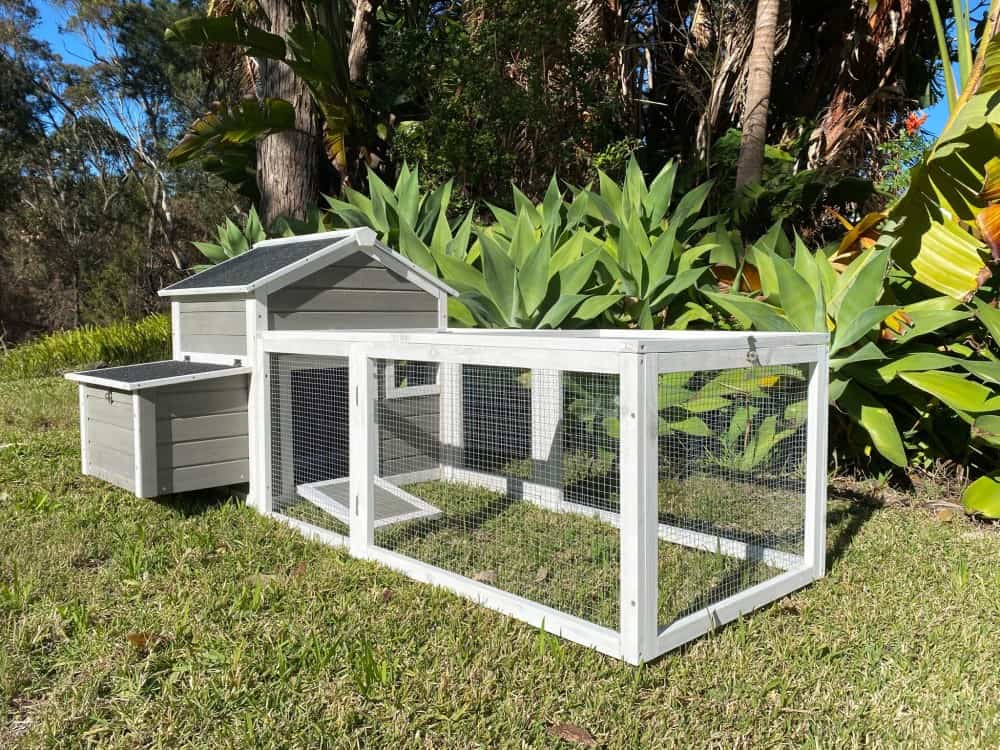
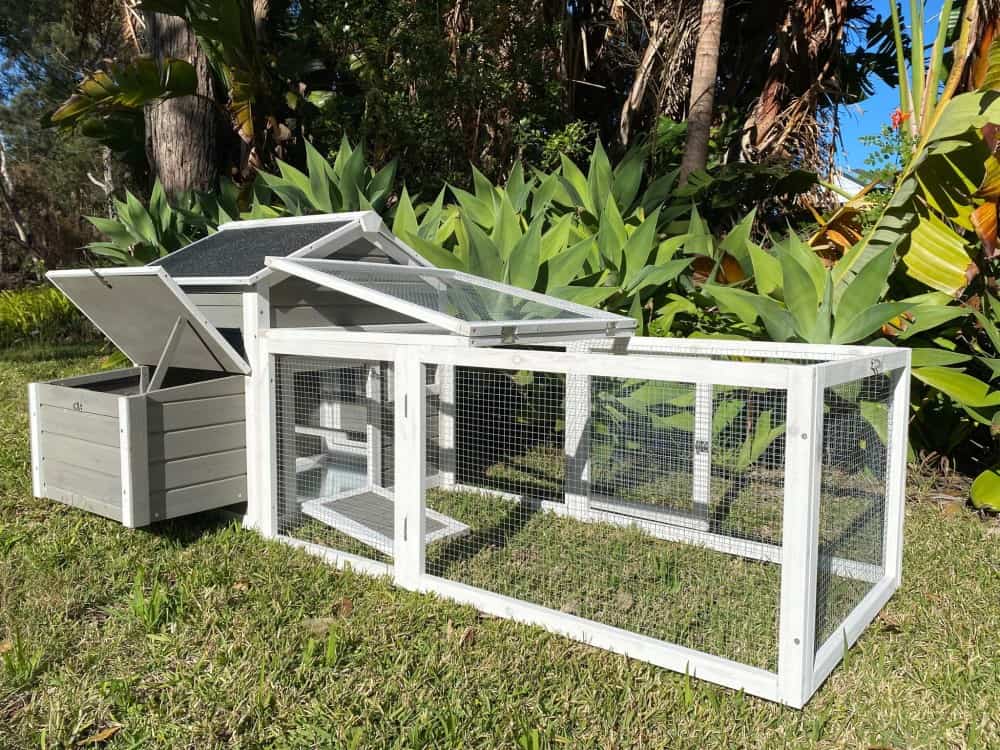
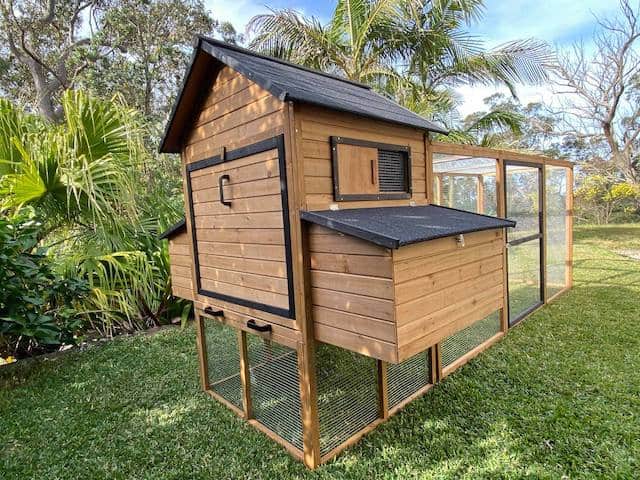
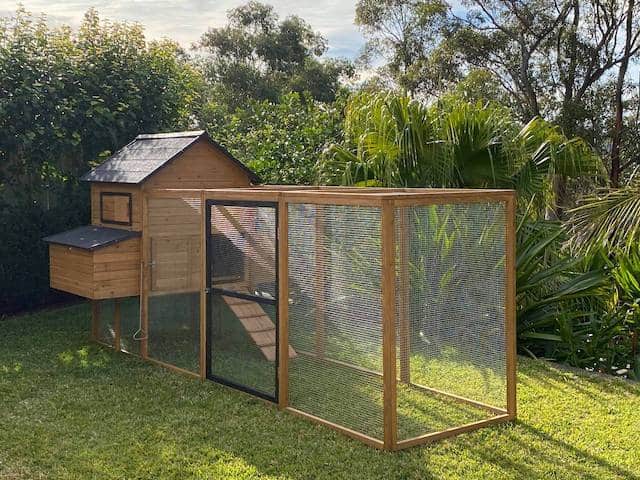
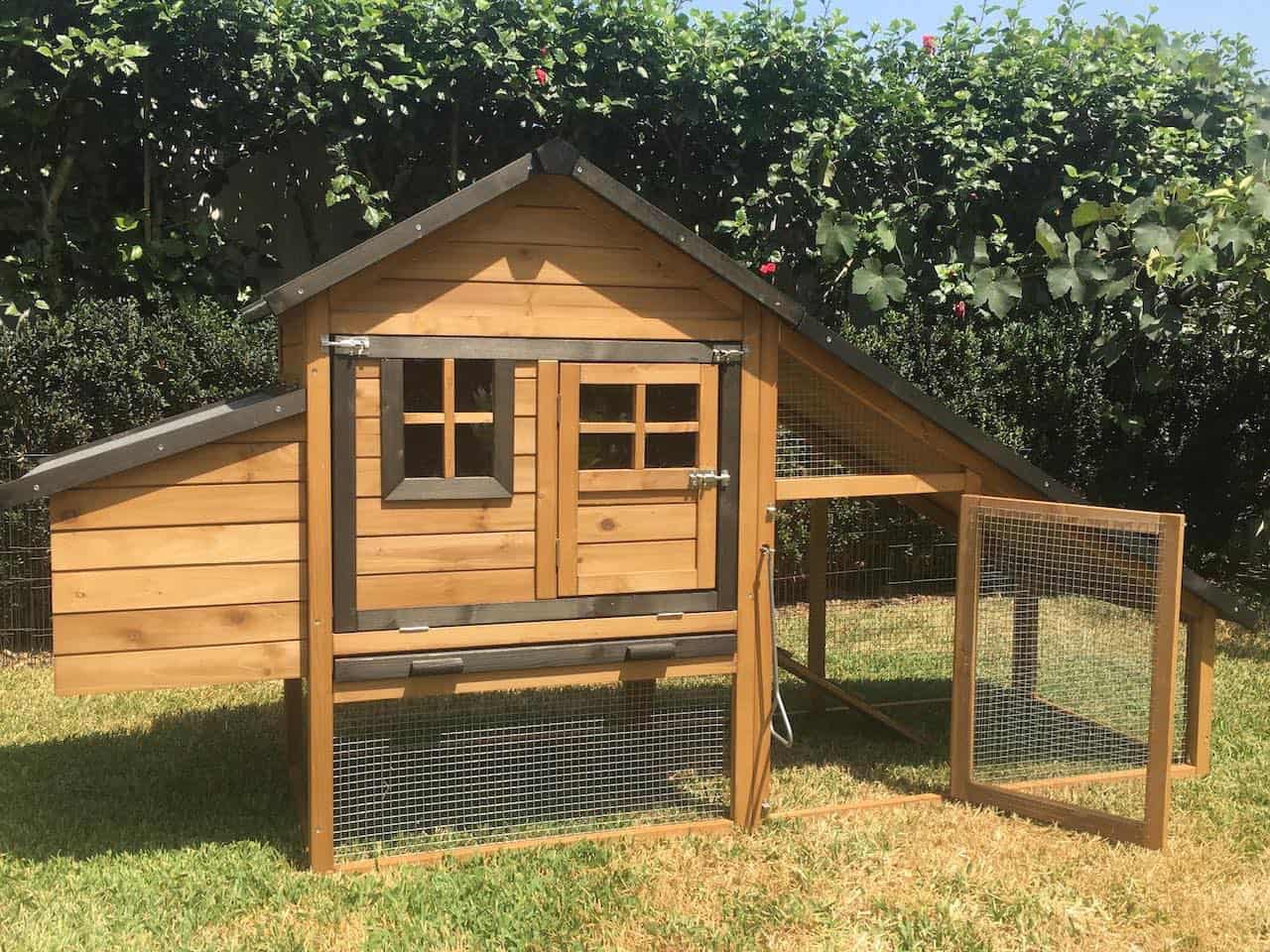
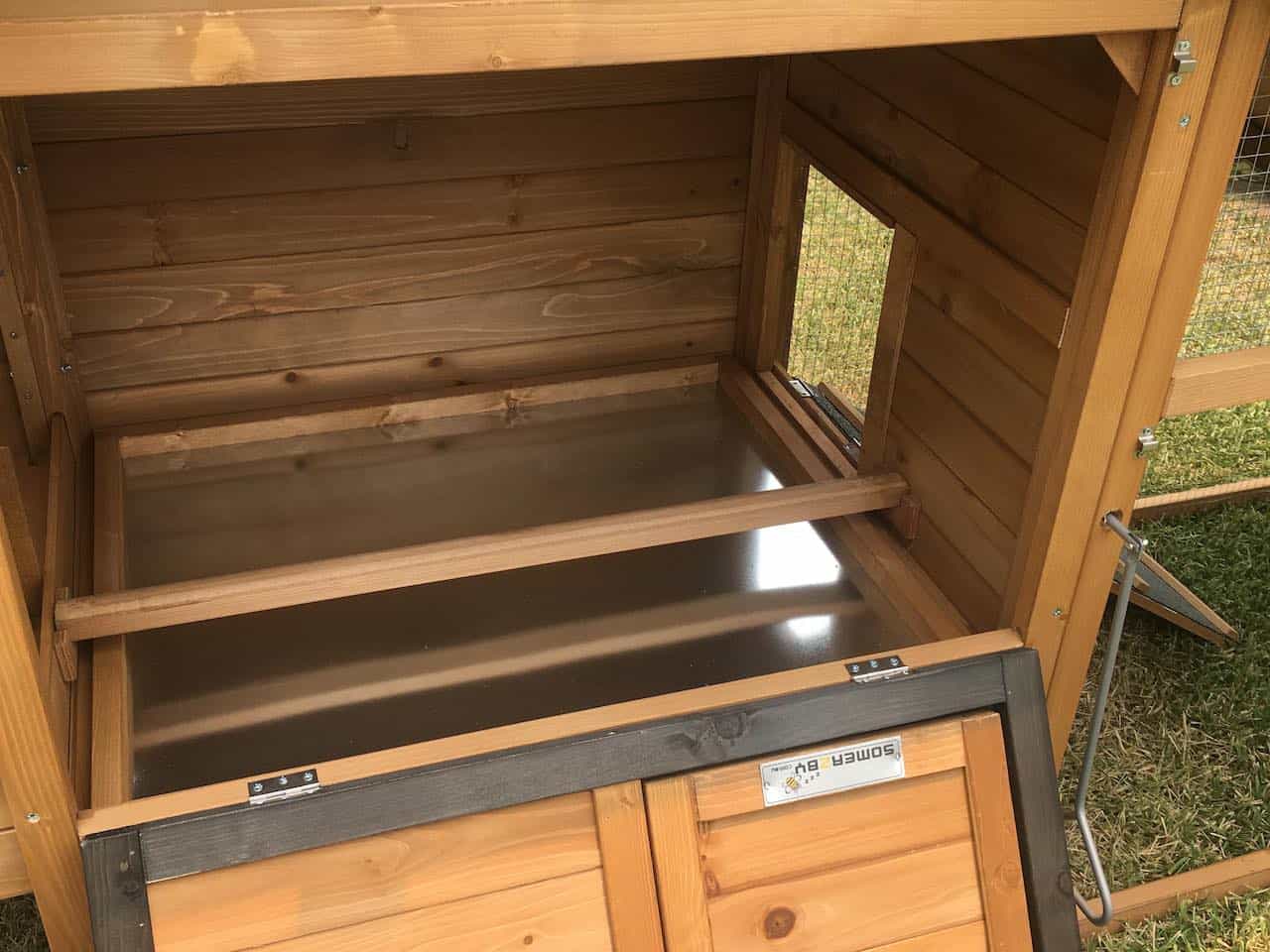
When selecting a chicken coop, choose one that provides comfort and security for your flock. It should be spacious enough for all hens, include perches and nesting boxes, offer good ventilation, provide shelter from weather, and be made from sturdy timber that also insulates.
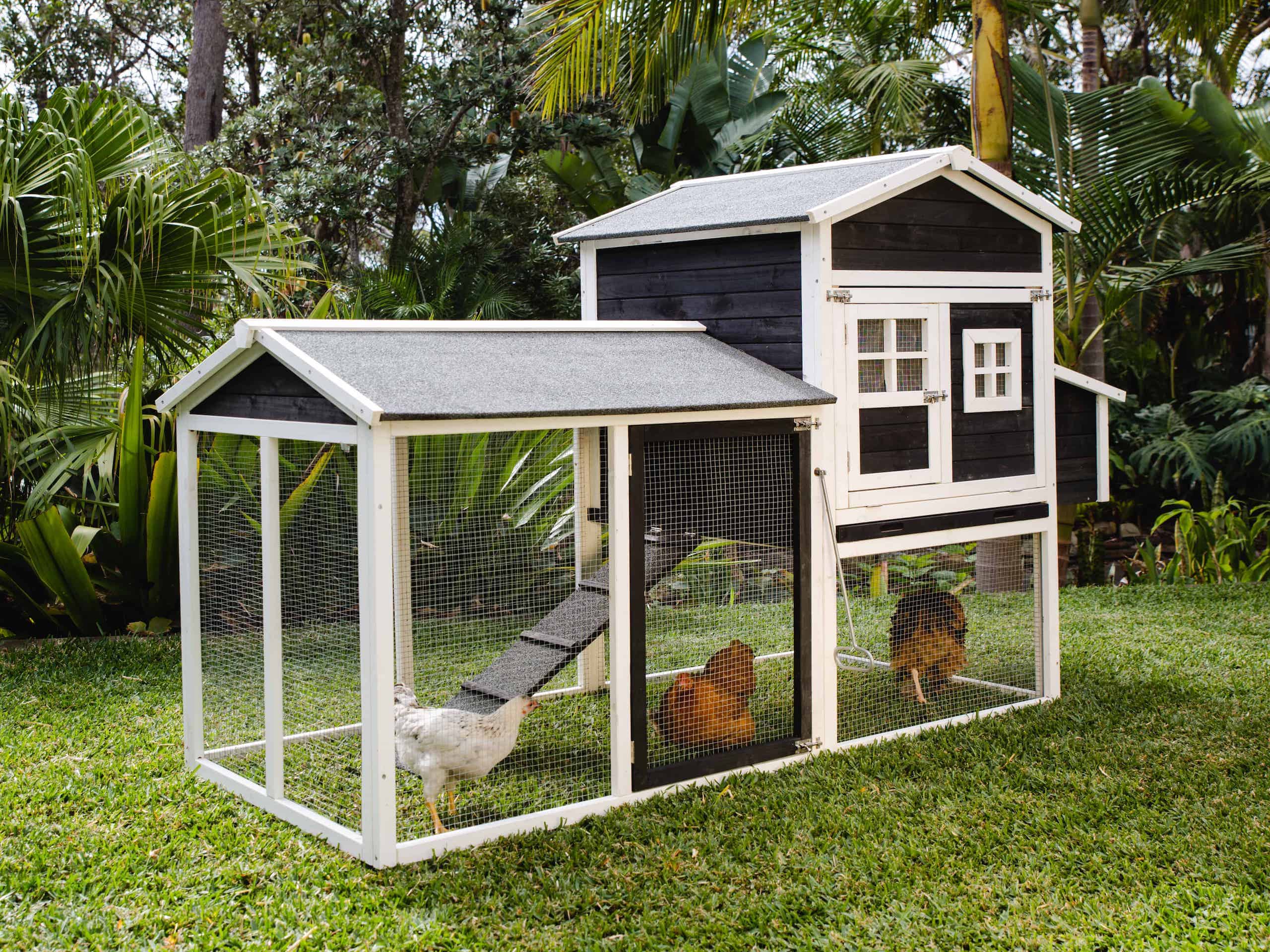
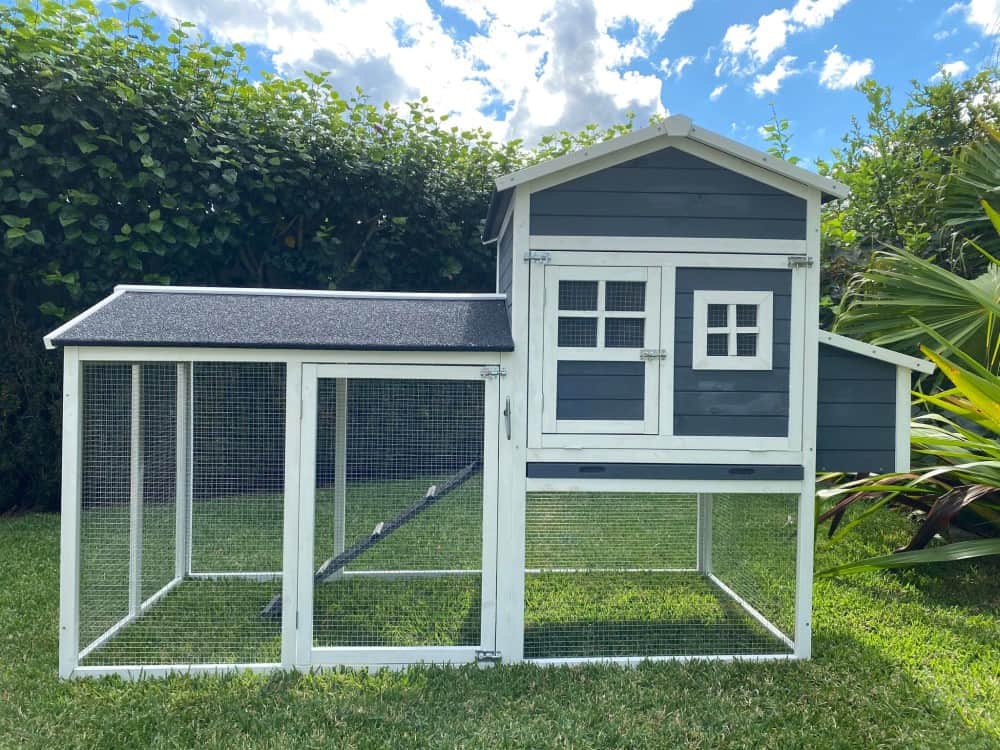
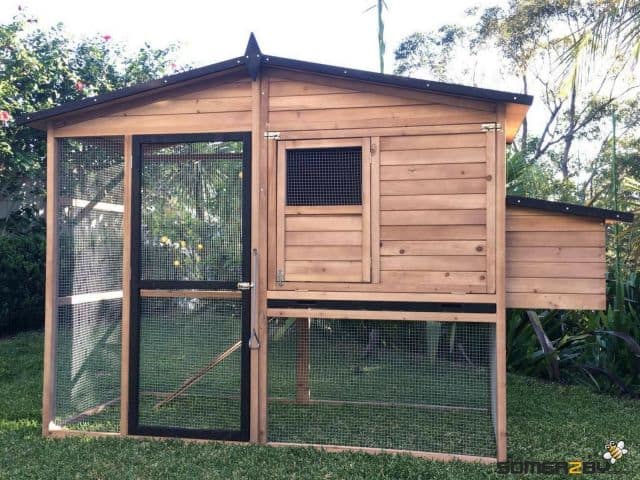
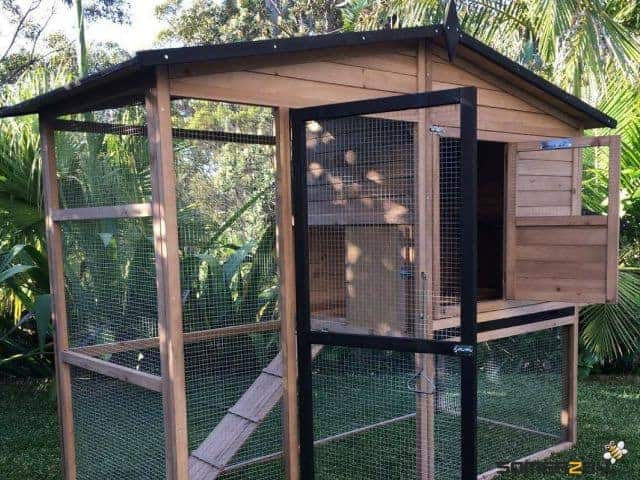
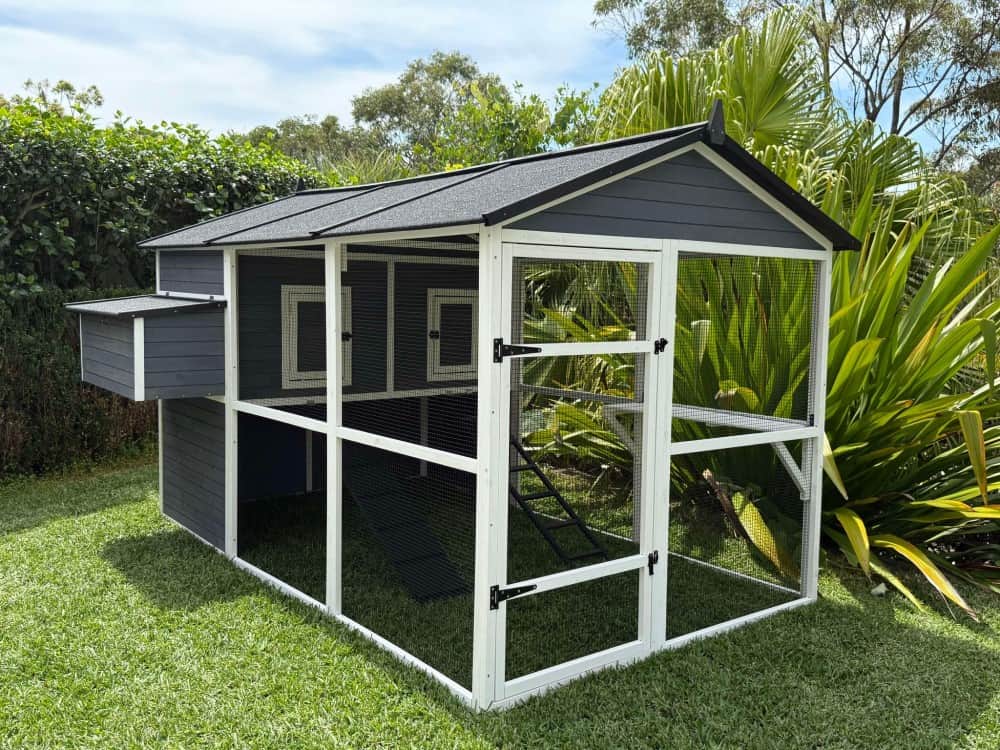
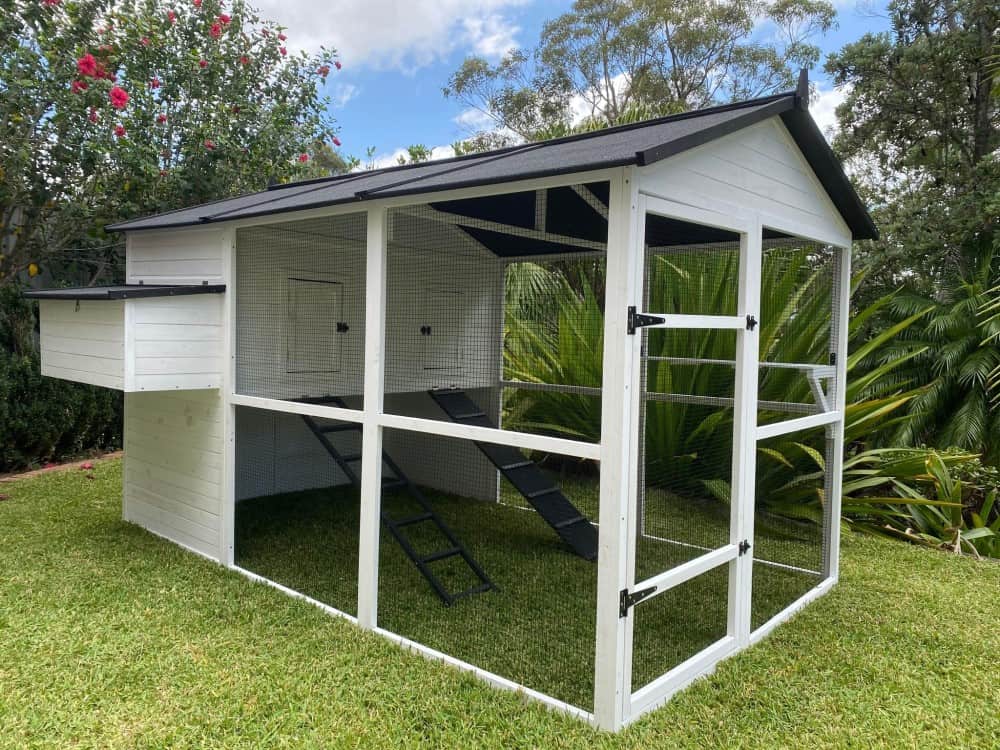
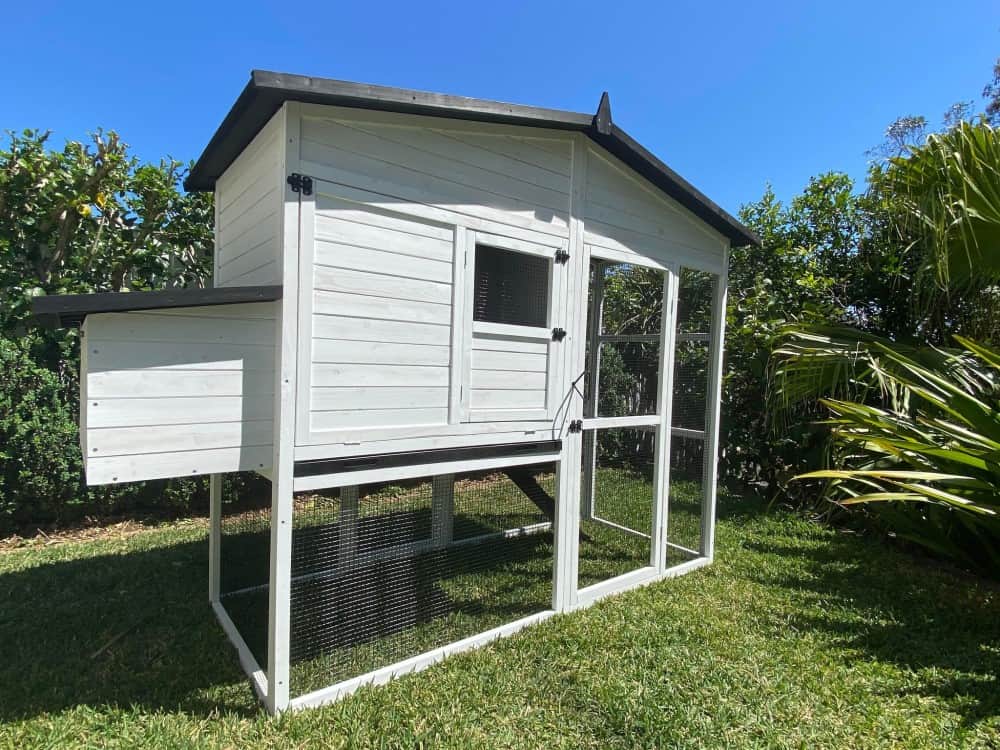
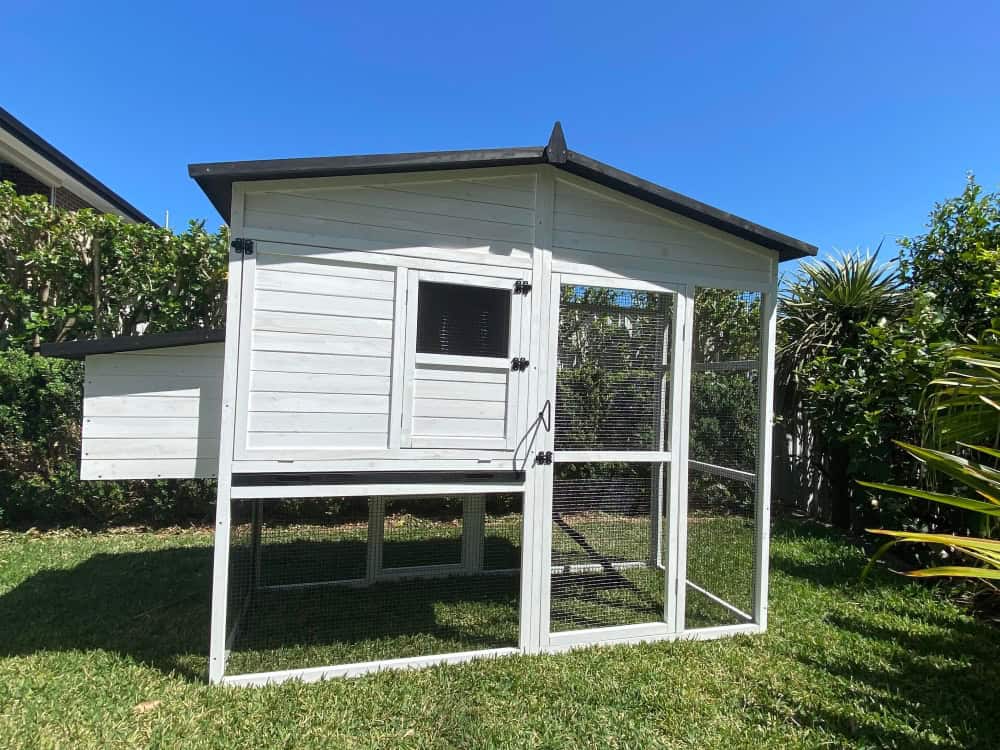
Somerzby coops meet all these needs, helping chickens feel safe and comfortable, making them more likely to naturally return to their coop each night.
All Products
All Products
All Products
All Products
All Products
All Products
All Products
All Products
Chickens
All Products
FAQ
What are the signs of a broody hen?
A broody hen will often sit in her nesting box all day, fluff her feathers out, and may become aggressive if disturbed. She may also cluck persistently and refuse to leave the nest even when encouraged. Additionally, a broody hen might pull feathers from her breast to keep eggs warm and can be less active, focusing primarily on nesting.
How to introduce new chickens to an existing flock?
Introduce new chickens gradually to minimize stress and aggression. Start by housing the newcomers in a separate, adjacent area where they can see and hear the existing flock without direct contact. After a week, allow short, supervised interactions and gradually increase their time together daily. Always monitor for bullying and ensure there are ample resources to reduce competition.
What are the best chicken breeds for beginners?
For beginners, easygoing and hardy breeds are recommended, including Australorps, Sussex, and Orpingtons. These breeds are known for their friendliness, ease of handling, and egg-laying prowess, making them ideal for first-time chicken keepers. They are also adaptable to various environments, making them versatile for different Australian climates.
How can I tell if my chickens are stressed?
Signs of stress in chickens include reduced egg production, feather plucking, changes in eating habits, and increased vocalization. Chickens may also exhibit lethargic behavior or excessive hiding. Stress factors can include environmental changes, predator threats, or inadequate living conditions, so it’s essential to identify and address the causes promptly.
What should I do if my chickens are still not returning to the coop?
If your chickens aren’t returning to the coop, ensure it’s a comfortable and safe environment by checking for predators, pests, or uncomfortable conditions. Re-establish a consistent routine and use treats or lighting to guide them in. If issues persist, consider blocking alternative roosting spots and supervise them until they consistently return.
How often should I clean the chicken coop?
The chicken coop should be cleaned weekly to ensure a healthy environment for your flock. Remove droppings and replace bedding regularly to prevent pest infestations and odor buildup. Thorough cleaning, including sanitizing surfaces and deep cleaning nesting areas, should be conducted every few months.
What are the signs of a healthy chicken?
A healthy chicken should be active with bright eyes, shiny feathers, and a clean, dry nostril area. Additionally, they should have a red comb and wattles and maintain steady eating and drinking habits. Their eggs should have strong shells, indicating good health and nutrition.
Toni’s Wrap
Training chickens to go back into their coop takes patience and understanding of their needs. By establishing routines, creating a welcoming coop environment and addressing any potential stressors, you can successfully guide your flock back to their coop.
These are the foundations of how to get chickens back in the coop effortlessly. Remember to stay patient and observant, adapting your approach as needed to ensure a smooth transition.
Related Blogs