


Nov
 ChatGPT
 Claude
 Perplexity
 Grok
Grok
 Google AI
 You
You
 WhatsApp
 LinkedIn
When the hot weather hits, it’s not just people who feel the heat, our pets do too. Dogs are especially vulnerable during summer, as they can quickly suffer from heat stress or overheating if not properly cared for. Unlike humans, they can’t sweat to cool down, making it crucial to take extra precautions. We’ll share our top 9 tips to keep your dog cool and comfortable, even without air conditioning. From hydration hacks to creative cooling methods, these practical ideas will help ensure your furry friend stays safe, happy, and healthy all summer long..
Key Takeaways
- Provide shade, fresh water, and limit outdoor activity during peak heat to prevent overheating.
- Consider how the sun moves throughout the day when setting up shaded areas or kennels to keep your dog cool.
- Watch for signs of heat stress, such as panting, increased heart rate or lethargy.
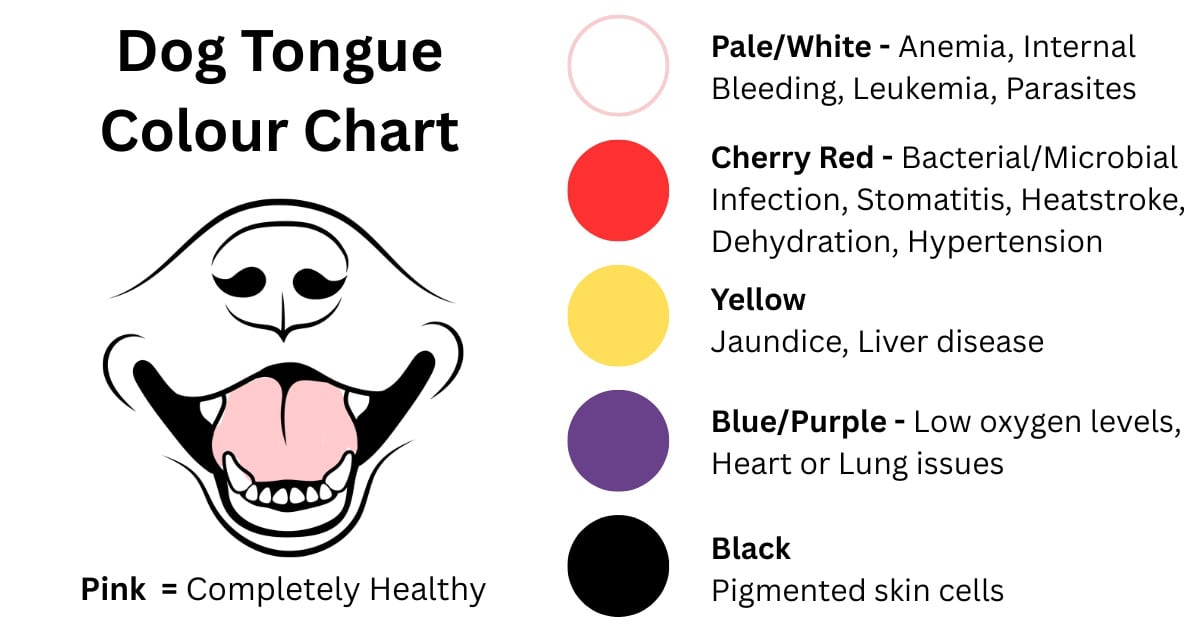
- Monitor your dog’s gums and tongue, if they turn blue or purple instead of healthy pink, it may signal oxygen loss or heatstroke. Seek immediate veterinary care.
1. Provide Plenty of Fresh Water
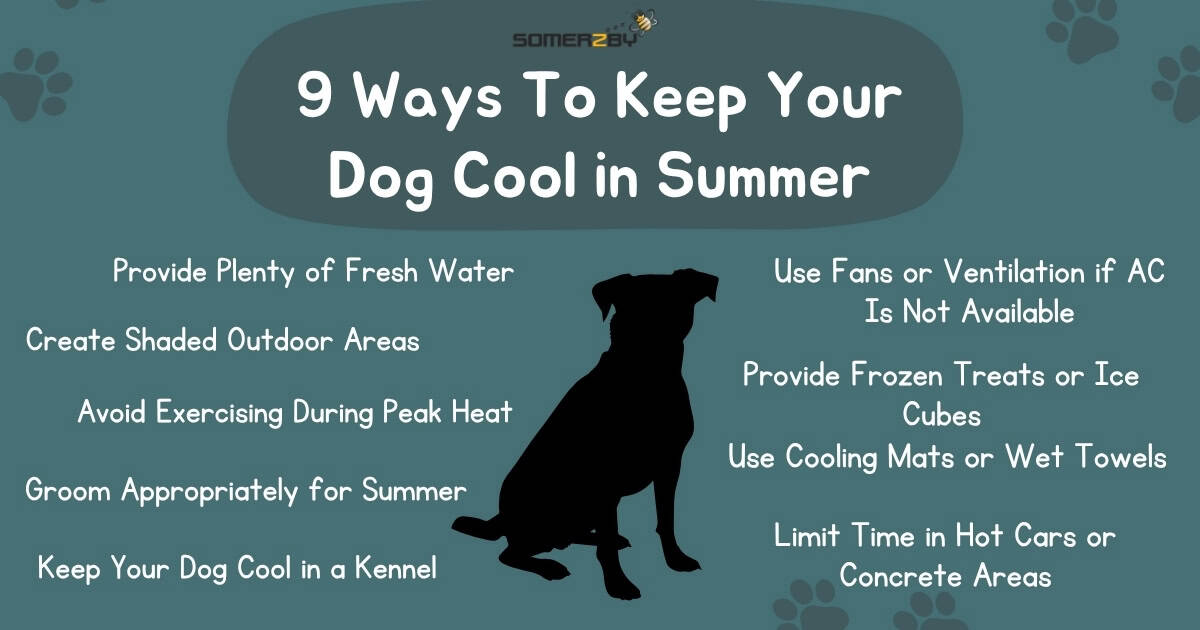
It’s essential to provide dogs with constant access to fresh water, as it helps them regulate their body temperature and prevent dehydration or heatstroke, particularly on very hot days. Dogs don’t sweat like humans, they release heat mainly by panting, which causes them to lose moisture quickly. Always ensure your dog has constant access to clean drinking water, checking bowls often and refilling with cold water throughout the day. A few ice cubes can also help keep the water refreshingly cool and encourage your pup to drink more.
2. Create Shaded Outdoor Areas
Creating shaded areas outdoors is essential to keep your dog cool in summer. Protecting your pup from direct sunlight helps prevent overheating and sunburn. Set up shady spots in your yard or garden using trees, umbrellas, or shade cloths where your dog can relax away from the hot sun. Providing plenty of shade ensures your dog always has a cool, comfortable place to retreat during warm days.
3. Avoid Exercising During Peak Heat
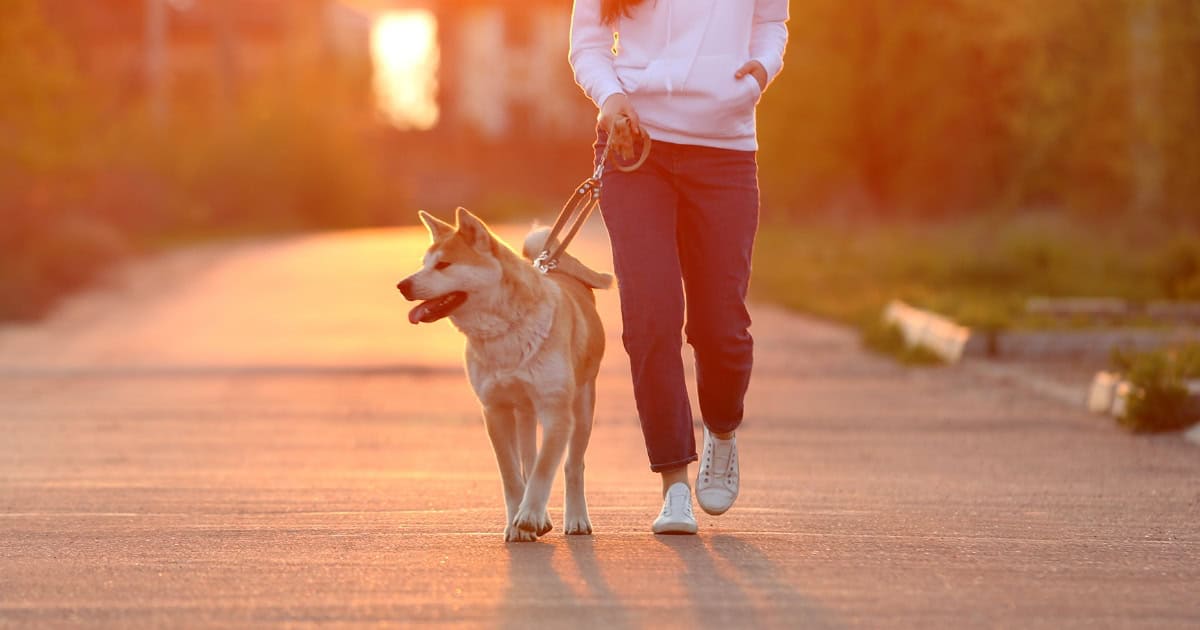
To keep your dog cool, avoid exercising during the hottest parts of the day. Schedule walks or play sessions in the early morning before 9am or late afternoon after 5pm when the ground is cooler and safer on their feet. Exercising in direct sunlight or on very hot days can quickly lead to heat stress or burned paw pads. Choosing cooler times helps protect your dog’s health and makes outdoor activities more enjoyable.
4. Use Cooling Mats or Wet Towels
Cooling mats and damp towels are excellent tools to help keep your dog cool on hot days. Products like the Arctic Cooling Mat provide a refreshing surface for your pup to lie on, helping to lower their body temperature quickly. You can also use wet towels or an ice pack wrapped in a towel for immediate relief. Incorporating these cooling options into your dog’s daily routine helps them stay comfortable and safe during the summer heat.
5. Provide Frozen Treats or Ice Cubes
Ice cubes, frozen treats, or paddling pools are fun and effective ways to keep your dog cool and hydrated. Using safe frozen treats like pureed fruit or cooked chopped chicken helps lower your dog’s body temperature while providing a tasty snack. Tools like a silicone mould or ice tray make creating these treats easy and mess-free. Try freezing one bowl and placing it beside another full of cool water. Once it melts from the warm air, your dog will have a second bowl of refreshing water to enjoy.
6. Limit Time in Hot Cars or Concrete Areas
Leaving dogs in cars or on hot surfaces can be extremely dangerous. Even a few minutes in direct sun can raise a dog’s body temperature quickly, increasing the risk of heatstroke or organ failure, especially in dogs with medical conditions. Always keep your dog indoors or in shaded areas on very hot days, and never leave them unattended in a car. If you notice signs of overheating, such as heavy panting, drooling, or lethargy, contact your local vet immediately to ensure your dog’s safety.
7. Groom Appropriately for Summer
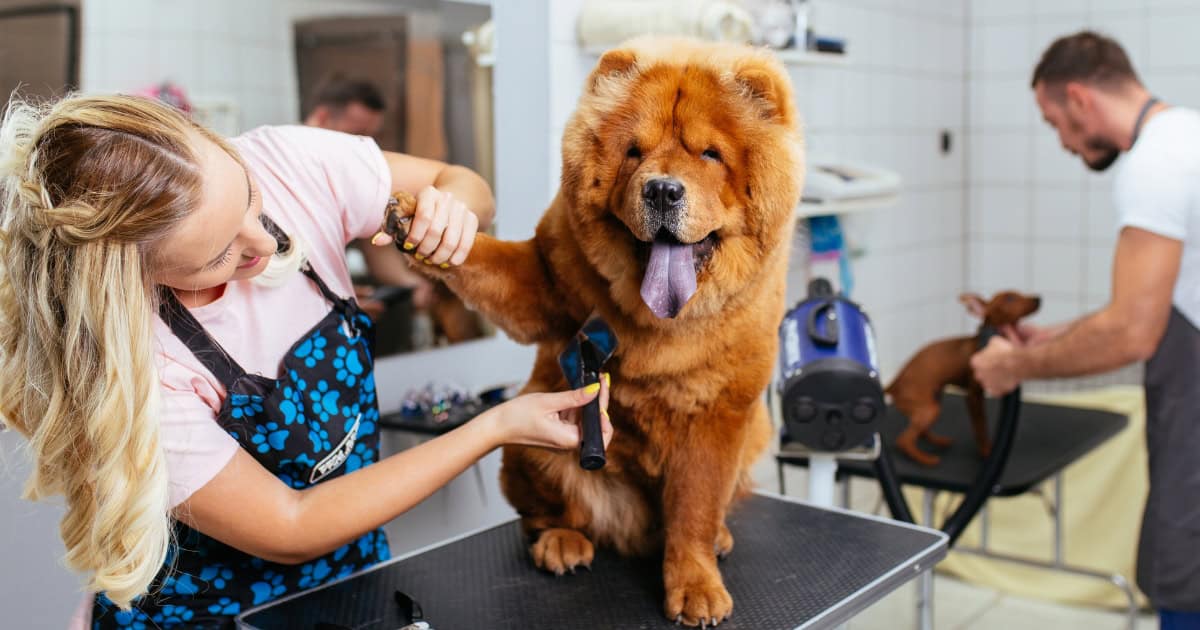
Grooming appropriately for summer helps dogs stay cool while maintaining their natural protection from the sun. Trimming long hair or keeping a well-groomed coat improves airflow and comfort, especially for older dogs, Cavalier King Charles Spaniels, French Bulldogs, and even hairless dogs, who may need extra care in the heat. Regular grooming reduces the risk of heat stress and keeps your dog comfortable during warmer months, making outdoor time safer and more enjoyable for all breeds.
8. Use Fans or Ventilation if AC Is Not Available
If air conditioning isn’t available, fans, open windows, and proper ventilation can help keep your house cooler and your dog cool in summer. Creating areas with circulating cool air allows dogs to escape the heat and stay comfortable during hot weather. Ensure your dog always has access to these cooler spots indoors, and monitor them for signs of overheating. Simple airflow solutions can make a big difference in keeping your pup safe and comfortable.
9. Keep Your Dog Cool in a Kennel
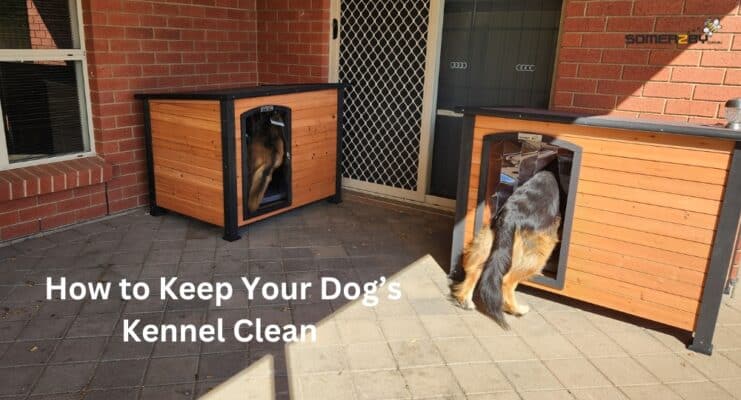
Kennels can trap heat, making dogs uncomfortable and increasing the risk of overheating, especially on very hot days. To keep your dog cool, ensure the kennel has proper ventilation and place the kennel in a shaded area. Consider how the sun moves throughout the day when choosing the spot. Adding cooling mats or wet towels inside and providing plenty of fresh water helps maintain a comfortable temperature and keeps your dog safe during summer.
Signs Your Dog Is Overheating
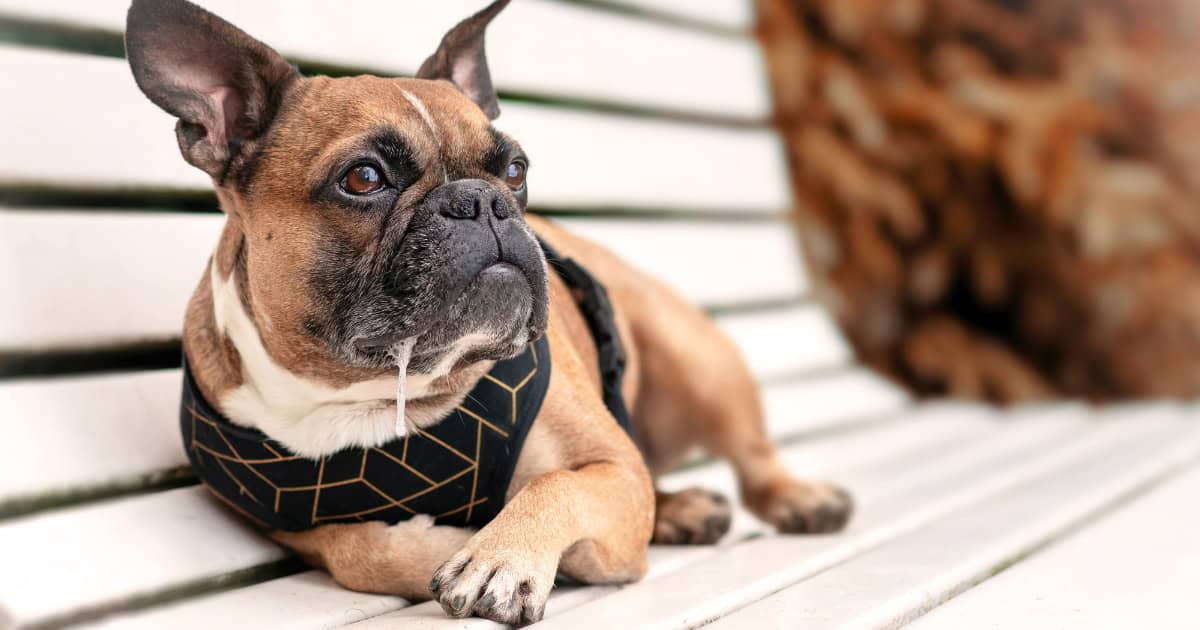
Heavy Panting and Drooling
Excessive panting or drooling is an early sign that your dog is struggling with heat. These symptoms indicate rising body temperature and potential breathing problems, which can affect your dog’s health. If you notice heavy panting or drooling, move your dog to a cool, shaded area immediately and provide fresh water to help lower their temperature and prevent heat-related illness.
Lethargy or Weakness:
Unusual tiredness, weakness, or reluctance to move can signal that your dog is overheating. These symptoms should not be ignored, as heat stress can quickly become dangerous. Act quickly by moving your dog to a cool area, offering hydration, and monitoring closely. If their condition does not improve, contact a vet immediately to ensure your dog receives professional care and avoids serious complications.
Increased Heart Rate:
A rapid heartbeat is one of the first signs that your dog’s body temperature may be rising too high. On hot days, their body works harder to stay cool, which can cause the heart rate to increase, a clear sign of heat stress. Keep an eye on your dog’s temperature and monitor their pulse by gently checking the groin (femoral pulse) area. If you notice an unusually fast heartbeat, it’s best to reduce activity immediately, move your dog to a shaded or cooler spot, and offer fresh water to help lower their body temperature safely.
Blue or Purple Gums and Tongue:
Most dogs have healthy pink gums and tongues, which is a good sign that their blood is well-oxygenated. However, if you notice your dog’s gums or tongue turning blue or purple, it’s a serious warning sign that something is wrong.
This change in colour can occur due to heatstroke or other medical conditions that affect the lungs or heart. The underlying issue is often linked to the lungs and circulatory system not working properly, a condition known as Cyanosis. Cyanosis is a medical emergency, so seek immediate veterinary care, as prompt treatment is crucial to your dog’s health.
FAQ:
How Long Can I Safely Leave My Dog Outside on Hot Days?
Dogs should only be outside for short periods, and their time outdoors should be monitored carefully. Watch for signs of overheating and act quickly. Dogs can overheat in as little as seven seconds on hot surfaces. Always provide shade, water, and avoid prolonged exposure to keep your dog cool and safe.
Are Certain Breeds More Prone to Heat Stress?
While any dog can suffer from heat stress, breeds with short noses or thick coats are especially vulnerable. Take breed-specific precautions: limit outdoor activity during peak heat, provide plenty of water and shade, avoid hot surfaces, groom regularly, and never leave dogs in parked cars to keep them safe and comfortable.
What Should I Do If My Dog Shows Signs of Heatstroke?
If your dog shows signs of heatstroke, heavy panting, drooling, weakness, or vomiting, act immediately. Move them to a cool, shaded area, offer small sips of water, and use wet towels or a fan to lower their temperature. Contact your vet immediately, as heatstroke can be life-threatening.
Toni’s Wrap
As a dog mum myself, I know how tough the summer heat can be on our furry friends. The good news is, with a few simple steps, we can help them stay cool and happy all season long. Keep plenty of fresh water available, offer shade, and save walks for early mornings or late afternoons. A cooling mat or a few frozen treats can make a world of difference too! Most importantly, keep an eye out for signs of overheating. Our pups rely on us to keep them safe and comfortable when the weather warms up.
Related Blogs