


Oct
 ChatGPT
 Claude
 Perplexity
 Grok
Grok
 Google AI
 You
You
 WhatsApp
 LinkedIn
Raising your baby chicks into chickens is a rewarding process, even more rewarding when you feel the joy of when they lay their first egg. Collecting fresh eggs each morning becomes a fun process where you and your hens share a daily ritual. However, it can be disappointing when you check on your hens in the morning, only to realise they have laid fewer eggs than they usually would or less than you would like.
It’s okay to be frustrated with your hens’ laying habits, and you shouldn’t be in a scramble to find immediate solutions. We have practical and reliable ways to encourage them to lay and improve egg production that won’t compromise your backyard chicken’s health or happiness.
We want to show you how proper hen nutrition, a comfortable coop and attentive care can help your hens lay more consistently and ensure each morning in your chicken coup is sunny side up.
Read on for in-depth ideas so that you can enjoy more high-quality eggs from your hens while keeping the flock healthy, happy and thriving.
Key Takeaways
- Support consistent egg production by providing a balanced diet, fresh water, comfortable housing, proper light and attentive health care for your laying hens.
- It’s normal for hens to stop laying due to winter, moulting or ageing.
How to Get Chickens to Lay Eggs
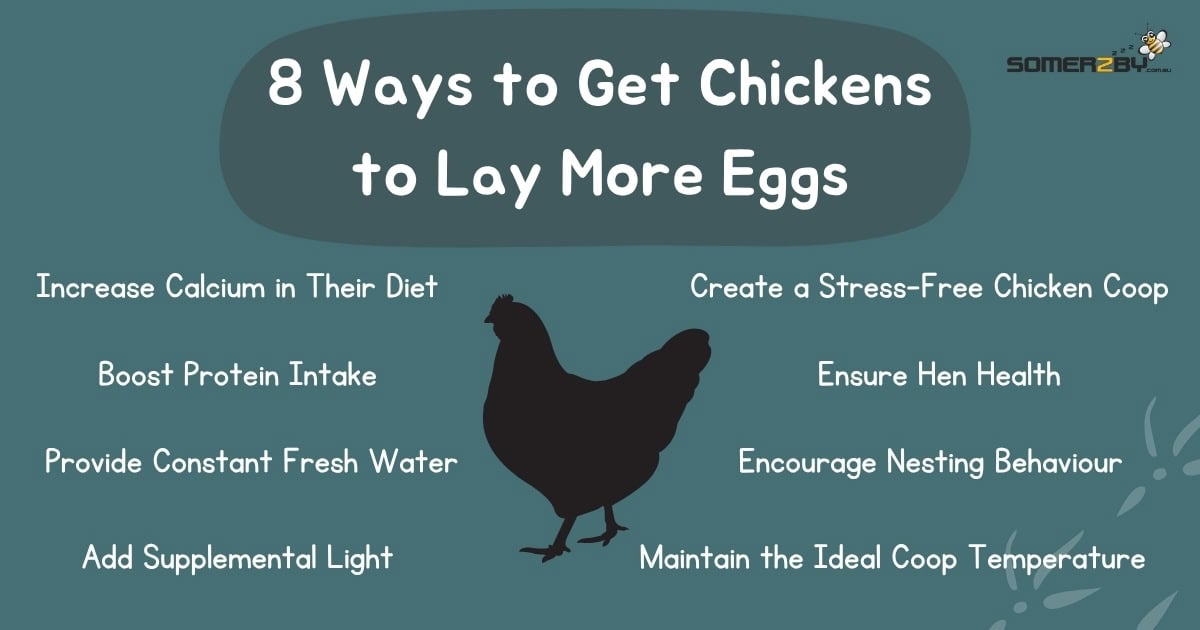
1. Boost Protein Intake
Poor nutrition is one of the most common reasons hens stop laying. Egg production can be greatly affected by inadequate protein in a backyard chicken’s diet, as protein provides the amino acids needed to form egg whites and yolks.
To ensure your chickens receive protein in their diets, feed your flock a quality layer feed with 16–18% protein to support healthy, consistent laying. Avoid seed mixes, as hens often pick out their favourite bits and miss key nutrients. You can also offer mealworms or sunflower seeds as high-protein treats to help restore steady egg production.
2. Increase Calcium in Their Diet
Calcium is essential for strong, healthy egg shells, and without enough, hens may produce weaker shells or reduce laying altogether.
When you’re looking to increase calcium in your flock’s diet, give them a quality layer feed that includes adequate calcium, and consider offering shell grit, crushed egg shells or crushed oyster shells as supplements to boost their calcium further. These additions help hens get the calcium they need to form sturdy shells and maintain regular egg production.
3. Fresh Water is Crucial
Hens need free access to fresh water sources to maintain good chicken health and support consistent egg production. The reason this is important is that eggs are mostly water, so without enough, hens may lay fewer or smaller eggs.
Provide your flock with fresh, clean water daily. Each hen typically needs around 500ml per day, with more needed in hot weather. In larger flocks, offer multiple drinkers so every hen can stay hydrated and lay reliably. Provide water bottle solutions for your hens, water feeders or a consistent stream to hydrate your flock effectively.
4. Add Supplemental Light
If you want to shine light on why your hens might not be laying as consistently as you’d like, consider the amount of light they are exposed to daily! Hens need enough light to support regular egg production, as light stimulates hormones in the hen’s brain that signal the ovaries to produce eggs, which is why chickens start laying eggs more frequently during longer days in summer.
Some people use artificial light to encourage hens to lay more eggs. This technically works, but we don’t believe it is ethical, as your hens need natural rest periods, which these light sources don’t facilitate. Plus, lights can be a fire hazard if not set up correctly, which is a risk that isn’t worth the safety of your flock.
5. Create a Stress-Free Chicken Coop
Stress can stop chickens from laying eggs by disrupting the hormonal signals that control reproduction. A calm, safe environment helps maintain chicken health and supports consistent egg production.
Minimise stress in your flock by:
- Preventing overcrowding with plenty of space and enough nesting boxes.
- Keeping predators away, as even the sight of foxes, rats or snakes can alarm hens.
- Managing interactions with children or pets to avoid disturbances.
- Ensuring adequate food, water and resources for every bird.
- Supporting positive flock dynamics to reduce bullying or violence.
- Avoiding sudden changes like moving the coop.
6. Maintain the Ideal Coop Temperature
Hens that are too cold or too hot may become stressed, which can cause them to skip laying that day. You can make seasonal adjustments to keep your flock comfortable. In summer, provide extra shade, ventilation, and frozen water bottles to help keep the coop cool. In winter, block drafts with coverings on windows and add extra bedding to insulate their sleeping area.
7. Encourage Nesting Behaviour
Hens need a comfortable, safe nesting box to lay successfully. Providing enough nesting spaces (at least one nesting box for every three hens) helps reduce competition and stress.
Keep boxes clean by regularly replacing bedding and removing soiled material, and avoid rotting wood or damp surfaces that can discourage hens from using them. Soft, absorbent bedding that hens enjoy sitting on will encourage them to settle in and maintain consistent egg laying.
8. Ensure Hen Health
If your hens have stopped laying, it may be a sign of poor chicken health, which you should get checked immediately. To avoid any serious health issues, regularly check your flock and seek veterinary care if you notice any of the following symptoms:
- Internal parasites
- Chicken mites or external parasites
- Egg binding
- Respiratory infections
- Nutritional deficiencies
Why Do Chickens Stop Laying Eggs?
While it can be worrisome when a chicken stops laying eggs, there are some natural reasons why this happens that are completely normal and a part of their life cycle. When these natural changes occur in your chickens, it’s best not to try to force them to lay or worry about their health too much. Instead, be patient with your flock and help them where you can.
Winter
During winter, shorter days mean less daylight, which reduces the hormonal signals that trigger egg production. The colder temperatures also encourage hens to conserve energy rather than lay. This seasonal slowdown is completely natural and should be accepted as a normal part of keeping chickens.
Chicken Moulting
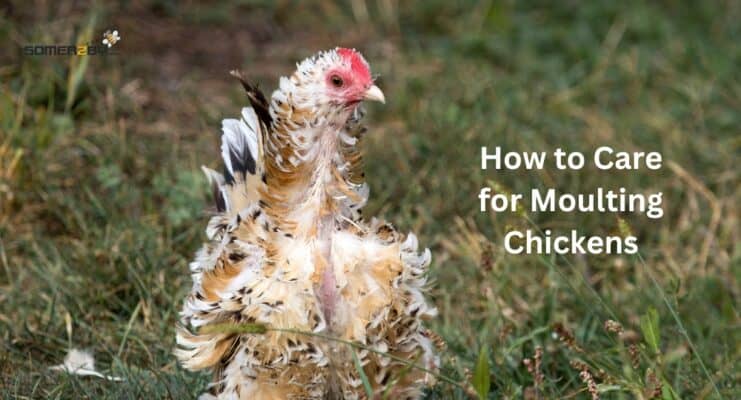
At the end of summer, chickens naturally begin to moult, shedding their old feathers and growing new feathers in their place. During this period, hens often lay fewer eggs or stop laying altogether because their bodies redirect protein and nutrients toward feather growth instead of egg production. This temporary pause is completely normal for most birds and allows your hens to restore their strength before laying resumes.
Chicken Age
Hens usually lay their first eggs at around five months old and produce the most eggs during their first few years. By about three years of age, their laying naturally begins to slow down, and many older hens stop laying completely by around five years old.
This gradual decline is a normal part of ageing. There’s no way to reverse it! Simply appreciate your older hens for their companionship and the joy they bring to your flock.
FAQ
How often should hens lay eggs?
During her prime laying years, a hen could lay up to 5 eggs per week. But this amount could drop significantly depending on breed, age, time of year, diet and health.
At what age do hens start laying eggs?
Chickens start laying eggs at around four or five months old. As soon as hens begin laying eggs, transition their food to a layer feed. This will provide them with extra protein, calcium and vitamins to support egg formation.
Do hens lay fewer eggs in winter?
Yes. Shorter daylight hours and cooler temperatures naturally result in decreased egg production over winter. You can help by keeping the coop warm (add extra bedding and block drafts to maintain a comfortable environment), but it’s important to remember this slowdown is temporary and completely normal.
Do hens lay better eggs when they are free-range?
Backyard flocks allowed to free-range for at least part of the day have access to a more varied diet, including plants and insects. This broader nutrient intake supports better chicken health, which can improve both the quality and quantity of their eggs. To stay safe, let them roam outdoors only within a secure, spacious chicken run.
Toni’s Wrap
Owning chickens can be incredibly rewarding, and understanding how to get chickens to lay eggs consistently is key for any chicken keeper. By focusing on proper nutrition, a comfortable environment, stress reduction and overall chicken health, you can encourage egg laying and support steady egg production.
Related Blogs