


Cats
How to Keep Cats Out of Your Yard Successfully
Mar
 ChatGPT
 Claude
 Perplexity
 Grok
Grok
 Google AI
 You
You
 WhatsApp
 LinkedIn
Sharing your outdoor space with feline neighbours can be delightful, but when their presence becomes a persistent issue, finding effective and humane methods how to keep cats out of your yard successfully becomes a priority.
In this comprehensive guide, we’ll explore a range of successful strategies, from innovative cat containment systems to natural deterrents, helping you reclaim your outdoor haven without compromising the well-being of our feline friends.
Ready to reclaim your outdoor space and learn how to keep cats out of your yard successfully? Let’s crack on then!
Understanding the Cat Intrusion Problem
If you’ve noticed a rise in cats coming to your garden, it’s vital to comprehend why this could be taking place.
Cats are naturally curious creatures and may wander into yards seeking food or shelter. However, they can also mark territory by spraying, which can draw in more cats.
Another factor could be a change in the environment around your home that makes it attractive for these animals – such as newly planted gardens or even changes to nearby properties driving them towards yours.
To effectively keep cats out of your yard, understanding their motivations is key. This way, we’re not just reacting but proactively creating a less inviting space for unwanted feline guests while ensuring our methods are humane and legal.
Legal and Ethical Considerations
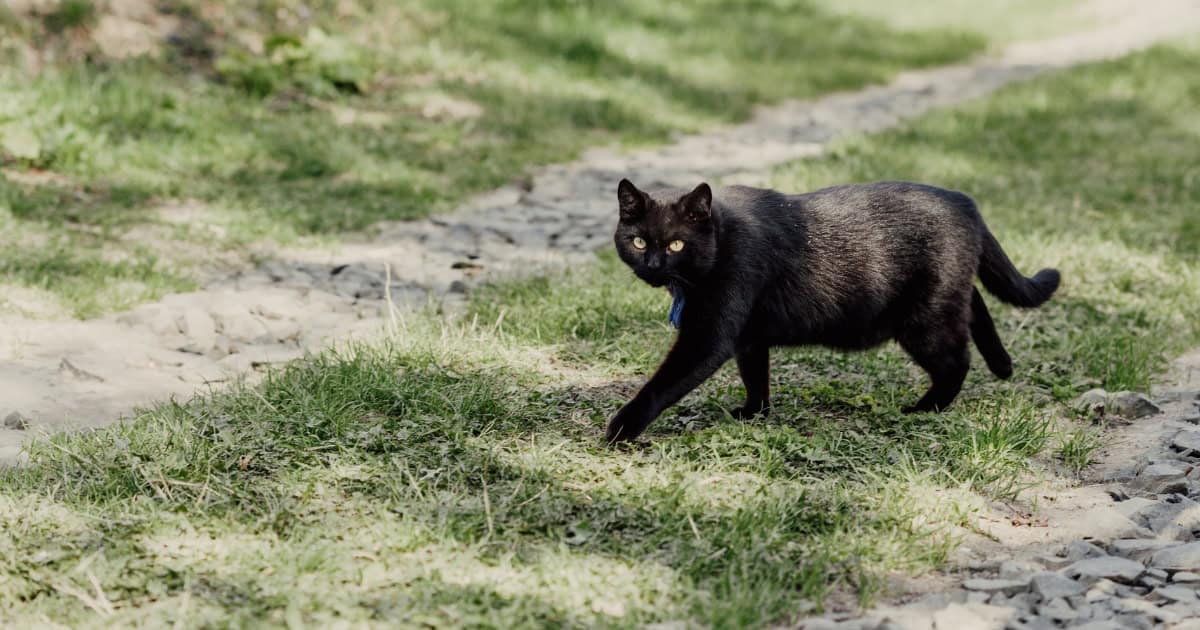
The first step to dealing with cats in your yard is understanding the legalities. In Australia, it’s illegal to harm or trap a cat without proper authority. But don’t worry, there are humane ways to deter them.
You can use harmless cat repellents like water sprayers or certain plants that cats dislike. Also, consider speaking with your neighbours if their pet cat often wanders into your yard.
In dealing with stray cats, check local council regulations about feeding or housing strays before taking any action. Always remember: our actions should not only be legal but also ethical and respectful towards all animals.
Physical Barriers to Deter Cats
Cats are agile creatures, but certain physical barriers can help keep them out of your yard.
Fencing: Install a fence around your yard. Make sure it is tall enough to prevent cats from jumping over. Some people use netting on top of the fence to make it even more difficult for cats to climb over.
Chicken Wire or Mesh: Lay chicken wire or mesh on the ground to discourage digging, especially in areas where cats like to dig. Cats often dislike the feeling of these materials on their paws.
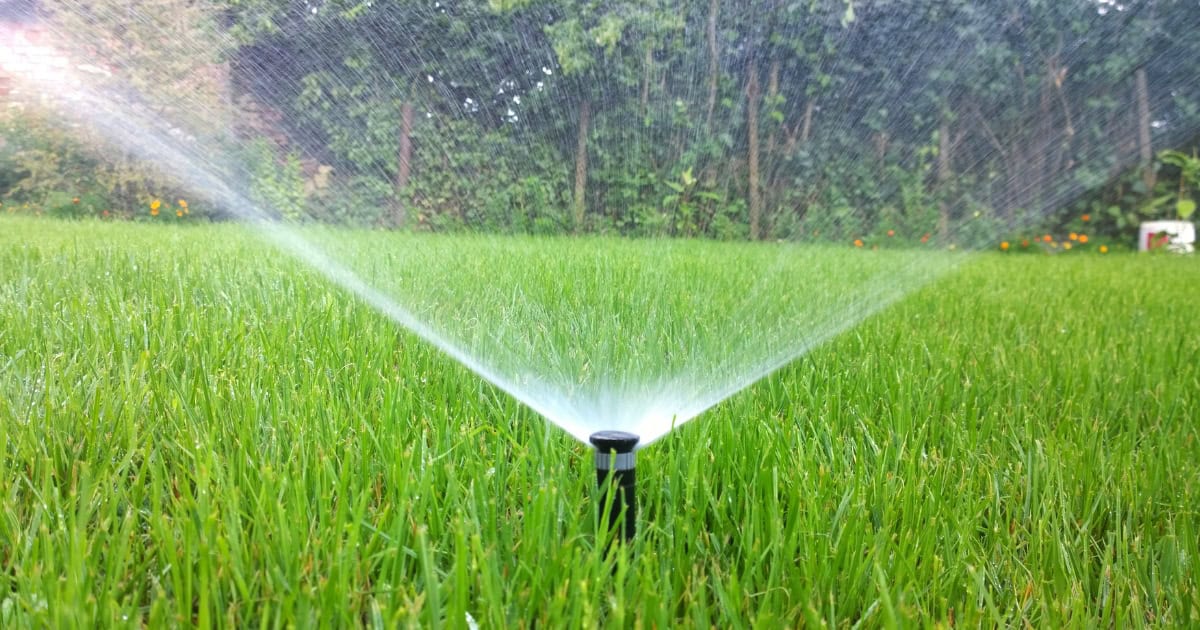
Motion Activated Sprinklers: Installing motion activated sprinklers in your yard can be a highly effective solution. Cats generally don’t like water, so the sudden spray can discourage them from entering.
Spiky Surfaces: Place spiky surfaces, such as prickly mats or plastic carpet runners with the pointy side up, in areas where cats like to walk or rest. This makes it uncomfortable for them to stay.
Scent Repellents: Sprinkle cayenne pepper, and coffee grounds or place lemon peels around your yard and flower beds. Cats often dislike the smell of these substances.
Ultrasonic Deterrents: Use ultrasonic devices that emit high frequency sounds when they detect motion. These sounds are unpleasant for cats but usually inaudible to humans.
Cat Repellent Sprays: Apply commercial cat repellent sprays to surfaces in your yard. These sprays often contain scents that cats find unpleasant.
Oscillot Cat Containment: Oscillot cat containment employs rotating paddles along fences, disrupting a cat’s climbing attempts. This humane solution deters without harm, making it challenging for cats to scale the fence and enter the yard.
Remember that it’s essential to be humane in your approach and avoid using methods that could harm the cats.
Additionally, maintaining a clean yard and eliminating potential food sources may also help reduce the attractiveness of your space to wandering cats.
Using Scents to Keep Cats Away
Cats are known for their sensitive noses. Certain smells can act as deterrents, keeping them away from your yard. Let’s explore some of these.
Natural Plant Deterrents
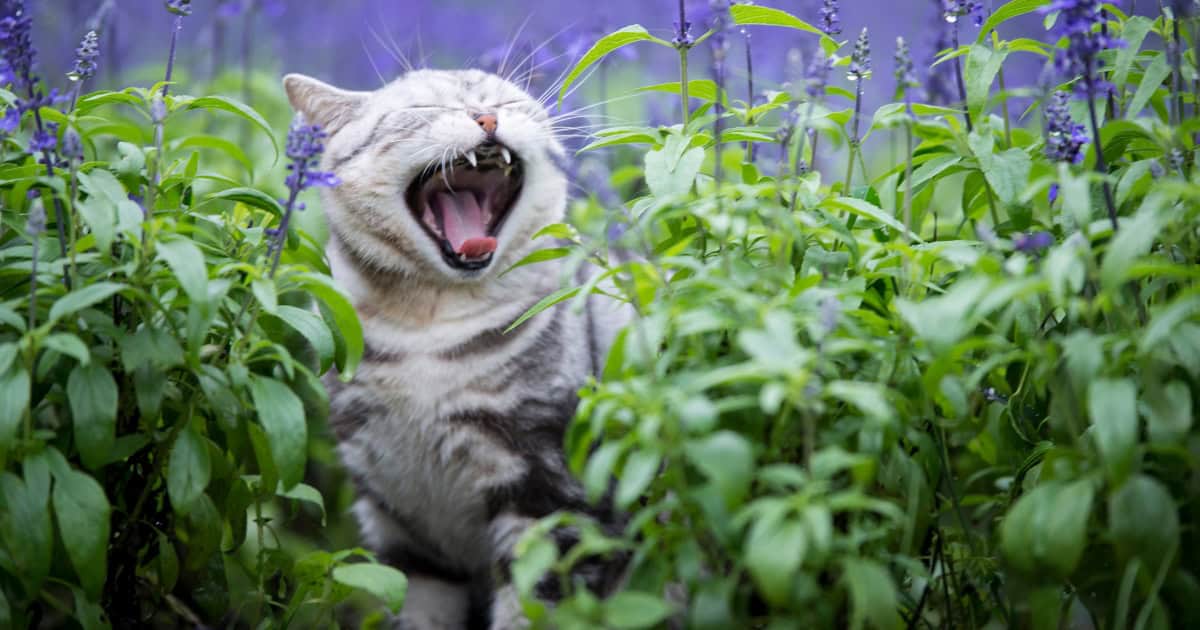
Plants like lavender and rue give off a scent that cats find unappealing. These plants can add a touch of loveliness to your garden while also helping to deter cats.
Essential Oils
Eucalyptus and citronella essential oils are another natural option. A few drops around the boundary of your yard can do wonders. But remember, it needs regular application due to weather changes.
Commercial Products
You’ll also find commercial products designed specifically for this purpose with non-toxic formulas safe for all pets.
Maintaining a Cat-Free Yard
Keeping your yard free of cats can be a challenge, but with consistent efforts, it’s achievable. Regular checks and updates to your strategies are key. You might need to adjust or replace deterrents as they wear out or if the local cat population becomes accustomed to them.
Cat-proof fencing, for example, is an excellent long-term solution but requires regular inspections for damage or potential escape routes. And remember: don’t neglect corners and overhangs where crafty felines could find their way in.
Deterrent devices like motion-activated sprinklers also demand routine checks to ensure they’re functioning correctly and haven’t been moved accidentally. So make sure you give these a once-over regularly.
FAQ
How do I choose the right cat repellent for my yard?
Choosing the right cat repellent depends on your specific needs and environmental preference. For a natural approach, consider using plants like lavender or repellents with essential oils. For more severe issues, commercial sprays and motion-activated devices provide stronger solutions. Assess the size of your yard, the severity of the cat problem, and any impacts on surrounding wildlife when making your decision.
What should I do if a neighbor’s cat keeps entering my yard?
If a neighbor’s cat is frequently in your yard, first have a polite conversation with the owner about your concerns. Suggest humane deterrents like motion-activated sprayers or ask if they could consider improved containment methods for their pet. If the issue persists, you may need to contact your local council for advice on further steps in managing roaming cats legally and ethically.
Toni’s Wrap
As we wrap up our journey on how to keep cats out of your yard, remember that a harmonious solution lies in understanding and balance.
Whether you opt for cat-friendly barriers, motion-activated surprises, or natural deterrents, the key is to create an environment that respects both your space and the roaming instincts of our feline companions.
Keeping cats at bay is no walk in the park, but with persistence and the right strategies, you’ll soon reclaim your yard!
Related Blogs