


Chickens, Info Guides
How Long Does It Take for a Chicken to Lay an Egg Naturally?
Dec
 ChatGPT
 Claude
 Perplexity
 Grok
Grok
 Google AI
 You
You
 WhatsApp
 LinkedIn
The entire process of forming and laying an egg typically takes a hen around 24 hours. However, most laying hens will only spend 10–30 minutes sitting in their nesting box preparing, followed by just a couple of minutes to actually push the egg out.
In this blog, we’ll outline the factors that impact egg laying for backyard chickens and share the best ways to encourage your chickens to lay.
Key Takeaways
- Most hens begin laying around 18–22 weeks old, but breed, health and environment all influence when your girls lay their first egg.
- A full egg takes about 24 hours to form, even though the actual laying part only takes a few minutes.
- Instead of daily egg production, most chickens follow an imperfect cycle, usually laying 4–6 eggs per week at their peak and slowing down as they age or when seasons change.
- Behaviour changes like exploring nest boxes, squatting and louder vocalising are strong clues your pullet is getting close to laying.
- Diet, housing, daylight hours and stress levels all play a major role in how consistently your hens lay.
- A safe, clean and comfortable coop helps hens feel secure enough to lay regularly and stay happy and healthy.
When Do Chickens Start Laying?
Egg laying usually begins when a hen is around 18–22 weeks of age. However, timelines can vary depending on breed, environment, overall health, and even the individual chicken.
Once your hens start laying, switch them to eating a layer feed. This food contains higher levels of calcium and protein to support strong eggshell development.
Typical Age Range
Most young hens begin laying between 18–22 weeks old, although it’s completely normal for some to start earlier or later. Let your girls develop at their own pace without being too concerned.
Their first few eggs may be small, have soft outer shells, or even contain no yolk or two yolks. Egg size and consistency usually become more regular by around 30 weeks of age.
Differences Between Breeds
Different breeds mature at different rates. High-producing chickens like Isa Browns and Australorps can sometimes start as early as 14 weeks!
Genetics also play a major role in determining when a hen begins laying because some breeds have been selectively bred to mature faster and produce more eggs. This means a hen’s inherited traits can influence both how early she starts laying and how consistently she produces eggs throughout her life.
How Long Does it Take for a Hen to Lay an Egg?
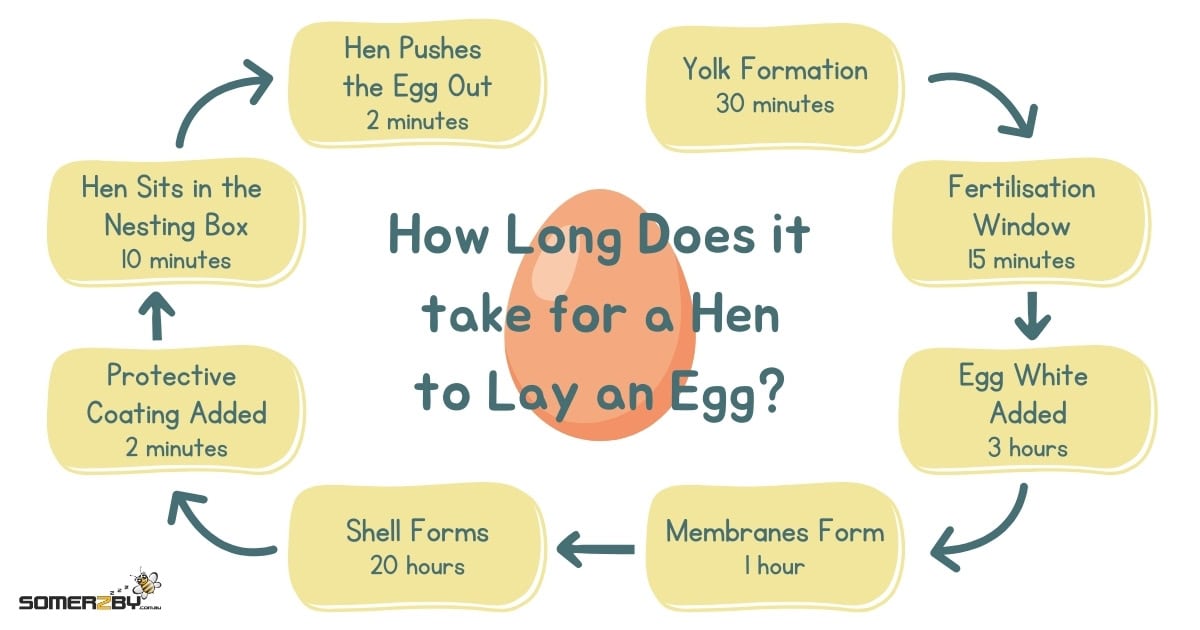
It takes the average hen 24 hours to form and lay an egg.
The process begins with the yolk forming in the ovary, which takes about 30 minutes, before moving into the infundibulum where fertilisation can occur. The egg then travels to the magnum, where the egg white forms over roughly three hours, and continues to the isthmus, where the membranes develop over one to two hours. The longest stage occurs in the uterus, where the hard shell forms over about 20 hours. Finally, a protective bloom is added as the egg is completed.
Once the egg is fully formed, the hen will sit in her nest for 10–30 minutes preparing to lay. The actual act of laying the egg usually takes only around two minutes.
How Often Do Chickens Lay Eggs?
When you first get chickens, many people will tell you that hens lay “one egg per day.” However, this is the absolute maximum during their peak laying years, not a guaranteed daily output.
Daily Laying Patterns
Egg laying is part of a hen’s natural reproductive cycle. Over roughly 24 hours, an egg is formed: the yolk develops first, then the egg white, and finally the shell. Because this cycle repeats continuously, a hen can lay an egg every 24 hours at her peak (whether or not the egg is fertilised).
Once one cycle ends, the next begins immediately, which is why hens in their prime may lay daily.
Natural Variability Between Hens
Just like humans, a chicken’s reproductive cycle varies from bird to bird. Even top laying breeds may only produce around four to five eggs per week, and individual hens can fluctuate from day to day.
As laying hens age, their cycle lengthens, meaning they lay less frequently. Over time, production slows noticeably until it eventually stops altogether, usually by around five years of age.
Signs Your Hen is Ready to Lay
When your hen is approaching her first egg, you may notice several common signs:
- Exploring or sitting in the nesting boxes: She may spend more time checking out where she will lay.
- Squatting: A natural posture hens adopt when ready to mate or prepare for laying.
- Increased vocalisation: More clucking or chatter as she becomes more active.
Other signs your pullet may show as she gets closer to laying include:
- Combs and wattles becoming redder and larger
- Spending more time with your rooster
To encourage her, place fake chicken eggs or golf balls in the nesting boxes. This helps show her exactly where to lay when the time comes.
Important Factors That Affect Egg-Laying
Breed and age aren’t the only factors that influence how many eggs your hens lay. There are several other areas you can optimise to encourage better egg production.
Diet and Nutrition
A good diet helps hens produce strong eggshells and lay more consistently. Once hens start laying, switch them to a layer feed, which is higher in protein and calcium. Delaying this switch can reduce the number or quality of eggs.
You can also supplement their diet with high-protein treats, like mealworms, and high-calcium options, such as oyster shell grit.
Housing, Space and Environment
A dirty or poorly ventilated coop can stress your hens and reduce egg production. To maximise laying, ensure the coop is well-ventilated, spacious enough with a large outdoor run, and cleaned regularly. Adding extra comfortable bedding (like straw or wood shavings) in the nesting boxes also helps, and should be replaced often.
Seasonal and Weather Changes
Hens naturally respond to light, laying more in spring and summer when days are longer. In winter, shorter and colder days usually lead to slower or paused laying. Extreme weather, such as strong winds or heatwaves, can also temporarily halt egg production.
Stress, Safety and Flock Dynamics
Hens may stop laying if they feel stressed or unsafe. They can be frightened by bullying within the flock, predators (even if only seen through a fence), loud noises, moving the coop, or pets and children running nearby. Minimising stress is key to maintaining consistent egg production.
When to Expect Egg Production to Slow Down
Hens don’t lay eggs forever, and their production naturally declines with age and seasonal changes.
Age-Related Decline
Like humans, laying hens are born with all the eggs they will ever have in their ovaries. They lay most consistently between 6 months and 3 years of age. From around 3 to 5 years, egg production gradually slows, and by 5 to 8 years, most chickens stop laying entirely.
Winter and Shorter Daylight Hours
Hens also respond to changes in light. As days become shorter and colder, they naturally reduce or pause egg laying. This is temporary and often coincides with moulting, when hens stop laying so their protein can be redirected to regrowing feathers.

All Products


Chickens


All Products
All Products
All Products

All Products

All Products
All Products

Chickens


All Products
All Products
Help Your Laying Hens with Somerzby Chicken Coops
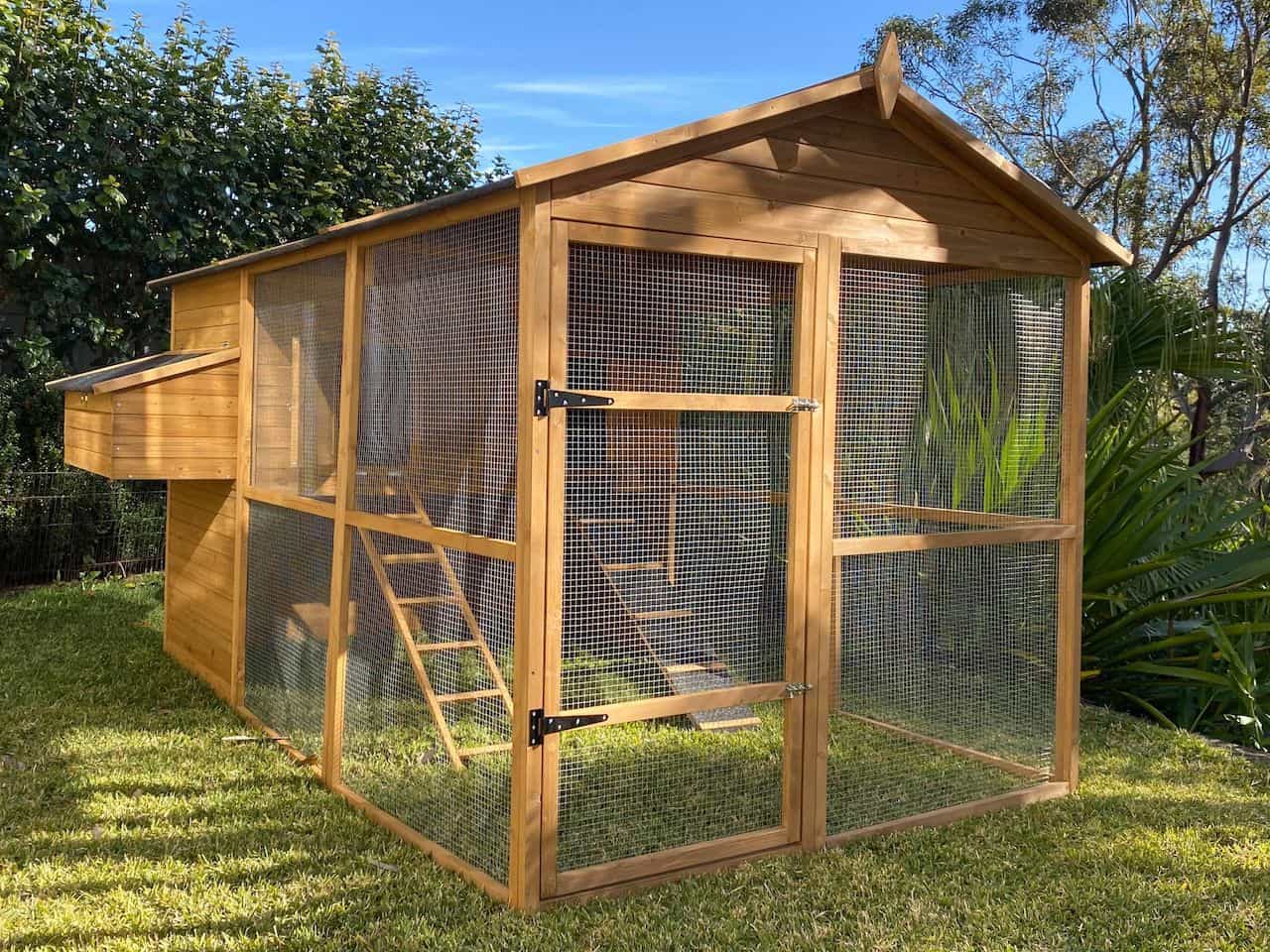
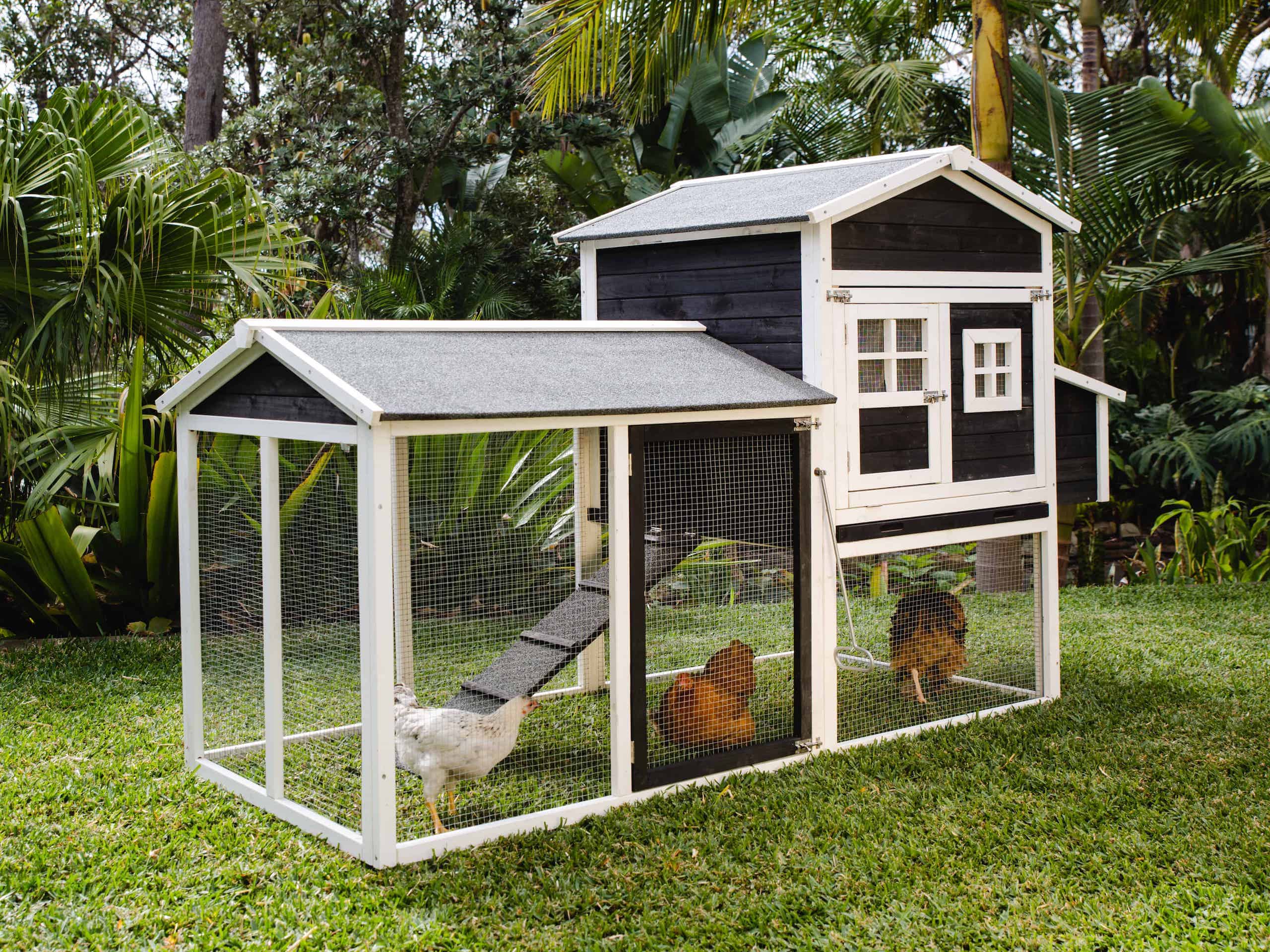
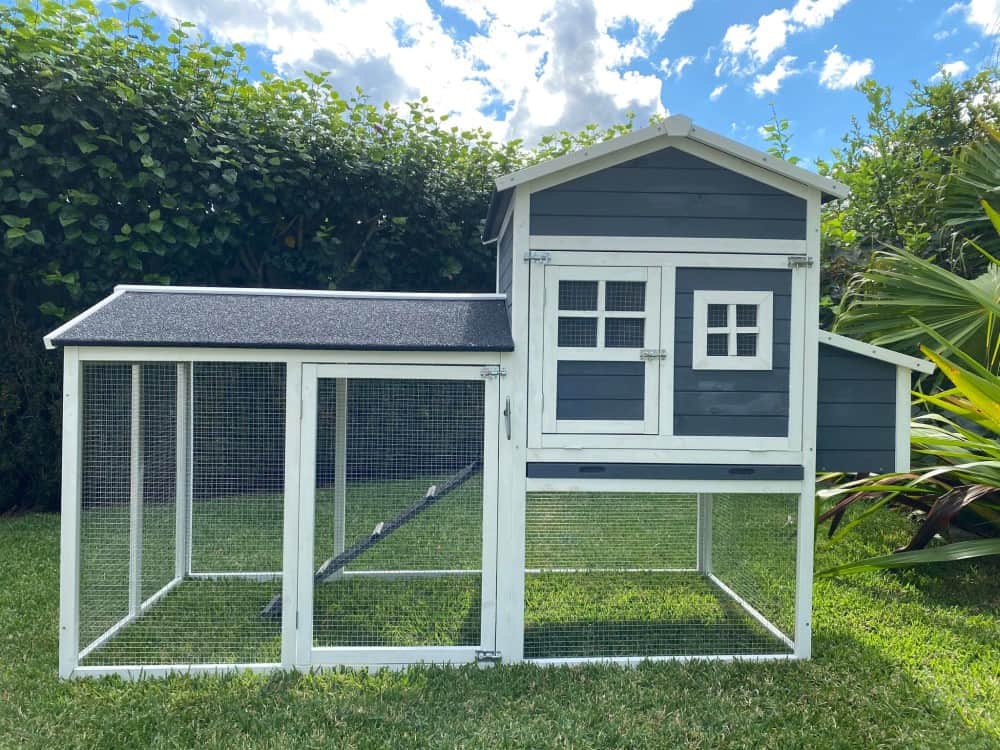
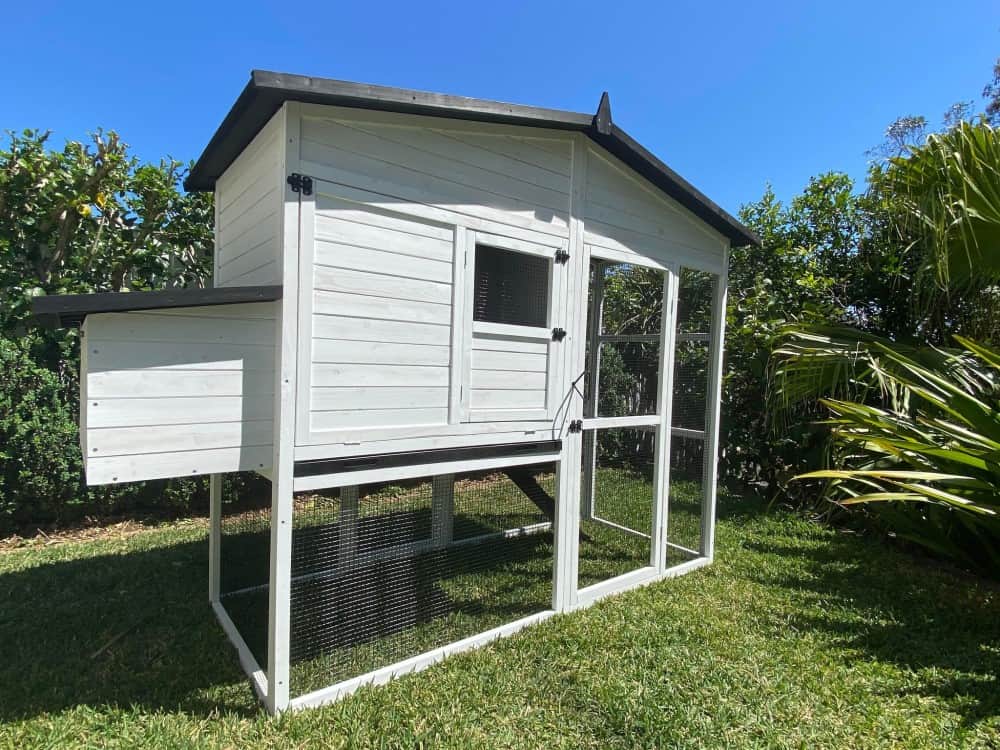
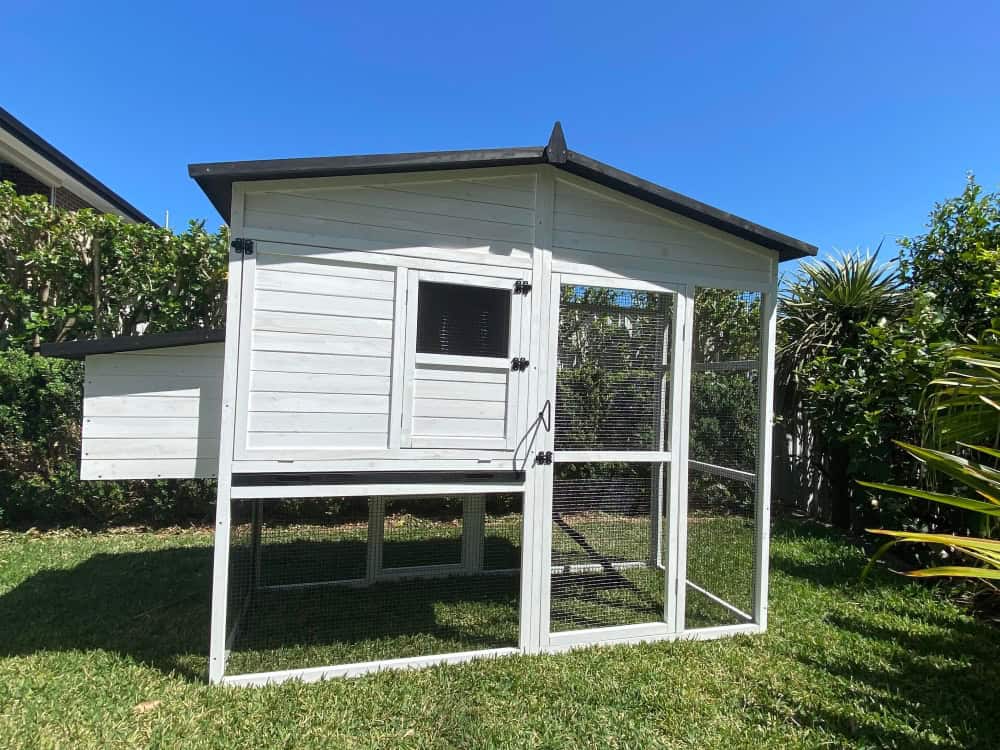
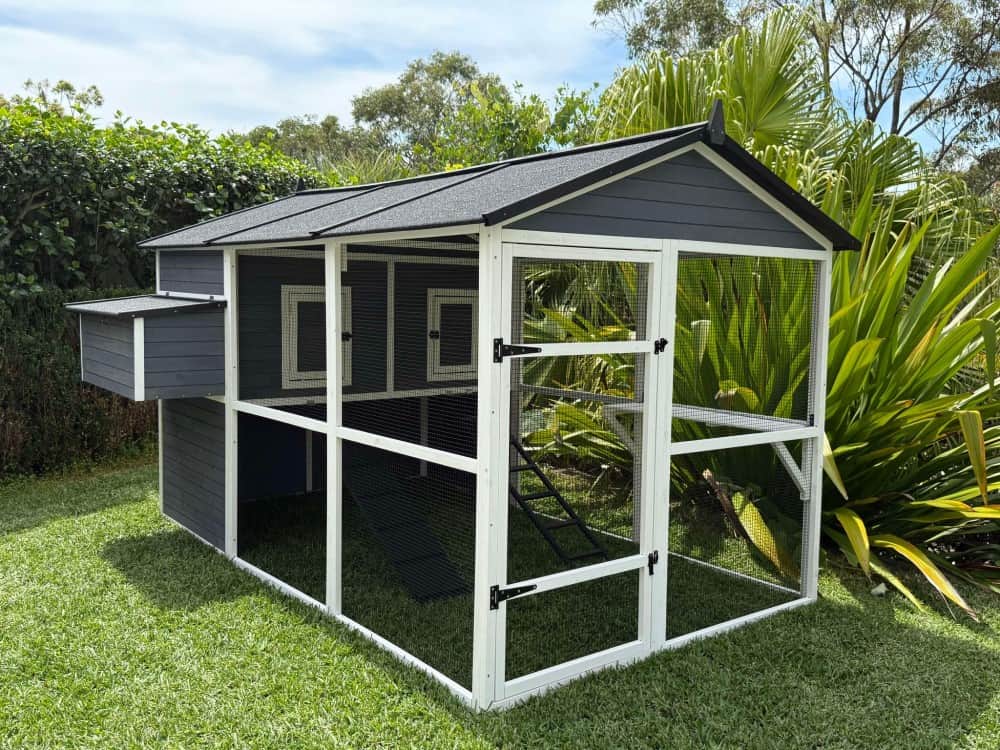
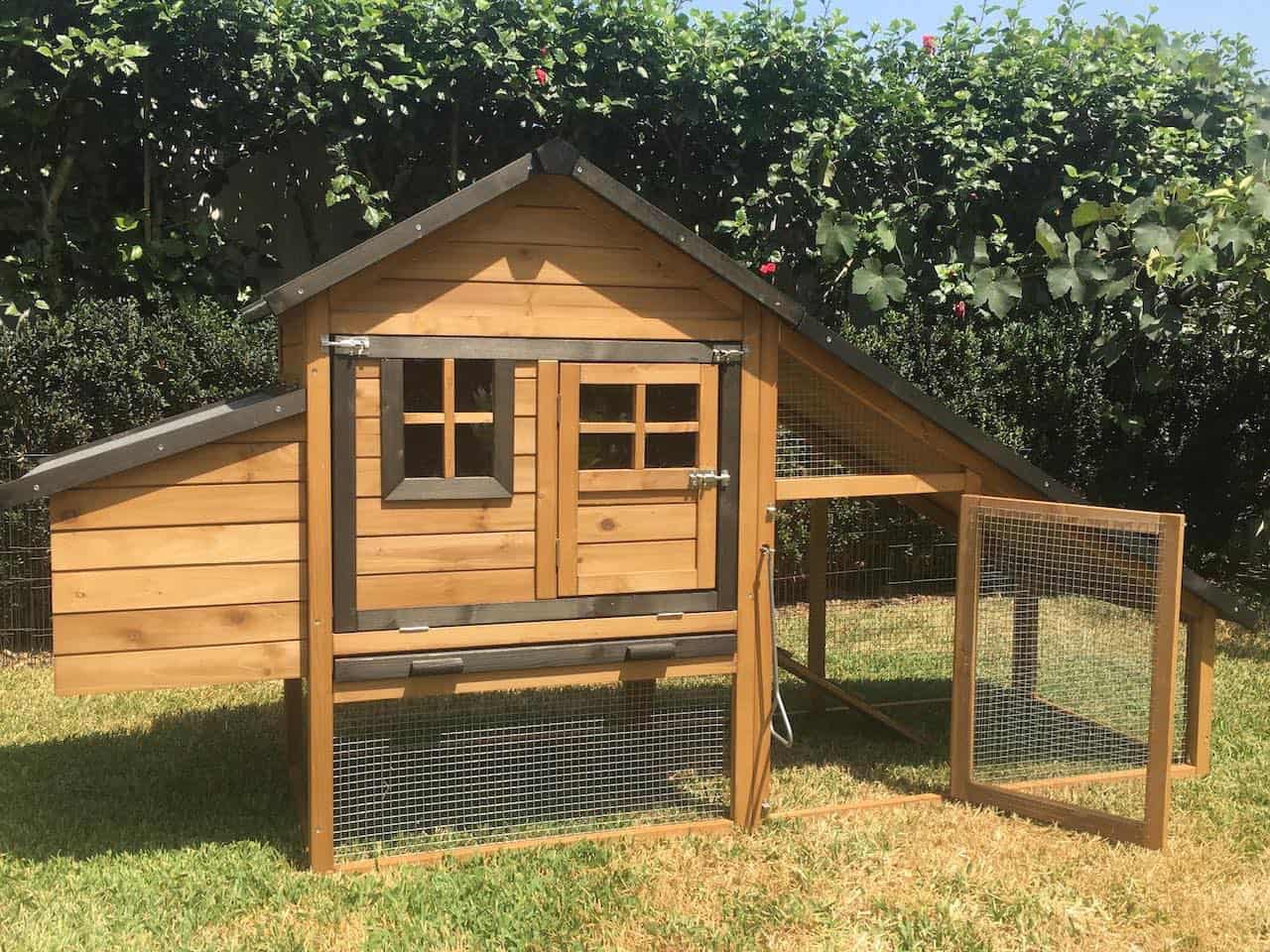
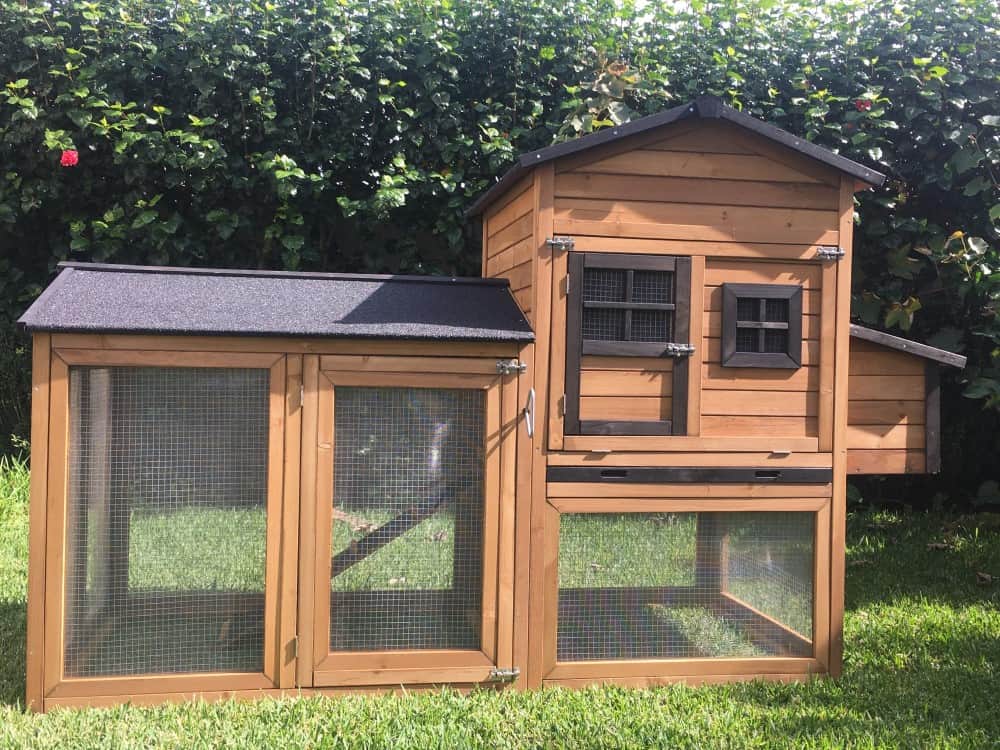
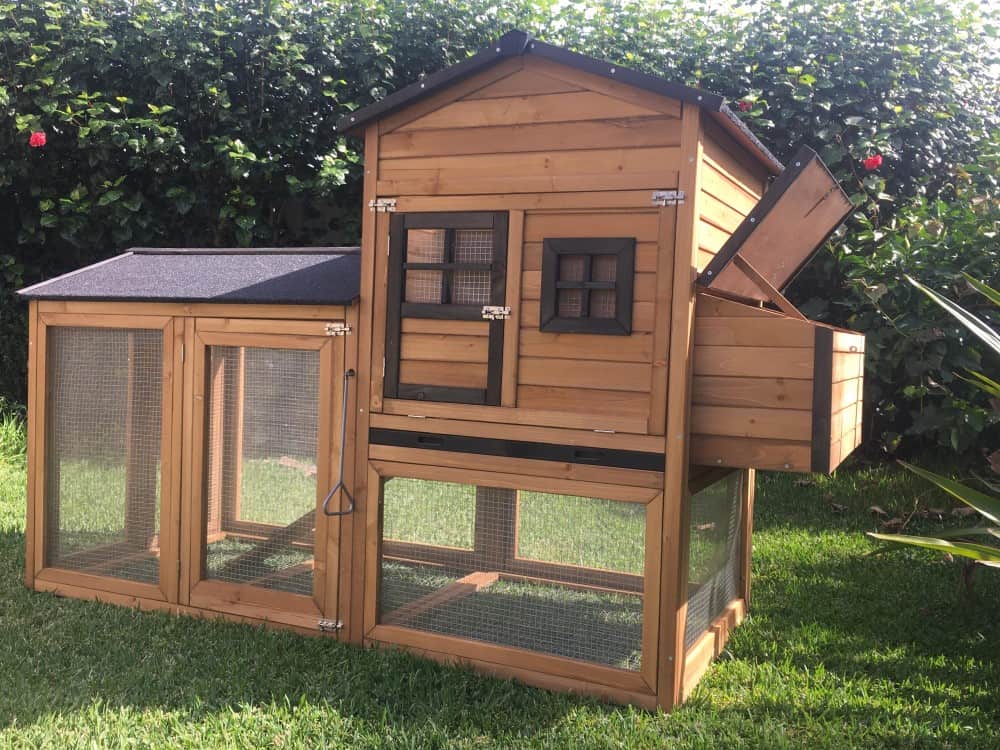
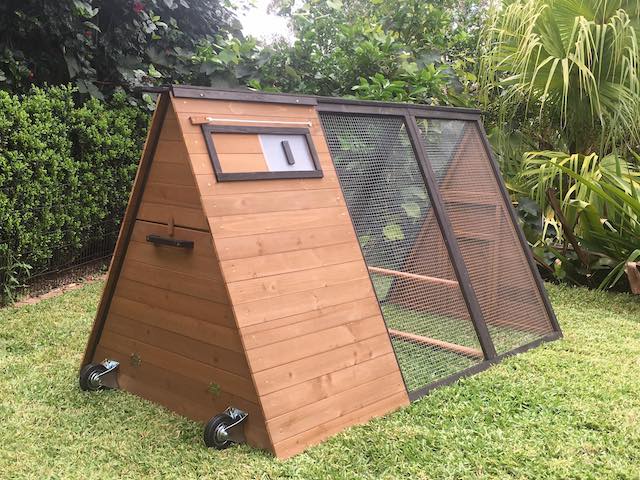
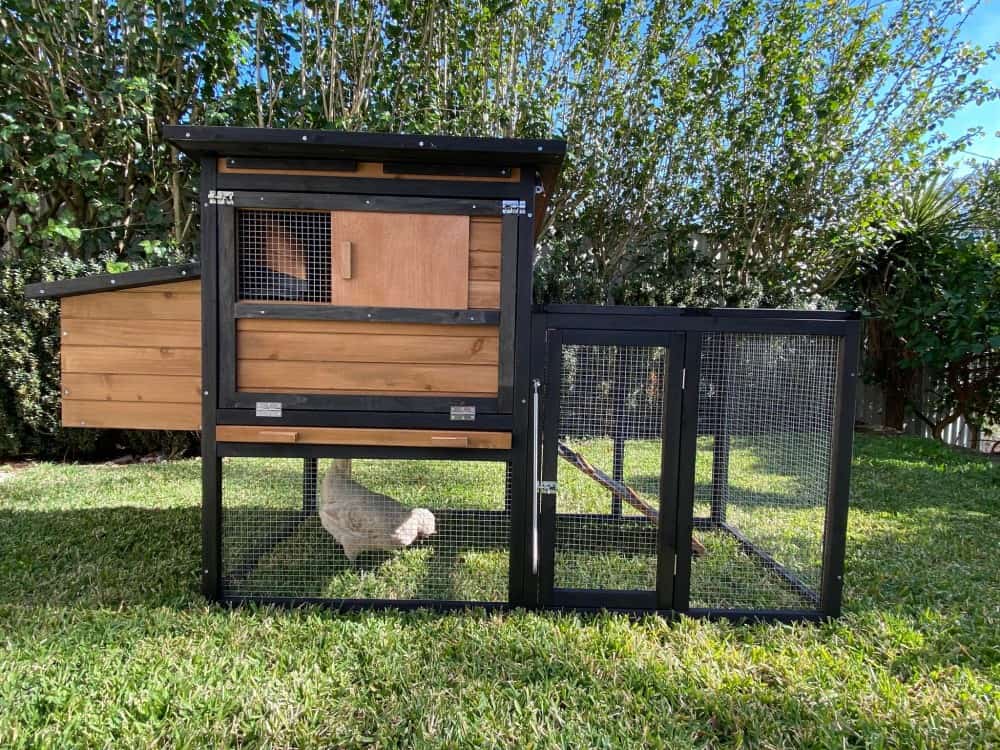
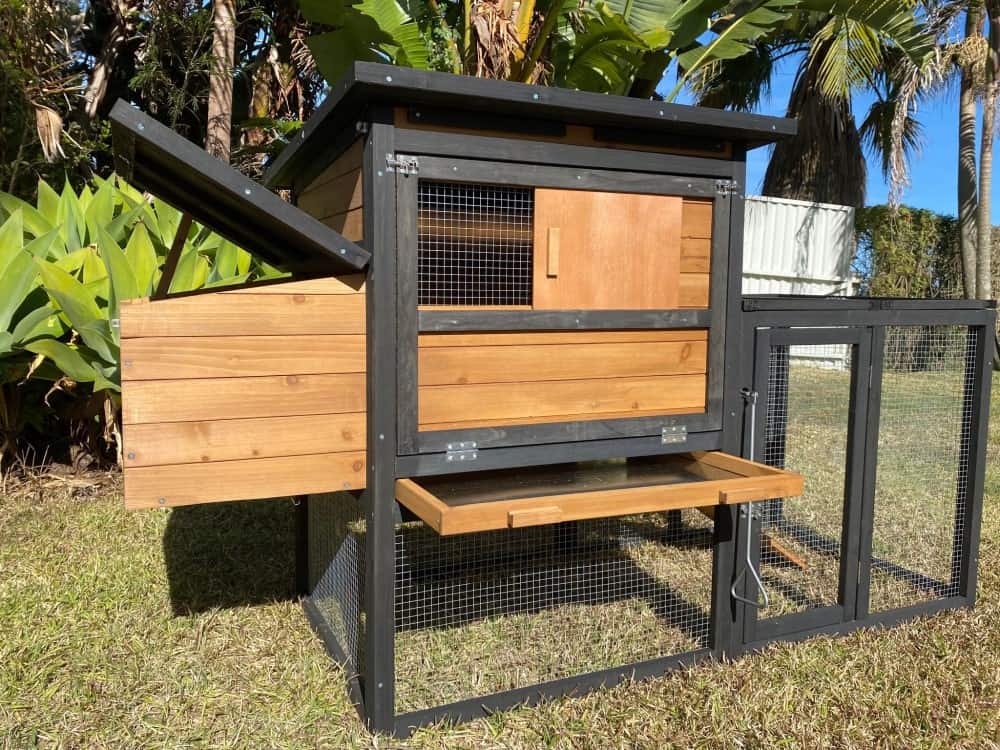
A well-designed chicken coop gives your hens a safe, warm and comfortable environment. Exactly what they need to feel secure enough to lay eggs! Hens instinctively avoid laying in areas where they feel threatened, so providing a protected and cosy space encourages regular egg production while keeping them happy and healthy.
All Somerzby coops are built with sturdy timber, waterproof roofs and fox-proof wire, giving your hens the security they need. Each coop also features thoughtfully designed nesting boxes with side-mounted lids. These boxes are the perfect size for hens to lay comfortably, and the easy-access lids make collecting eggs simple for you.
With the right housing, your hens will feel at home, safe and ready to lay their best.
FAQ
What are the common problems with chickens that stop laying eggs?
Common issues leading to hens stopping egg production include stress, poor nutrition, and inadequate daylight hours. Health problems like parasites, moulting, or diseases can also impede laying. Environmental factors, such as noise, presence of predators, or overcrowding, can contribute to a decrease in egg production.
What should I feed my chickens to improve egg quality?
To improve egg quality, provide a balanced diet rich in calcium and protein. Transition your hens to a layer feed once they begin laying, which is formulated with these nutrients to support strong eggshells. Additionally, consider supplements like oyster shell grit and treats rich in protein, such as mealworms.
How can I create a stress-free environment for my hens?
Create a stress-free environment by maintaining a clean and spacious coop, ensuring good ventilation, and reducing noise and disturbance. Provide safe outdoor runs for exercise and social interaction and ensure predators are kept at bay. Consistent routines and adequate daylight can also help keep your hens calm and productive.
What are the best chicken breeds for egg production?
High egg production breeds include the Isa Brown, Leghorn, and Australorp, known for their prolific laying capabilities. These breeds typically start laying eggs from around 18–20 weeks and can produce between 250–300 eggs annually. The choice of breed should also consider adaptability to your local climate and coop environment
How do I know if my hen is sick or just not laying?
If your hen is not laying but otherwise appears active and healthy, it might be related to natural pauses like moulting or seasonal daylight changes. Signs of illness, on the other hand, include lethargy, reduced appetite, abnormal droppings, and physical symptoms such as coughing or swollen joints. Consult a veterinarian if illness is suspected.
Toni’s Wrap
Keeping hens is such a fun and rewarding experience, and understanding how they lay eggs helps you support them better. Most hens start laying between 18–22 weeks of age, though this can vary by breed and individual. On average, it takes around 24 hours for a hen to form an egg, but she only spends 10–30 minutes in the nest preparing and about two minutes actually laying it. By understanding the egg laying process, you can make your flock feel safe and become happy, productive egg layers.
Related Blogs