


Oct
 ChatGPT
 Claude
 Perplexity
 Grok
Grok
 Google AI
 You
You
 WhatsApp
 LinkedIn
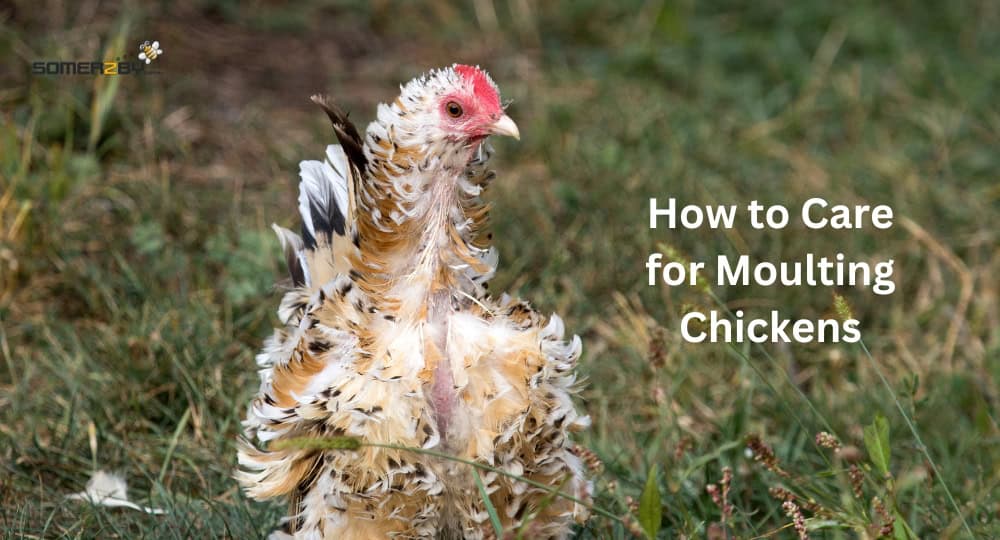
Seeing your chickens suddenly lose feathers can be worrying, especially if you’re unsure whether they’re unwell or just moulting. Moulting is a normal but sometimes shocking part of keeping chickens, where they shed old feathers to grow new ones.
Understanding what’s happening helps reduce unnecessary stress and ensures your feathered friends stay healthy and comfortable. In this guide, we’ll explain what moulting is, why it happens and how you can best support your flock.
Key Takeaways
- Moulting is the natural process where chickens shed old feathers and grow new ones annually to stay healthy and insulated.
- During moulting, hens temporarily stop laying eggs because their bodies are using energy and protein to grow healthy new feathers.
- Chickens usually moult once a year in late summer to early autumn when daylight hours shorten.
- Support moulting hens by providing a higher protein feed, minimising handling and keeping stress low.
Why Do Chickens Moult?
Moulting is a natural process where chickens shed their old feathers to make way for new ones. It’s how they replace any worn or dirty feathers so their coat stays clean, healthy, and well-insulated for the colder months ahead.
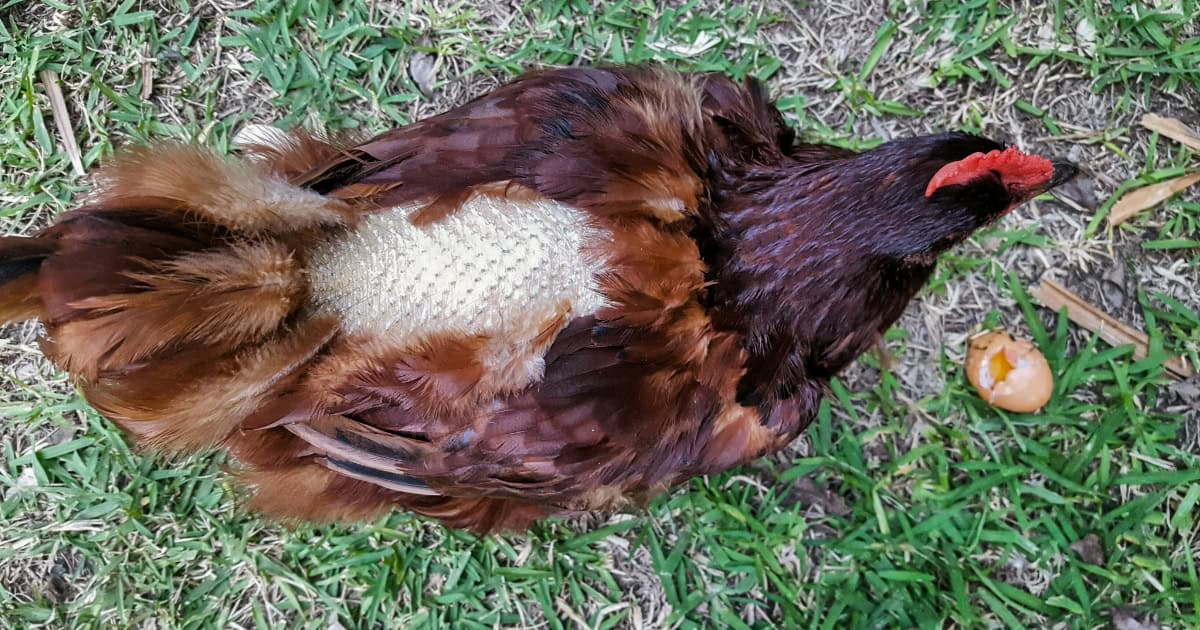
Some chickens gradually lose their feathers, while others seem to drop them all at once, sometimes leaving surprising bald patches. It can look alarming if you’re not expecting it, but don’t worry. Moulting is completely normal and happens to all chickens.
The process usually begins at the head and moves down the body toward the tail. Within 2–8 weeks, new feathers (called pin feathers) start to appear. These look like tiny straws with sharp tips before they open into soft, fluffy plumage.
Chicken keepers will know their hens are moulting if they find loose feathers around the coop or if they notice signs such as:
- Bald patches
- Dull or pale combs
- Moodiness or irritability
- Walking strangely (new pin feathers can be uncomfortable)
- A temporary pause in the egg laying cycle
Both hens and roosters moult, and it’s worth noting that roosters are usually infertile during this time.
Does Moulting Impact Egg Production?
Yes, most hens will temporarily stop laying eggs during moulting. That’s because their bodies are prioritising feather growth, using energy and protein that would normally go into producing eggs.
The pause in egg laying can last anywhere from 2 weeks to 3 months, depending on the hen. Once her new feathers have fully grown in, she will start laying again.
Offering your moulting chickens an extra protein boost in their diet can support new feather growth and may help the process finish a bit sooner, but it won’t speed up egg laying significantly.
This break in egg production is completely normal and actually gives your hen’s reproductive system a much-needed rest, helping her maintain protein levels and stay healthy for the long term.
When Do Chickens Moult?
If you own backyard chickens, moulting will become a regular occurrence.
Seasonal Changes
Most chickens moult once a year, usually in late summer or early autumn. As cold weather sets in and daylight hours get shorter, their bodies naturally know it’s time to shed old feathers and grow new ones. Changes in artificial lighting can also sometimes trigger a moult.
Age
Young chickens go through several soft moults between 1 and 22 weeks of age. Usually, there are three partial moults plus one complete moult where they lose their baby fluff. Around 18 months old, hens experience their first major adult moult, shedding all their adult feathers for the first time.
Supporting Chickens During Moulting
It can be tempting to wish you could speed up a moult or keep your hens laying eggs, but moulting is a natural and essential process. Hens need this time to regrow feathers and give their reproductive system a break. Accepting this helps you focus on keeping your flock healthy and happy while managing expectations around egg production.
Focus on Diet and Nutrition
Feather regrowth requires plenty of protein. After all, feathers are about 85% keratin, which is a protein! Support your flock by providing a layer feed with around 18% protein.
You can also offer high protein treats like sunflower seeds, peas, soybeans, or mealworms. Allowing your hens to free-range is another great way for them to find extra protein from bugs and worms in the garden.
Try to limit low-protein treats such as corn, as your chickens may fill up on these and miss out on the nutrients they really need during moulting.
Minimise Handling
As new feathers start to grow, they emerge as pin feathers (stiff little shafts with sharp tips). These can be itchy, sensitive and uncomfortable for your hens.
For a few weeks, it’s best to handle your chickens as little as possible. Only pick them up when necessary and avoid touching the pin feathers. You might worry that a balding hen is cold, but don’t put her in a jumper. This can irritate the pin feathers and cause her pain.
Some flock members may also be a bit grumpier than usual while moulting, so give them space and patience during this time.
Minimise Stress
Moulting is hard work for chickens! Their bodies are using a lot of energy to grow new feathers. Stress during this time can slow down feather regrowth, cause extra physical strain or even weaken their immune system.
You can help support your flock and keep stress to a minimum by:
- Avoiding sudden changes in routine, feeding or care
- Not introducing new birds to the flock
- Keeping predators away from the coop
- Minimising loud noises from pets or children
- Maintaining a clean and comfortable coop
It’s also important to watch that hens aren’t pecking at each other’s pin feathers. If you notice injuries, separate the affected chickens temporarily and provide extra space or distractions to reduce pecking.
FAQ
How long does a chicken moult last?
Most moults last 2–8 weeks, depending on the hen’s age, breed and health. During this time, egg production usually slows or stops.
What time of year do chickens moult in Australia?
In Australia, chickens usually moult between February and April, as daylight hours start to shorten. Chickens under 18 months old may also have smaller, partial moults at other times throughout the year.
How do you tell if a chicken is moulting or has mites?
You can tell a chicken is moulting if feathers fall out gradually, new pin feathers appear and the hen stays active. If feather loss comes with irritated skin, constant scratching or visible insects, it’s more likely mites.
Toni’s Wrap
Moulting is a natural process that all chickens go through, causing temporary feather loss as old feathers are replaced through feather growth.
Supporting your flock with a chicken feed that provides enough protein is essential to encourage healthy feather production and maintain healthy chickens throughout the moult. Minimising handling and keeping stress low also helps your hens stay comfortable while their bodies focus on regrowing feathers.
By understanding moulting and providing a nutritious chicken’s diet, you can help your feathered friends get through this period safely, keeping them healthy, happy, and thriving.
Related Blogs