


Sep
 ChatGPT
 Claude
 Perplexity
 Grok
Grok
 Google AI
 You
You
 WhatsApp
 LinkedIn
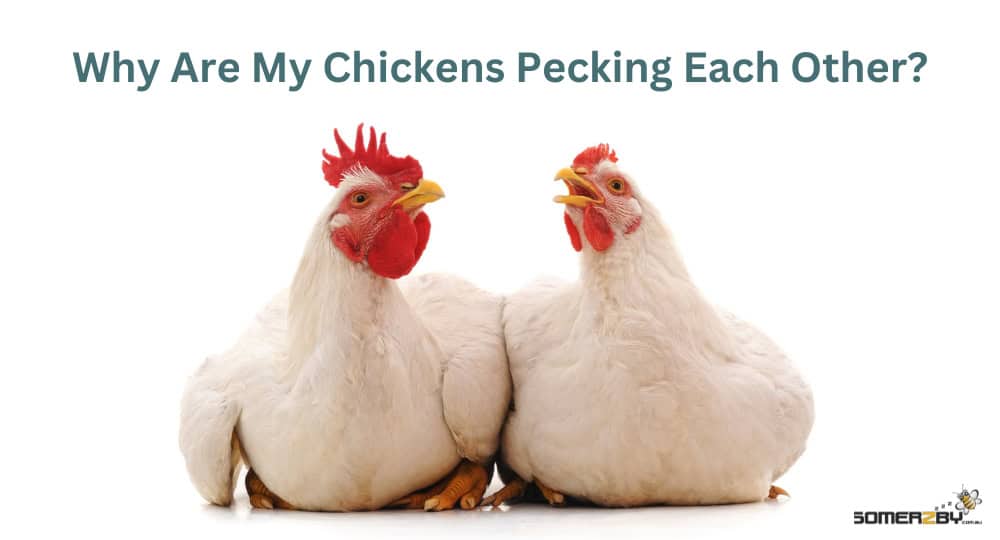
If your chickens are pecking each other, you’re not alone! This is a common issue that can worry even experienced backyard chicken owners. Often, pecking is harmless and part of their natural instincts, but if it turns aggressive or causes injuries, it needs attention.
In this blog, we’ll explain why chickens peck each other, how to tell normal pecking from harmful behaviour, and practical solutions to stop it. By the end, you’ll feel confident in understanding the causes and managing pecking effectively within your backyard flock.
Key Takeaways
- Let your chickens naturally sort out their pecking order, as this helps reduce fighting and keeps the flock more settled.
- Minimise environmental stress by providing adequate space, proper ventilation, and climate control to prevent overcrowding and irritation.
- Address nutritional deficiencies in protein, amino acids, and minerals to stop chickens from seeking nutrients through pecking.
- Reduce boredom and competition by providing mental stimulation and ensuring ample access to food, water, and roosting areas.
- Manage external parasites like mites and lice through regular health checks to prevent redirected aggression caused by physical discomfort.
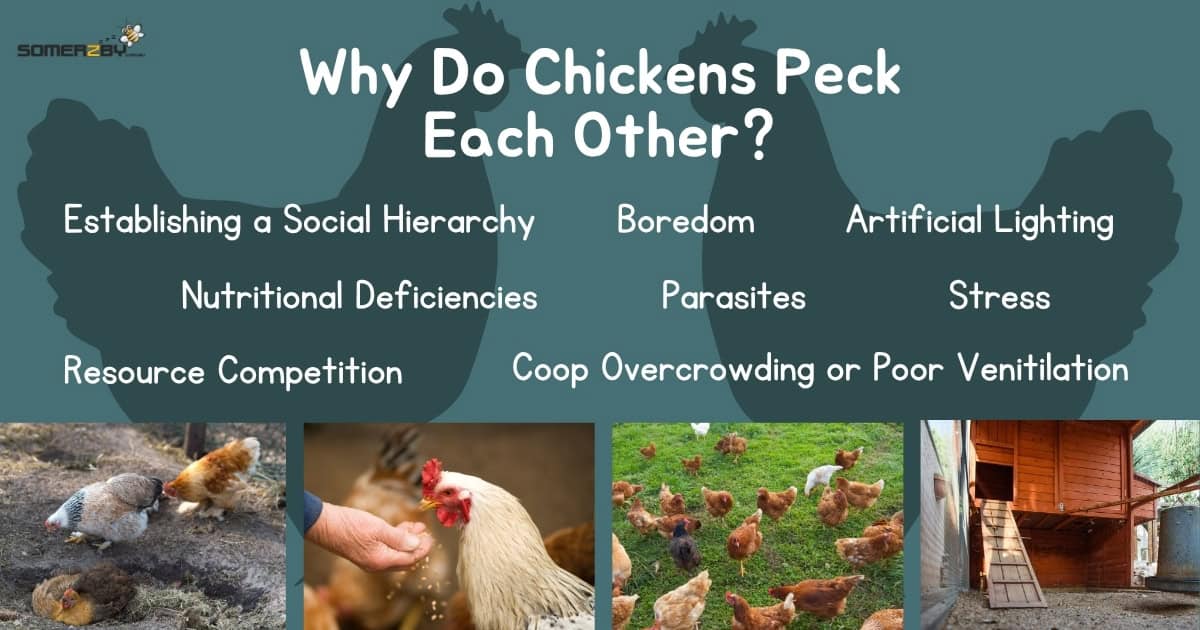
Common Reasons Chickens Peck Each Other
Chickens peck each other for a variety of reasons, most of which stem from their natural instincts and social behaviours within the flock.
Establishing Pecking Order
The most common reason chickens peck each other is to establish dominance, which is where the term “pecking order” comes from. In a flock, dominant chickens will peck at those lower in rank to reinforce their position. While it may seem harsh for backyard hens, this behaviour is instinctual. In the wild, stronger birds lead the group to secure better access to food and resources, and help remove weaker or sick members that could compromise the entire flock’s health.
This natural process of setting a social hierarchy is usually harmless, but can become a concern if it turns aggressive or is persistent.
Chickens are more likely to be lower in the pecking order if they are:
- Younger
- Smaller
- Weaker
- Introduced to the flock later
- Sick or appear unwell to other chickens
Boredom
Another common reason chickens peck each other is boredom. Hens are naturally inquisitive, so when they lack enrichment or opportunities to forage, they may peck at each other simply for mental stimulation. Boredom can also lead to frustration, which may escalate into aggressive behaviour within the flock.
Chickens are more likely to become bored if they are confined to their chicken coop full-time, as they have no alternative places to explore, forage and interact with new objects. The longer they spend in their coop each day, the more important it is to provide birds with interactive items and enrichment to keep them engaged.
Overcrowding and Limited Space
If your chickens are confined to a coop that is too small, they are more likely to become stressed, which can lead to aggression and pecking within the flock.
In overcrowded conditions, bigger birds may instinctively target weaker flock members. This behaviour comes from their natural survival instincts. When space and resources are limited, they peck at weaker hens to reduce competition and ensure enough food, water and room for the rest of the flock.
Stress and Environmental Factors
When laying hens become stressed or frustrated, they are more likely to become aggressive and injure one another. Unfortunately, as most seasoned chicken keepers know, hens are very sensitive and can easily become stressed by environmental factors, including:
- High temperatures
- Poor ventilation in the chicken coop
- Excessive artificial light
- Loud noises
- Other pets or wild birds
Nutritional Deficiencies
Poor nutrition is a common cause of pecking in backyard chickens. Diets low in protein, essential amino acids (like methionine), sodium or calcium can leave hens craving nutrients they aren’t getting from their feed. This often drives them to peck at and eat feathers as a substitute, which can lead to injuries and develop into a harmful habit within the flock.
Parasites
External parasites such as mites, lice and fleas can deeply irritate hens. These blood‑feeding pests cause intense itching and discomfort, which can trigger redirected aggression. Stressed birds may peck at their flockmates out of irritation, leading to injuries.
Some mites, such as red chicken mites, can cause feather loss. Check your flock carefully to determine if bald spots are from pecking or directly caused by mites.
Resource Competition
Chickens may peck each other when resources are limited, such as insufficient food, water or roosting space. Pecking is often used to drive others away and secure access for themselves or preferred flock members.
They may also peck out of frustration if wild birds or rodents are stealing their feed, creating stress over whether there will be enough left for the flock.
When Does Pecking Become a Problem?
While seeing your chickens peck each other can be shocking, it is not always a cause for concern. Learn to tell the difference between normal pecking and aggression…
|
Normal Pecking Behaviour |
Aggressive Pecking Behaviour |
|
Pecking is brief and spaced out |
Pecking is repetitive, persistent and escalates over time |
|
Pecking is to non-sensitive areas (feathers on the body) |
Pecking is to sensitive areas (head, eyes, around the tail, existing wounds) |
|
Lower hens submit quickly |
Victims are pinned down, cannot escape or appear distressed |
|
No serious injury is caused |
Serious injury or bleeding is caused |
|
Pulled-out feathers have time to grow back |
Pulled out feathers do not have a chance to grow back |
|
Pecking is targeted at different hens |
Pecking is always targeted at the same hen |
Normal Pecking Behaviour in Chickens
Pecking is a common way that chickens determine the social structure within their flock. Stronger hens will peck weak or new hens to show dominance, establishing the hierarchy. Hens further up in this “pecking order” will get first access to food and water, better roosting spots and priority to mating with roosters.
This pecking helps hens communicate. It is more commonly seen in new flocks with younger hens, and often settles down after a few months once the pecking order is established.
Features of normal pecking:
- Pecking is brief and spaced out
- Pecking is to non-sensitive areas (feathers on the body)
- Lower hens submit quickly
- No serious injury is caused
- Pulled-out feathers have time to grow back
- Pecking is not always targeted at the same hen
Aggressive Pecking Behaviour in Chicken
Aggressive pecking goes beyond communication and aims to injure other birds. This pecking is a concern if it becomes too violent, as there is a risk that it can lead to serious injury or death.
Signs of aggressive pecking include:
- Pecking is repetitive, persistent and escalates over time
- Pecking is to sensitive areas (head, eyes, around the tail, existing wounds)
- Victims are pinned down, cannot escape and appear distressed
- Serious injury or bleeding is caused
- Pulled-out feathers do not have a chance to grow back
- Pecking is always targeted at the same hen
How to Prevent and Stop Harmful Pecking
If your backyard chickens are pecking in a normal, healthy way, then no action is needed. It is best to let them sort out their pecking order on their own and not intervene!
However, if your chickens start pecking aggressively and violently, you need to intervene to prevent injury or death.
Separating Chickens
One effective solution is to separate the birds involved. While many chicken owners are hesitant to divide their flock, this step is temporary and often necessary to resolve pecking issues.
You can isolate a chicken in a smaller coop or a large crate placed near the main coop. This allows the birds to see each other without physical contact, helping restore the pecking order when they are reunited.
Which chicken you choose to remove will depend on the situation:
Isolating the Victim
If several chickens are consistently targeting one hen, it is best to isolate the victim. This protects her from serious injury and gives her time to heal and regrow feathers in a safe environment.
Reintroducing her to the flock can be challenging. Supervise closely during reintegration, and if aggressive behaviour continues, she may need to be separated long-term for her safety.
Isolating the Aggressor
If one hen is repeatedly attacking others, it is best to isolate the aggressor. Removing her for a few days can disrupt her dominance and help reset the pecking order.
After reintroduction, monitor closely to ensure the behaviour does not return.
Keeping Flock Uniformity
House chickens that are similar in age, size and breed together. This reduces the chance of any being seen as “weaker” and targeted by the boss hens.
Once your flock is established, avoid introducing new chickens later, as newcomers are often attacked. Smaller flocks also have reduced competition and help maintain a stable pecking order.
Providing Adequate Space for Your Flock
Ensuring flock mates have enough space can help reduce stress and prevent pecking. Extra room also allows weaker hens to move away from more dominant birds.
Assess the indoor areas, such as roosting and nesting spaces, and the outdoor run where they spend their day. Keep roosting poles at the same height as chickens sitting higher up may begin to feel superior.
You can increase space by upgrading to a larger coop, adding an extension run to your existing coop, or giving your chickens more free-range time in your yard during the day.
Our minimum spacing recommendations are:
- 1 square metre of run space per chicken during the day
- 30cm of roosting pole per chicken overnight
- 1 nesting box for every 3 hens. Each nesting box should be 30cm cubed.
Introducing Environmental Enrichment
Providing your chickens with fun experiences helps reduce stress, keeps their minds busy and distracts them from pecking. Flock boredom busters include:
- Hanging fruit or vegetables for them to peck at
- Allowing them to explore new areas of your yard
- Scattering dried treats for them to forage and scratch for
- Providing dust bathing areas
- Adding perches, sturdy branches, platforms and chicken swings
Maintain Proper Nutrition
Improving your chickens’ diet is an effective way to prevent feather pecking. Provide nutrients with a balanced layer feed, whole grains, oyster shell for calcium, and kitchen scraps to add variety. Ensure they receive enough protein, essential amino acids, and minerals like sodium, either through quality feed or supplements.
Use an automatic treadle feeder to prevent wild birds or rodents from stealing food, ensuring your flock always has consistent access to their diet.
Reduce Environmental Stress
Minimising stress in your flock is key to reducing aggression. Ensure your chickens have consistent access to essential resources such as food, water and sufficient space.
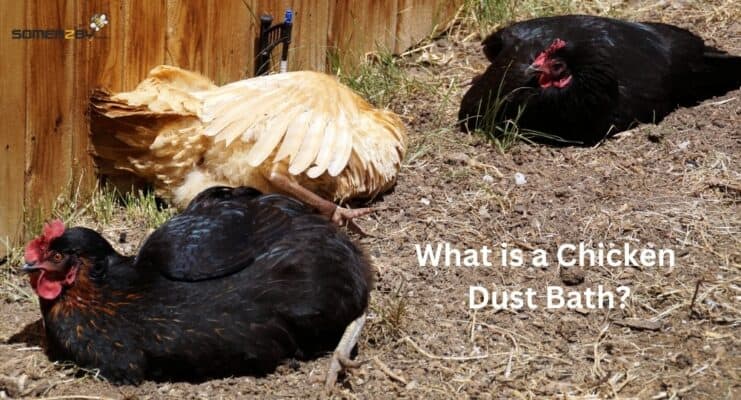
Provide a dust bathing area by filling a shallow hole with an equal blend of natural soil, sand and wood ash. Dust bathing is not only for keeping chickens happy and clean, but also for helping prevent external parasites.
Add diatomaceous earth to the coop to control parasites naturally, and avoid sudden changes in routine that can unsettle your birds.
Finally, maintain good ventilation and limit artificial lighting to create a comfortable, stress-free environment. Inspect things regularly to ensure there are no issues within the coop.
Using Visual Barriers or Dividers
Creating safe spaces where smaller chickens can escape from more dominant birds helps prevent harmful pecking. You can add simple visual barriers inside the run (such as partitions, panels or low walls) to break the line of sight and provide sanctuary areas for vulnerable hens.
Another effective tool is chicken blinders (also known as chicken glasses) placed on the aggressor. These restrict the bird’s forward vision, making it harder to focus on and target specific flockmates. After wearing them for one to two weeks, the goal is to reset the aggressive behaviour. Always supervise closely when the blinders are removed to ensure the aggression does not return.
Although using blinders might feel unfair to the aggressor, it may be a necessary measure to protect the weaker bird from injury.
Apply an Anti-Peck Treatment
If an aggressive hen repeatedly targets the same area or creates a bald spot, apply an anti-peck ointment or spray onto the injured chicken. Its unpleasant taste discourages further pecking.
For wounds, use first-aid treatments that promote healing and deter pecking. Options include Vaseline, Bepanthen nappy cream, or specialised antiseptics for chickens available at rural farm supply stores.
FAQ
Is pecking always a bad sign?
Pecking is a natural behaviour driven by chickens’ instincts to establish social order and communicate. Normally, it’s harmless.
But when pecking becomes frequent or aggressive, it needs to be addressed. Monitoring your flock helps distinguish normal instincts from harmful behaviour.
Can pecking lead to serious injuries?
If pecking becomes aggressive, it can cause feather loss, skin wounds, bleeding and even death. Intervene then necessary to protect your weaker hens.
How can I tell if my chickens are getting the right nutrition to prevent aggressive behaviour?
Digestive health is closely linked to behaviour, and nutrient deficiencies can contribute to aggression. Feed your chickens a balanced diet, include appropriate supplements and offer varied scraps.
Watch for signs like poor feather condition, reduced egg production or changes in behaviour, and consult your vet for tailored nutritional advice.
How long does it take for chickens to stop pecking?
This depends on the cause. Separation from other chickens typically helps after 1–2 weeks apart. Nutritional improvements may take 2–4 weeks to show results. Increasing space, adding enrichment, reducing stress or applying anti-peck treatments can lead to noticeable improvements within a few days.
Toni’s Wrap
Pecking is common in pet chickens and is usually harmless. But when it becomes aggressive or causes injury, it needs to be addressed.
In this blog, we explored the natural reasons chickens peck, including establishing a social hierarchy, as well as factors like overcrowding and poor nutrition. We also outlined how to spot harmful pecking and shared practical solutions, from improving their diet to upgrading to a larger chicken coop to reduce stress.
By understanding the causes and taking action, you can reduce aggression, restore harmony, and ensure a safe, healthy environment for your backyard flock.
Related Blogs