
Aug
 ChatGPT
 Claude
 Perplexity
 Grok
Grok
 Google AI
 You
You
 WhatsApp
 LinkedIn
Does your dog eat its own poo? You’re not alone! While it’s unpleasant, it’s also surprisingly common. Many dog owners feel embarrassed, frustrated or even ashamed when their pup picks up this habit.
In this blog, we’ll explore why some dogs eat poop and, most importantly, what you can do to stop it. We’ll cover possible causes and practical strategies to manage or prevent this behaviour.
Warning: This blog is not for those with sensitive stomachs!
Key Takeaways
- Investigate potential medical causes such as intestinal parasites, dietary deficiencies, or conditions like diabetes, thyroid disease, and Cushing’s disease.
- Address behavioural triggers including boredom, anxiety, and stress, or the habit of copying other dogs in multi-dog households.
- Ensure the dog’s diet is easily digestible and high quality to prevent attraction to undigested food particles remaining in the stool.
- Rule out environmental factors like the fear of punishment for accidents or a way to seek owner attention.
- Recognise that this behaviour, known as coprophagia, is relatively common, affecting approximately 23% of dogs at least once.
What is Coprophagia?
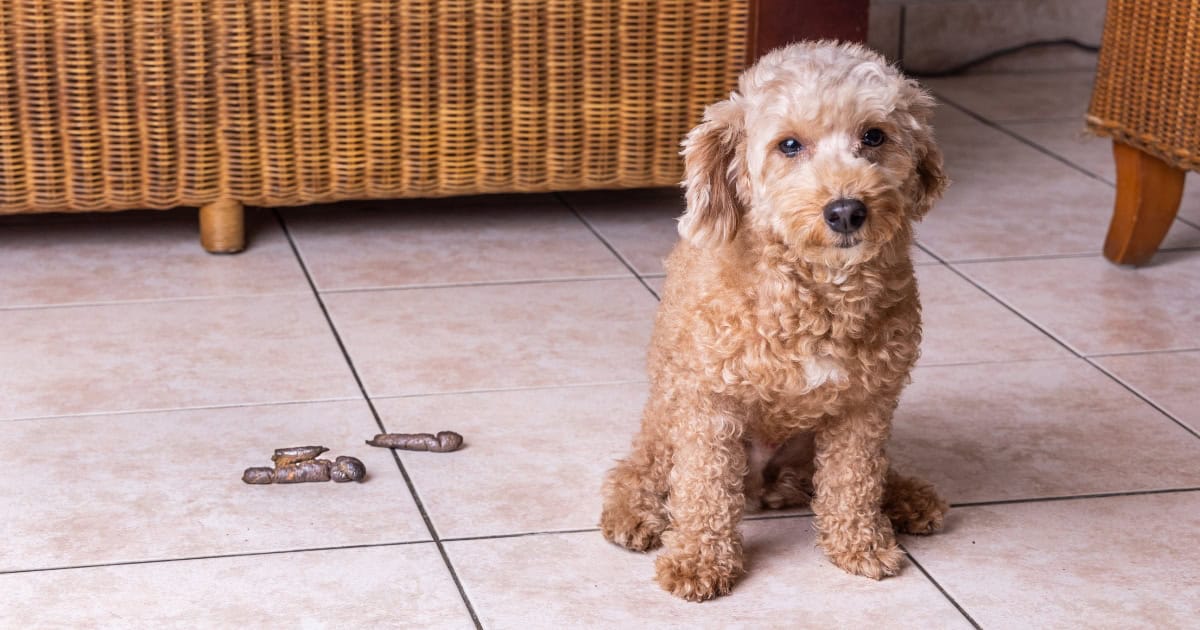
When an animal eats faeces it is called coprophagia. This can be eating their own poop (autocoprophagia) or eating another animal’s poop (allocoprophagia).
In dogs, autocoprophagia typically occurs in your own yard or while walking your dog. Allocoprophagia commonly involves your dog eating the poop of other pets in your home or area, such as eating cat poo or horse manure.
Is Coprophagia Harmful to my Dog?
Generally, dogs eating their own poop isn’t harmful. But eating the poop of other animals can put your dog at risk of parasites and bacteria. Plus, if the animal is undergoing a worming treatment, this could be toxic for your dog to consume.
How Common is Coprophagia?
Eating poop is more common than most dog owners want to admit!
A study from the University of California found that 23% of dogs eat dog poop at least once and 16% of dogs eat dog poop regularly (whether it be their own poop or that of another dog). The study found no correlation between a dog’s age and the likelihood of coprophagy.
Potential Causes of Coprophagia
Some reasons behind coprophagia are natural while others can be a sign of a bigger issue that needs to be addressed.
Medical Causes of Dogs Eating Poop
Nutritional Deficiencies
Some people believe a dog’s diet is more likely to lead them to eat its own poop if it is deficient in Vitamin B, digestive enzymes or fibre. This could be caused by a dog not eating enough food or eating food that has insufficient nutrients. This could also occur if your dog has a health problem that makes it difficult for them to absorb nutrients.
Underlying Medical Conditions
Dogs are more prone to coprophagy if they are experiencing:
- Intestinal parasites (eg. roundworm, hookworm, giardia)
- Cushing’s disease
- Diabetes
- Thyroid disease
- Dementia
- Any illness that changes the texture or smell of their poop
- Taking steroid medications
Behavioural and Psychological Causes
Undigested Food
Your dog may be eating poop simply because poop has undigested food in it and dogs have a great sense of smell and are able to smell the food inside. They are not bothered by the smell of poop like we are and are able to look past it to smell the undigested food they want to eat.
Some owners report their dogs are more likely to eat their poop when they are fed foods the dogs prefer eating(such as wet food) or food that is difficult to digest and more likely to remain intact once pooped out (such as beans or corn).
Additionally, dog parents report that greedy eaters are more prone to coprophagia, likely because they are more motivated than other dogs to get to the undigested food inside.
Copying Other Dogs
Coprophagy is more likely to occur in multi-dog households. If one dog starts, it increases the chances of your other dogs copying and doing it too!
Mother dogs evolved (just like wolves) to eat their newborn puppy’s poo. This is instinctively to keep their area clean and prevent attracting predators. But if puppies see their mother do this, they sometimes copy and form a habit that can take time to break.
Anxiety or Boredom
If your dog is feeling stressed or lacking mental stimulation, it may eat poop as a way to keep itself occupied and relieve an uncomfortable feeling. This behaviour is especially common in dogs left alone for long periods or those not receiving enough exercise.
To Hide Their Accident
If you yell at your dog for pooping in the house or somewhere it shouldn’t, your dog may eat its poop as a way to hide the accident and avoid you finding out. This occurs in dogs that fear punishment or have had their noses pushed into their poo as a misguided training attempt. Never use negative reinforcement when toilet training your pup!
Seeking Attention from Dog Owner
Some dogs learn that if they eat poo they get a big reaction from their owner, even if it’s a negative one. Yelling or rushing over can unintentionally reinforce the habit by showing your dog that this action gets your attention. Over time, the dog may repeat the behaviour more often, seeing it as a reliable way to engage with you.
How To Stop My Dog From Eating Poop
Once autocoprophagia starts, it can take time and patience to correct. We recommend intervening as early as possible with the below helpful tips and being consistent with all training.
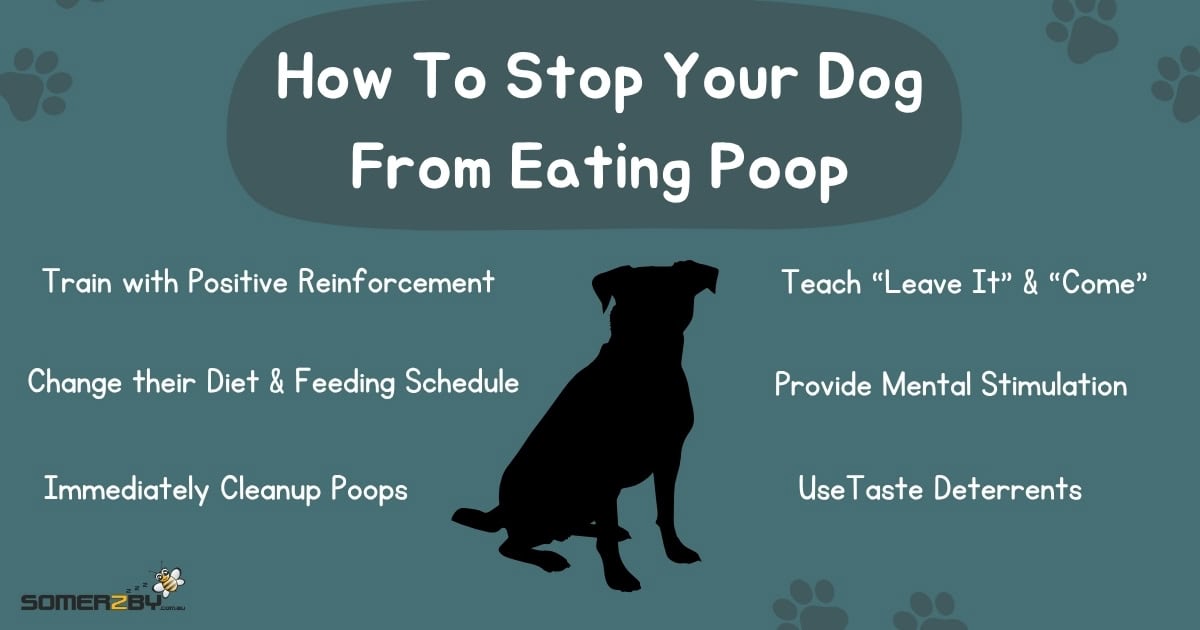
Training Commands “Leave It” and “Come”
Teach your dog the command “leave it” to leave something alone. When your dog goes near its poop, say “leave it” to stop them from going near the poop. It will then give you a chance to pick it up and throw it away before it is in your dog’s reach.
Also teach your dog the command “come” or to respond to their name being called. When they approach their poop, call your dog to you away from the poop.
Immediate Cleanup and Supervision
Supervise your dog when they poo then clean up all mess quickly so there is no temptation. If your dog eats their poop too quickly, take them outside on a leash to help control their behaviour.
If you have a pet cat too, empty your cat’s litter box as soon as they go to prevent your dog from going inside. This is effective but requires you to always be there when your dog poops, which is not always realistically possible.
Positive Reinforcement
When your dog leaves its poop alone, reward them with praise, pats and tasty treats.
Avoid punishing or yelling at your dog when they do the wrong thing. Negative reinforcement can actually have the opposite effect, causing your dog to want to hide its poop from you and eat it more often.
Provide Alternatives and Mental Stimulation
When your dog approaches poop, distract them with a high-value treat.
If your dog is doing this because of boredom, anxiety or attention, providing an activity can be a great way to divert unwanted behaviours. Offer your dog a challenging puzzle toy, provide chew toys, go for a long walk, or play a game of fetch or tug-of-war together.
Diet and Feeding Schedule
Try feeding your dog smaller meals more often (3 small meals per day rather than 1 large meal). This may help your dog feel less hungry, and minimise the chance of coprophagy.
You could also try changing your dog’s daily food. Some foods are not as easily digested, meaning there is more food leftover in their poop that your dog is tempted to sniff out. While it can be difficult to change your dog’s food, it is one of the most effective approaches.
Taste Deterrents
Add a small amount of pineapple, papaya or fig to your dog’s food. Most dogs will enjoy eating this the first time. However, they develop an unsavoury taste once digested and may deter your dog from consuming poop.
Some people also say putting hot sauce or pepper on their poop may teach your dog a lesson but we don’t recommend this. It can hurt your dog’s mouth, cause digestive upset and is simply not nice!
Feed Coprophagic Supplements
Giving your dog poop-eating deterrent supplements may discourage them. They contain digestive enzymes which help nutrient absorption. Many also contain taste aversives which make the poop taste bad, deterring them from trying, and breath fresheners, to reduce poop breath.
Unfortunately, enzyme supplements are expensive and often reported by our customers as ineffective.
When to Seek Professional Help for Poop Eating Behaviour
Book a visit with your local vet to discuss your dog’s poop eating problem if:
- It is happening regularly
- You’ve tried all our tips above and nothing works
- You’ve ruled out behavioural causes and worry it could be a medical issue
Your vet can complete a physical examination, stool testing for parasites and a diet evaluation to rule out any medical concerns.
If there is no medical reason behind their behaviour, ask your vet for a recommendation of an animal behaviouralist in your area. They will be able to assist in training your dog to stop this bad habit.
Before meeting with the animal behaviourist, keep a journal of when your dog does this and anything else that happens at the same time. For example, does your dog only do this shortly after eating? Or only when you are watching? Presenting this can help the trainer determine the cause and offer a solution faster.
FAQ
What nutrients are dogs lacking when they eat poop?
Many people believe dogs are more likely to eat poop if their diet is low in enzymes (which help break down food), fibre (which affects faecal consistency) or vitamin B (which promotes normal neurological function). However, there is little scientific evidence to prove diet is the cause of most coprophagy.
What dog breeds are prone to eating poop?
Breeds most likely to eat dog poo include:
- Labrador Retrievers
- Beagles
- Cocker Spaniels
- Shelties (Shetland Sheepdogs)
- Dachshunds
This may be because they are typically more food motivated and have stronger scavenging instincts.
How do I clean my dog’s mouth after eating poop?
Wipe around your dog’s mouth using a damp cloth. If they allow you, brush their teeth using a doggy toothbrush and doggy toothpaste. Praise your dog during the clean-up process to make it a positive experience for you both.
If your dog won’t allow you to clean their mouth, give them something to eat or water to drink to help rinse out their mouth. Dental sticks help too! Wash your hands once done.
Will my puppy outgrow eating poop?
Many puppies do outgrow eating their poo. But once it becomes a habit, it can be quite difficult to break! We recommend trying to train and deter your adult dog consistently to minimise this behaviour.
How do I determine if my dog’s coprophagia is caused by a health issue?
The only reliable way to rule out an underlying medical issue is to visit your local vet for a checkup.
Toni’s Wrap
If your dog eats poop, it doesn’t mean you’ve done anything wrong. Coprophagia is surprisingly common and usually harmless. It can stem from boredom, diet, anxiety or instinct. But with patience and the right approach, most dogs can unlearn the habit.
Try consistent training, quick clean-ups and talk to your vet if needed. With a little persistence, most dogs can unlearn this habit. And then you can get back to letting your dog lick your face during cuddle time!
Related Blogs